Featured Post

National Narrative Against Terrorism دہشت گردی کے خلاف قومی بیانیہ تاریخی فتویٰ ’’پیغام پاکستان‘‘

National Narrative Against Terrorism دہشت گردی کے خلاف قومی بیانیہ تاریخی فتویٰ ’’پیغام پاکستان‘‘ تمام مسالک ک...

Showing posts with label Extremism. Show all posts

Sunday, December 1, 2019

Politics of Religion & Extremism must be Avoided مولانا فضل الرحمٰن


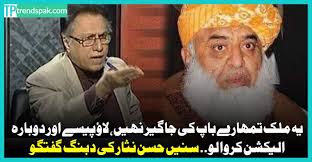
Molana Fazlur Rahman is power hungry crook,  opportunist and a greedy religious politician. [all these traits are normal among politicians but he has more of them].  He has been dreaming to be Prime Minister of Pakistan since long. He is ready to to go to any extent to fulfill this egocentric dream.
تاریخی طور پر علماء سیاست اور طاقت و حکمرانی میں عمل دخل سے اپنے آپ کو علیحدہ رکھتے تھے اور ان کی توجہ دین کی تعلیم و تبلیغ پر رہی- مگر آج کل پاکستان میں علماء سیاست میں داخل ہو کر تنقید کا نشانہ بنتے ہیں اور اپنےلیے دین اسلام کو ڈھال کے طور پر استمال کرتے ہیں.علماء کی ساکھ   (credibility) خراب ہوتی ہے، لوگ ان کی درست مذہبی باتوں پر بھی دھیان دینا چھوڑ دیتے ہیں، یہ اسلام کے ساتھ زیادتی ہے.... مزید آخر میں ......

The story of of his request to the US Ambassador to help him to become the Prime Minister is well known. He told earlier to “the powers to be”, to make him PM,  once reminded that due to his extremists and religious tilt he may not be acceptable to the international establishment particularly USA, he responded that, should he be given an opportunity, he will come up to the expectations of everyone including USA, would do whatever is expected. Once cautioned that his followers who had been listening to his anti American speeches would tear him apart.  Molana replied that it should be left to him, he knows how to handle those fools!
After 2018 elections Molana has been cut to size in politics, this is first time that he is out of power. It is difficult for him to reconcile with this reality. He is instrumental in in using main opposition parties to give tough time to the government and establishment. The two main political parties are finding it difficult to defend their leadership from corruption cases, hence its a mutually beneficial political arrangement. Molana is too pleased to be the coordinator opportunist. Use of religious card by Molana was not well received by main political parties especially PPP.
Molana is so desperate for power that, he is is mobilizing and using young Madrissa students for political gains. 
He is using religion as a tool to defame the PM and government. He is is falsely accusing the PM and the government to be Qadiani and pro Qadiani. This is a very serious allegation it should not be taken lightly as we know that religious motivation leads to extremism and terrorism. This is Takfeer, [False accusation of Kufr to a Muslims, falls back upon the accuser]. People are very sensitive to Qadiani issue, slander is religiously incorrect and a grave sin.
Similarly the concept of Takfeer was used br TTP and other terror groups. Pakistan has already lost over 70000 lives and suffered a loss of over 125 billion dollars.
The enemy across the border and Anti Pakistan forces look forward for religious extremists to use them as tool to create unrest in Pakistan. The case of of Iraq, Syria, Yemen is just fresh. ISI/ Daesh was used as a tool very effectively to destabilize those countries. 
Pakistan army is the biggest hurdle to the nefarious designs of Anti Pakistan forces. We cannot afford another religiously motivated unrest in the country.  
Previously we experienced long March and Dharna by Molana Tahir Ul Qadri which was tactfully handled by Zardari government. But there is lot of difference here, Maulana Fazlur Rahman is not Maulana Tahir Ul Qadri.  
Molana Fazlur Rahman is very shrewd politician who has been in power in KPK, Balochistan and part of Federal Government.  He has representation at National and provincial assemblies.  He is a politician with active and strong base in political and religious fields. He should not be taken lightly. In desperation he can go to any extent. His recent Anti Pakistan and anti Army speeches indicate his state of mind.
There is a need to watch him very carefully and to handle him politically with tact,  avoiding any bloodshed which he desires.  We don't need another Lal Masjid or Takfiri Taliban Part II.

http://takfiritaliban.blogspot.com

نمود اور بقا کے لیے قوموں کو ایک کم از کم اتفاقِ رائے درکار ہوتاہے ۔ قومی دفاع کے معاملات پر آباد ی کے تمام طبقات یک زبان ہوتے ہیں ۔ افغانستان سے تابوت امریکہ پہنچتے ہیں تو کوئی اخبار اس کی تصویر چھاپتا ہے اور نہ کوئی مبصر ٹی وی پہ واویلا کرتا ہے-
قومی سلامتی سے متعلق کوئی بھی تجزیہ شائع کرنے سے پہلے نیو یارک ٹائمز اور واشنگٹن پوسٹ اجازت طلب کرتے ہیں-
بھارت میں پریس بظاہر آزاد ہے لیکن خارجہ پالیسی پہ خامہ فرسائی کرنے والے احتیاط کی آخری حدود کو ملحوظ رکھتے ہیں ۔ مستقل طور پر باہم الجھتی رہنے والی کوئی قوم اس دشمن کا سامنا کیسے کرسکتی ہے ، جو اسے صفحہ ء ہستی سے مٹا دینے کے درپے ہے ۔

حضرت مولانا فضل الرحمٰن اسلام آباد کا گھیرائو کرنے کی تیاریوں میں ہیں ۔ ۔حضرت مولانا فضل الرحمٰن مدظلہ العالی کا ایجنڈا صرف یہ ہے کہ کسی بھی قیمت پر اس پارٹی کی حکومت اکھاڑ پھینکی جائے ، جس نے انہیں سیاسی میدان سے تقریباًبے دخل کر دیا ہے ۔ یہ وہی صاحب ہیں ، امریکی سفیر این ڈبلیو پیٹرسن سے جنہوں نے کہا تھا کہ وزیرِ اعظم بننے میں ان کی مدد کی جائے ۔ ڈیڑھ عشرے قبل دلّی کے دورے پر تشریف لے گئے تو تجویز کیا کہ ایک گول میز کانفرنس بلا کر پاکستان ، بھارت اور بنگلہ دیش کی کنفیڈریشن بنا دی جائے ۔ قاضی حسین احمد مرحوم نے تاویل کرنے کی کوشش کی تو سیکرٹری جنرل منور حسن نے احتجاج کی آواز بلند کی ۔ پارٹی کو ان کا دفاع کرنے سے روک دیا ؛ہرچند کہ پختون خواہ کی حکومت میں وہ ان کے حلیف تھے ۔ اسی ہنگام کابینہ کے ایک اجلاس میں جنرل پرویز مشرف نے بتایا کہ جنابِ مولانا کو بھارتی حکومت سے نقد داد ملی ہے ۔ مذہبی امور کے وزیر محمود غازی مرحوم اس دنیا سے چلے گئے لیکن مشرف کابینہ کے کچھ ارکان اب بھی دادِ سیاست دے رہے ہیں ۔ حکومت سے نجات پانے کی بے تابانہ خواہش میں حضرت مولانا اب ختمِ نبوت کا رڈ برتنے پہ اتر آئے ۔ مخالفین سوال کرتے ہیں کہ قادیانیوں کے باب میں نرم گوشہ تو ان کے حلیف نواز شریف نے دکھایا تھا حلف کی عبارت میں ترمیم انہوں نے کی تھی ۔ قادیانیوں کو بھائی انہوں نے کہا تھا ۔ اپنے بازوئے شمشیر زن رانا ثناء اللہ کو ان کی دلجوئی کا حکم آنجناب نے دیا تھا ۔ تب ان کی غیرتِ ایمانی کیوں نہ جاگی (ہارون رشید ، دنیا نیوز)

Related :

Jihad, Extremism


    -----------------------
     مذہبی سیاست کی حقیقت

    تاریخی طور پر علماء سیاست اور طاقت و حکمرانی میں عمل دخل سے اپنے آپ کو علیحدہ رکھتے تھے اور ان کی توجہ دین کی تعلیم و تبلیغ پر رہی- مگر آج کل پاکستان میں علماء سیاست میں داخل ہو کر تنقید کا نشانہ بنتے ہیں اور اپنےلیے دین اسلام کو ڈھال کے طور پر استمال کرتے ہیں.علماء کی ساکھ   (credibility) خراب ہوتی ہے، لوگ ان کی درست مذہبی باتوں پر بھی دھیان دینا چھوڑ دیتے ہیں، یہ اسلام کے ساتھ زیادتی ہے.

    آپﷺ نے فرمایا میرے بعد جھوٹ بولنے اور ظلم کرنے والے بادشاہ ہوں گے جو ان کے جھوٹ کو تسلیم کرے اور ان کے ظلم میں ان کی طرفداری نہ کرے وہ میرا ہے اور میں اس کا ہوں ۔ ( تفسیر ابن کثیر 18:45)

    وہ علماء جو اپنے آپ کو روحانی اور دینی پیشوا کہلائیں گے۔ اپنے فرائض منصبی سے ہٹ کر مذہب کے نام پر امت میں تفرقے پیدا کریں گے، ظالموں اور جابروں کی مدد و حمایت کریں گے۔ اس طرح دین میں فتنہ و فساد کا بیج بو کر اپنے ذاتی اغراض کی تکمیل کریں گے۔ (مشکوۃ شریف ۔ جلد اول ۔ علم کا بیان ۔ حدیث 263)

    ” تھوڑی قیمت پر میری آیات کو نہ بیچ ڈالو او ر میرے غضب سے بچوباطل کا رنگ چڑھا کر حق کو مشتبہ نہ بناؤ اور نہ جانتے بوجھتے حق کو چھپانے کی کوشش کرو”  (قرآن٤٢- ٢:٤١)

    “تم دوسروں کو تو نیکی کا راستہ اختیار کرنے کے لیے کہتے ہو، مگر اپنے آپ کو بھول جاتے ہو؟ حالانکہ تم کتاب کی تلاوت کرتے ہو کیا تم عقل سے بالکل ہی کام نہیں لیتے؟  (قرآن٢:٤٤)

    ٱتَّخَذُوٓا۟ أَحْبَارَهُمْ وَرُهْبَٰنَهُمْ أَرْبَابًۭا

    ” انہوں نے اپنے عالموں اور درویشوں کو الله کے سوا رب بنا لیا ہے..” (سورۃ التوبہ،آیت 31)

    اَرَءَیۡتَ مَنِ اتَّخَذَ اِلٰـہَہٗ ہَوٰىہُ ؕ اَفَاَنۡتَ تَکُوۡنُ عَلَیۡہِ وَکِیۡلًا ﴿ۙ۴۳﴾

    کیا آپ نے اسے بھی دیکھا جو اپنی خواہش نفس کو اپنا معبود بنائے ہوئے ہے کیا آپ اس کے ذمہ دار ہوسکتے ہیں؟ [سورة الفرقان (25) آیات (43)]

    بدترین علماء
    وَعَنْ عَلِیِّ رَضِیَ اﷲُعَنْہُ قَالَ قَالَ رَسُوْلُ اﷲِ صَلَّی اﷲُ عَلَیْہٖ وَسَلَّمَ یُوْشِکُ اَنْ یَّاْتِیَ عَلَی النَّاسِ زَمَانٌ لَا یَبْقَی مِنَ الْاِسْلَامِ اِلَّا اسْمُہۤ وَلَا یَبْقٰی مِنَ الْقُرْاٰنِ اِلَّا رَسْمُہ، مَسَاجِدُ ھُمْ عَامِرَۃٌ وَھِیَ خَرَابٌ مِنَ الْھُدٰی عُلَمَآءُ ھُمْ شَرُّ مَنْ تَحْتَ اٰدِیْمِ السْمَآءِ مِنْ عِنْدِھِمْ تَخْرُجُ الْفِتْنَۃُ وَفِیْھِمْ تَعُوْدُ۔ (رواہ البیہقی فی شعب الایمان)

    ” اور حضرت علی المرتضیٰ رضی اللہ تعالیٰ عنہ راوی ہیں کہ سرکار دو عالم صلی اللہ علیہ وسلم نے ارشاد فرمایا۔ عنقریب لوگوں پر ایک ایسا وقت آئے گا کہ اسلام میں صرف اس کا نام باقی رہ جائے گا اور قرآن میں سے صرف اس کے نقوش باقی رہیں گے۔ ان کی مسجدیں (بظاہر تو) آباد ہوں گی مگر حقیقت میں ہدایت سے خالی ہوں گی۔ ان کے علماء آسمان کے نیچے کی مخلوق میں سے سب سے بدتر ہوں گے۔ انہیں سے (ظالموں کی حمایت و مدد کی وجہ سے ) دین میں فتنہ پیدا ہوگا اور انہیں میں لوٹ آئے گا (یعنی انہیں پر ظالم) مسلط کر دیئے جائیں گے۔” (بیہقی)

    یہ حدیث اس زمانہ کی نشان دہی کر رہی ہے جب عالم میں اسلام تو موجود رہے گا مگر مسلمانوں کے دل اسلام کی حقیقی روح سے خالی ہوں گے، کہنے کے لئے تو وہ مسلمان کہلائیں گے مگر اسلام کا جو حقیقی مدعا اور منشاء ہے اس سے کو سوں دور ہوں گے۔ قرآن جو مسلمانوں کے لئے ایک مستقل ضابطۂ حیات اور نظام علم ہے اور اس کا ایک ایک لفظ مسلمانوں کی دینی و دنیاوی زندگی کے لئے راہ نما ہے۔ صرف برکت کے لئے پڑھنے کی ایک کتاب ہو کر رہ جائے گا۔ چنانچہ یہاں ” رسم قرآن” سے مراد یہی ہے کہ تجوید و قرأت سے قرآن پڑھا جائے گا، مگر اس کے معنی و مفہوم سے ذہن قطعاً نا آشنا ہوں گے، اس کے اوامر و نواہی پر عمل بھی ہوگا مگر قلوب اخلاص کی دولت سے محروم ہوں گے۔

    مسجدیں کثرت سے ہوں گی اور آباد بھی ہوں گی مگر وہ آباد اس شکل سے ہوں گی کہ مسلمان مسجدوں میں آئیں گے اور جمع ہوں گے لیکن عبادت خداوندی، ذکر اللہ اور درس و تدریس جو بناء مسجد کا اصل مقصد ہے وہ پوری طرح حاصل نہیں ہوگا۔

    اسی طرح وہ علماء جو اپنے آپ کو روحانی اور دنی پیشوا کہلائیں گے۔ اپنے فرائض منصبی سے ہٹ کر مذہب کے نام پر امت میں تفرقے پیدا کریں گے، ظالموں اور جابروں کی مدد و حمایت کریں گے۔ اس طرح دین میں فتنہ و فساد کا بیج بو کر اپنے ذاتی اغراض کی تکمیل کریں گے۔ (مشکوۃ شریف ۔ جلد اول ۔ علم کا بیان ۔ حدیث 263)

    افتراق کی سبب دو چیزیں ہیں، عہدہ کی محبت یا مال کی محبت۔ سیدنا کعب بن مالک انصاری رضی اللہ تعالیٰ عنہ اپنے والد سے روایت کرتے ہیں کہ رسول اللہ  ﷺ نے فرمایا:

    ”ماذئبان جائعان أرسلا في غنم بأفسد لھا من حرص المرء علی المال و الشرف لدینہ” دو بھوکے بھیڑئیے ، بکریوں کے ریوڑ میں چھوڑ دیئے جائیں تو وہ اتنا نقصان نہیں کرتے جتنا مال اور عہدہ کی حرص کرنے والا اپنے دین کے لئے نقصان دہ ہے۔   (الترمذی:۲۳۷۶ وھو حسن)

    منافق کی نشانیاں
    عَنْ عَبْدِ اللَّہِ بْنِ عَمْرٍو أَنَّ النَّبِیَّ صَلَّى اللَّہُ عَلَیْہِ وَسَلَّمَ قَالَ أَرْبَعٌ مَنْ کُنَّ فِیہِ کَانَ مُنَافِقًا خَالِصًا وَمَنْ کَانَتْ فِیہِ خَصْلَۃٌ مِنْہُنَّ کَانَتْ فِیہِ خَصْلَۃٌ مِنْ النِّفَاقِ حَتَّى یَدَعَہَا إِذَا اؤْتُمِنَ خَانَ وَإِذَا حَدَّثَ کَذَبَ وَإِذَا عَاہَدَ غَدَرَ وَإِذَا خَاصَمَ فَجَرَ. [صحیح البخاری:340 الإیمان، صحیح مسلم:58 الإیمان]

    ترجمہ : حضرت عبد اللہ بن عمر و رضی اللہ عنہما سے روایت ہے کہ نبی کریم صلی اللہ علیہ وسلم نے فرمایا : چار خصلتیں ہیں، جس شخص میں وہ پائی جائیں گی وہ خالص منافق ہو گا، اور جس کے اندر ان میں سے کوئی ایک خصلت ہو گی اس میں نفاق کی ایک خصلت پائی جائے گی حتی کہ اسے ترک کر دے، [ وہ خصلتیں یہ ہیں ]

    (١)جب اس کے پاس امانت رکھی جائے تو خیانت کرے 

    (٢) جب وہ بات کرے تو جھوٹ بولے 

    (٣) جب کوئی عہد کرے تو بے وفائی کرے اور

    (٤) جب جھگڑا کرے تو ناحق چلے۔

    [صحیح البخاری:340 الإیمان، صحیح مسلم:58 الإیمان]

    جھوٹے ظالم ،خائین ، احمق حکمرانوں کے مددگاروں کو رسول اللہ ﷺ کی تنبیہ!

    مسند احمد میں ہے کہ حضرت کعب بن عجرہ (رض) سے آپ نے فرمایا :

    اللہ تجھے بیوقوفوں کی سرداری سے بچائے حضرت کعب نے کہا یا رسول اللہ ﷺ وہ کیا ہے؟

    فرمایا وہ میرے بعد کے سردار ہوں گے جو 

    میری سنتوں پر نہ عمل کریں گے 

    نہ میرے طریقوں پر چلیں گے

    پس جو لوگ ان کی جھوٹ کی تصدیق کریں اور ان کے ظلم کی امداد کریں وہ نہ میرے ہیں اور نہ میں ان کا ہوں

    یاد رکھو وہ میرے حوض کوثر پر بھی نہیں آسکتے

    اور جو ان کے جھوٹ کو سچا نہ کرے اور ان کے ظلموں میں ان کا مددگار نہ بنے وہ میرا ہے اور میں اس کا ہوں یہ لوگ میرے حوض کوثر پر مجھے ملیں گے  ۔۔۔۔۔ (ماخوذ از تفسیر ابن کثیر 1:76)

    اور اللہ کا فرمان ہے:

    مَّن يَشْفَعْ شَفَاعَةً حَسَنَةً يَكُن لَّهُ نَصِيبٌ مِّنْهَا ۖ وَمَن يَشْفَعْ شَفَاعَةً سَيِّئَةً يَكُن لَّهُ كِفْلٌ مِّنْهَا ۗ وَكَانَ اللَّـهُ عَلَىٰ كُلِّ شَيْءٍ مُّقِيتًا (قرآن 4:85)

    مفہوم : جو بھلائی کی سفارش کریگا وہ اس میں سے حصہ پائے گا اور جو برائی کی سفارش کرے گا وہ اس میں سے حصہ پائے گا، اور اللہ ہر چیز پر نظر رکھنے والا ہے


    تاریخی طور پر علماء سیاست اور طاقت و حکمرانی میں عمل دخل سے اپنے آپ کو علیحدہ رکھتے تھے اور ان کی توجہ دین کی تعلیم و تبلیغ پر رہی- مگر آج کل پاکستان میں علماء سیاست میں داخل ہو کر تنقید کا نشانہ بنتے ہیں اور اپنےلیے دین اسلام کو ڈھال کے طور پر استمال کرتے ہیں.علماء کی ساکھ   (credibility) خراب ہوتی ہے، لوگ ان کی درست مذہبی باتوں پر بھی دھیان دینا چھوڑ دیتے ہیں، یہ اسلام کے ساتھ زیادتی ہے.

    Thursday, October 31, 2019

    مسلح اسلامی تحریکیں اور ریاستی نظام...ڈاکٹرحسن عسکری in Armed Rebellious Groups in Muslim world


    11ستمبر 2001ء کو رونما ہونے والی دہشت گردی کو گیارہ سال گزر چکے ہیں۔ اس عرصہ میں ریاست ہائے متحدہ امریکہ میں دہشت گردی کا نیا واقعہ نہیں ہوا لیکن باقی دنیا کے متعلق یہ بات نہیں کہی جا سکتی ۔ دنیا میں انتہا پسندی اور دہشت گردی کے واقعات میں اضافہ ہوا ہے ۔ امریکہ اور کچھ دوسرے ممالک نے انتہا پسندی اور دہشت گردی میں ملوث تنظیموں اور افراد کیخلاف کارروائیاں کیں اور کچھ کو غیر موثر کیا لیکن انتہا پسندی اوردہشت گردی کے رجحانات کا خاتمہ نہ ہو سکا۔
    انتہا پسندانہ مذہبی اور معاشرتی سوچ بدلنے اورتشدد اور دہشت گردی کو استعمال کرنے والی تحریکیں اور تنظیمیں غیر ریاستی ہیں جو کہ مسلمان اکثریت والے ممالک یا ایسے ممالک میں سرگرم ہیں جہاں مسلمانوں کی بڑی آبادی موجود ہے ۔ یہ تحریکیں ایک مذہبی اور سیاسی ایجنڈے کے حوالے سے کام کرتی ہیں اور اسلام کی ایک مخصوص سوچ اور توضیح کے علم بردار ہونے کا دعویٰ کرتی ہیں۔ اپنے آپ کو صحیح اسلام کا علم بردار تصور کرتے ہوئے جبر اور قوت سے اپنی ترجیحی اسلامی سوچ کونافذ کرنے کو درست سمجھتی ہیں۔ ان تحریکوں کے قائدین غیر مسلم اور مسلم حکومتوں اور افراد کے خلاف مسلح جدوجہد کو درست سمجھتے ہیں جو ان کے خیال میں اسلام اور ان کی جدوجہد کے مخالف ہیں۔ان تحریکوں کے دو نشانے ہیں ۔اول وہ مغربی ممالک اور حکومتیں خصوصاً امریکہ جن کو وہ اسلام اور مسلمانوں کا دشمن سمجھتے ہیں ۔
    دوم : ان تحریکوں نے اسلامی ممالک کی ان حکومتوں اور شہریوں کو نشانہ بنایا ہے جنہیں وہ امریکہ کا حمایتی تصور کرتی ہیں ۔ ان تحریکوں کی متحرک قیادت کی یہ کوشش بھی ہے کہ وہ اپنی مرضی کا اسلام نافذ کریں اور جو لوگ ان کی اسلامی سوچ کو قبول نہیں کرتے ان کے خلاف تشدد کا استعمال جائز سمجھتا جاتا ہے ۔
    یہ تحریکیں نہ صرف امریکہ اور مغرب کی مخالف ہیں بلکہ ان کی کوشش ہے کہ اسلامی ممالک میں اپنی عملداری کو بڑھایا جائے اور علاقوں پر اپنا کنٹرول قائم کرکے اس حکومت وقت کو چیلنج کیا جائے جو ان کی بالادستی کو قبول نہیں کرتی ۔اگر امریکہ اسلامی ممالک خصوصاً افغانستان اور پاکستان سے نکل جائے تو ان تحریکوں کا صرف ایک مقصد حاصل ہوتا ہے ۔ دوسرے مقصد کا حصول باقی رہ جاتا ہے وہ یہ کہ علاقے اور حکومت پر قبضہ کرکے اپنی مرضی کا اسلام نافذ کیا جائے ۔ لہٰذا امریکہ کے افغانستان سے چلے جانے اور پاکستان میں امریکی کردار کے محدود ہونے کے بعد بھی مسلح اسلامی تحریکیں افغانستان اور پاکستان کی حکومتوں پر اپنی بالادستی قائم کرنے کے لئے جدوجہد کو جاری رکھیں گی اسی طرح یمن، سومالیہ، سعودی عرب اور دیگر عرب ریاستوں میں یہ تحریکیں حکومت وقت کو دباؤ میں رکھنے کے لئے سرگرم رہیں گی۔
    اس کا مطلب یہ ہے کہ اسلامی ممالک میں انتہا پسندانہ اسلامی تحریکوں کا سلسلہ 2014ء کے بعد بھی جاری رہے گا اور متعلقہ اسلامی ممالک میں اندرونی امن اور استحکام کے مسائل موجود رہیں گے ۔
    ان تحریکوں کی مذہبی اور سیاسی سوچ اسلام کے سلفی اور وہابی مکتبہ فکر سے متاثر ہے ۔ بعض اسلامی ممالک جیسے پاکستان، ہندوستان اور افغانستان میں ان مکاتب فکر سے متاثر مقامی مکاتب فکر بھی سرگرم نظر آتے ہیں ۔
    جو تحریکیں مسلح جدوجہد میں مصروف ہیں وہ قوت کے استعمال کو درست سمجھتی ہیں لیکن ان مکاتب فکر سے تعلق رکھنے والے بہت سے علماء اور عام لوگ تشدد اور جبر کے استعمال کو درست نہیں سمجھتے آخر الذکر افراد ان تحریکوں کے طریقہ کار سے اختلاف کرنے کے باوجود ان کے مقاصد یعنی ایک مخصوص انداز کے سخت گیر اسلامی نظام سے ہمدردی رکھتے ہیں ۔
    امریکہ اور مختلف اسلامی ریاستوں کی کوششوں کے باوجود مسلح اسلامی تحریکوں پر قابو نہیں پایا جا سکا۔ مستقبل قریب میں ان تحریکوں پر کنٹرول ممکن نہیں ہو گا۔
    اس کی بڑی وجہ یہ ہے کہ یہ تحریکیں کسی ایک جگہ سے کنٹرول نہیں ہوتیں اور نہ ہی ایک قیادت کے ماتحت کام کرتی ہیں ۔ ان تحریکوں کے آپس میں روابط ہوتے ہیں اور وہ ایک دوسرے سے تعاون بھی کرتی ہیں لیکن یہ تمام تحریکیں ایک وحدانی اکائی نہیں ہیں ۔ یہی وجہ ہے بعض مقامی تحریکوں میں جھگڑے بھی ہوتے ہیں ان تحریکوں کے طریقہ کار میں مقامی صورتحال کی وجہ سے فرق ہوتا ہے۔ ان میں سے کچھ تحریکیں زیر زمین ہوتی ہیں خصوصاً وہ جو مسلح جدوجہد میں مصروف ہوتی ہیں یا یہ تحریکیں اپنے لئے ”محفوظ خطے “قائم کرتی ہیں جن پر مقامی ریاستی حکام کا عمل دخل محدود ہوتا ہے یا بالکل نہیں ہوتا ۔ ان تحریکوں اور تنظیموں کی قیادت اپنے محفوظ علاقوں میں موثر انتظامیہ کے طور پر کام کرتی ہے جس میں متعلقہ تحریک یا تنظیم کے مسلح کارکن مقامی مذہبی رہنما اور کچھ مصلحت پسند افراد شامل ہوتے ہیں ۔
    جب تک یہ تحریکیں محفوظ علاقے نہ بنائیں مسلح جدوجہد کے چلنے کا امکان نہیں ہوتا اس قسم کے محفوظ علاقے کسی ملک کی سرزمین کے ان حصوں میں قائم کئے جاتے ہیں جہاں متعلقہ ریاستی اداروں کی عمل داری نہ ہو یا ریاستی ادارے ایک پالیسی کے تحت ان کی موجودگی کو نظر انداز کرتے ہیں ۔ان تحریکوں کے قائم رہنے کی کئی اور وجوہات ہیں ۔
    اول : ریاستی اداروں کی حکمرانی کی کمزوریوں کی وجہ سے بہت سے اسلامی ممالک انتظامی، معاشرتی اور اقتصادی بحران کا شکار ہیں ۔ ان ممالک کی حکومتیں انسانی مسائل کو حل کرنے میں ناکام ہیں جس کی وجہ سے ریاستی اداروں پر لوگوں کا اعتماد بہت کم ہے ۔ اس ناکامی کی وجہ سے ان حکومتوں کے لئے کافی مشکل ہے کہ وہ اسلامی تحریکوں کی اپیل کو غیر موثر کردیں ۔
    دوم : ان ممالک میں تیس سال سے کم عمر کے افراد کی تعداد بہت زیادہ ہے ان کے لئے عملی زندگی کے آغاز کے مواقع بہت محدود ہیں لہٰذا ان نوجوانوں میں حکومتی اداروں اور سیاسی عمل سے عدم وابستگی کا رجحان بہت بڑھ گیا ہے ۔ ان حالات میں انہیں اسلام کے علاوہ کوئی ایسا نظریاتی فریم ورک نہیں ملتا جس کی طرف وہ متوجہ ہوں ۔ کچھ نوجوان ان تحریکوں سے منسلک ہو جاتے ہیں لیکن زیادہ تر ان تحریکوں سے علیحدہ رہتے ہوئے ان کی حمایت کرتے ہیں ۔ اس طرح ان اسلامی تحریکوں کو معاشرے میں پذیرائی اور حمایت حاصل رہتی ہے ۔
    سوم : اسلامی ممالک میں بڑھتے ہوئے امریکہ مخالف جذبات نے بھی ان تحریکوں کی حمایت میں اضافہ کیا ہے ۔ امریکہ اور مغرب کی دہشت گردی کے خاتمہ کی پالیسی نے کئی ممالک خصوصاً افغانستان اور پاکستان میں عام آدمی کی مشکلات میں اضافہ کیا ہے جس کی وجہ سے لوگوں (خصوصاً نوجوانوں ) کی توجہ مختلف اسلامی تحریکوں کی طرف ہو گئی ہے ۔
    چہارم : اسلامی ممالک میں بہت سی وجوہات کی بنا پر مذہبی قدامت پسندی کو فروغ ملا ہے اور بہت سے لوگ ملکی معاملات اور خارجہ پالیسی کو خالصتاً مذہبی انداز میں دیکھتے ہیں ۔ اس وجہ سے باقی دنیا کی طرف منفی رجحانات کو فروغ ملا ہے ۔ مغربی دنیا سے دو طرفہ بنیادوں پر تعلقات چلانا کافی مشکل ہو گیا ہے ۔ اس محدود بین الاقوامی سوچ اور مذہبی قدامت پسندی کے فروغ کی وجہ سے بھی مسلح اسلامی تحریکوں کے لئے ہمدردی میں اضافہ ہوا ہے ۔یہ مسلح اور ریڈیکل اسلامی تحریکیں کئی اسلامی ممالک کی حکومتوں کو چیلنج کرسکتی ہیں ۔ تشدد اور دہشت گردی سے خوف وہراس اور غیر یقینی صورتحال پیدا کر سکتی ہیں لیکن آج کے جدید دور میں ریاستی نظام چلانے کی صلاحیت نہیں رکھتیں۔
    وہ اسلامی ممالک جہاں یہ تحریکیں سرگرم ہیں ایک ایسے مشکل دور سے گزر رہے ہیں جس کاخاتمہ عنقریب نظر نہیں آتا ۔ یہ تحریکیں مکمل طور پر کامیاب نہیں ہوں گی اور نہ ریاستی نظام کو سکون سے چلنے دیں گی۔ اس طرح اسلامی دنیا اندرونی خلفشار اور سیاسی اور مذہبی کشمکش کا شکار رہے گی۔ ان مشکلات سے فائدہ اٹھاتے ہوئے مغربی ممالک اسلامی ممالک پر سفارتی اور اقتصادی دباؤ قائم رکھ سکیں گے ۔
    http://search.jang.com.pk/NewsDetail.aspx?ID=21755

    Thursday, March 28, 2019

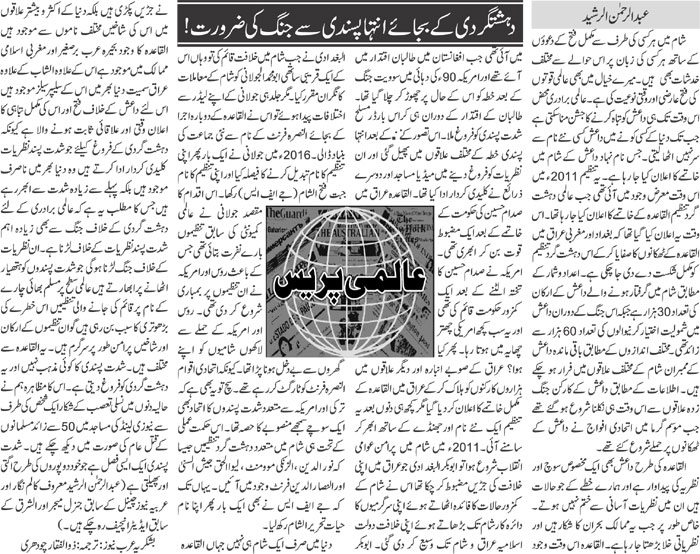
    Fighting extremism more important than fighting terrorism


    Declarations of victory are everywhere, and on the lips of everyone concerned with the war on terror in Syria. In my opinion, this is a temporary victory, and it is only a matter of time until another Daesh organization emerges.

    Daesh, the so-called state whose defeat was announced in Syria last week, was born in 2011 after the declaration of the end of the Al-Qaeda terrorist organization. It was announced that Al-Qaeda had been completely destroyed following its defeat in Baghdad and western Iraq.

    The number of those said to be members of Daesh who have been arrested in Syria has reached about 30,000. The number of those who joined the terrorist group during the Syrian war is thought to be more than 60,000, according to an estimate based on the number of detainees who left different parts of Syria after the launch of the international coalition’s attacks against them last summer.

    Like Al-Qaeda, Daesh is an idea, and ideas do not die easily in our region’s current environment, which is one of chaos and emptiness. 

    Al-Qaeda first appeared in Afghanistan after the Taliban took over and following the withdrawal of US troops in the early 1990s. From there, the idea of cross-border armed extremism spread to the countries of the region through the media, mosques and other incubators.

    Al-Qaeda strongly came into the picture in Iraq after the collapse of Saddam Hussein’s regime and the establishment of a weak temporary government in Baghdad under US administration. It was finally defeated in Iraq after thousands were killed in Anbar province, but it resurged under a new name and flag.

    In 2011, the peaceful and civil revolution started in Syria, and Abu Bakr Al-Baghdadi, who had established a “caliphate” and named it the Islamic State of Iraq, seized the opportunity to expand his so-called state across the border into Syria. He started to establish Daesh’s presence in Syria and chose Abu Mohammad Al-Julani for the task. But Al-Julani soon disagreed with his leader and instead founded the Al-Qaeda-linked Al-Nusra Front.

    Extremism has no religion and leads to terrorism. We have seen this in the way the racist right has turned to murder, such as in the recent crime that took place in two mosques in New Zealand. Extremism is one creed that nurtures itself.

    Al-Julani decided in 2016 to change the name of his organization to Jabhat Fateh Al-Sham (JFS). He said the aim was to “repel the pretexts of the international community, led by the US and Russia, which are bombing and displacing common Muslims in Syria under the pretext of targeting Al-Nusra Front.” The truth is that it was part of the game of forming alliances with Turkey and a number of other Syrian factions.

    Other terrorist movements emerged, including the Nour Al-Din Al-Zenki Movement, Liwa Al-Haqq, Jaysh Al-Sunna and the Ansar Al-Din Front. Even JFS changed its name again to Hayat Tahrir Al-Sham.

    Syria was not the only territory to be invaded by Al-Qaeda, as the organization’s branches are present in many areas. Al-Qaeda has a presence in the Arabian Peninsula, the Indian subcontinent and the Islamic Maghreb, in addition to the Al-Shabab organization and sleeper cells in Iraq and elsewhere.

    Therefore, declaring victory and the destruction of Daesh’s terrorist caliphate is an event confined to its place and time. 
    Terrorism will remain as an idea produced by extremism. This means that fighting extremism is more important than fighting terrorism, which is limited to the context of carrying arms.

    Organizations such as the Muslim Brotherhood remain a large school for producing dangerous ideas, even though among their followers and branches there are peaceful groups that are different from Al-Qaeda.


    Abdulrahman Al-Rashed is a veteran columnist. He is the former general manager of Al Arabiya news channel, and former editor-in-chief of Asharq Al-Awsat.
    Twitter: @aalrashed
    http://www.arabnews.com/node/1472431
    .............................

    Daesh’s deadly essence must be denied chance to thrive

    It is significant to note that hate is a driver of social destruction not only in terms of race and ethnic relations, but also between religions. Hate is intense, long-lasting and demands retaliation or redress. Hate, in other words, clouds reason. Clearly, hatred leads to extremism that manifests itself across a broad spectrum of belief systems and cultures, which Daesh’s essence thrives on. Deny them that space.  ... Keep reading ..... [........]


    Related :

    Jihad, Extremism

      Tuesday, August 28, 2018

      Islamic Extremism is a Product of Western Imperialism


      It is important that we understand the causes of such extremism. After all, Islamic extremism was virtually unknown fifty years ago and suicide bombings were inconceivable. And yet today it seems that we are confronted with both on a daily basis. 

      So what happened to bring Islamic fundamentalism to the forefront of global politics? 

      While there are many factors involved, undoubtedly one of the primary causes is Western imperialism. Western intervention in the Middle East over the past century to secure access to the region’s oil reserves established a perfect environment in which Islamic fundamentalists could exploit growing anti-Western sentiment throughout the Islamic world with some establishing violent extremist groups. The most recent consequence of this process is the terrorist group known as the Islamic State, which emerged out of the chaos caused by the US invasion of Iraq.
      In order to understand the rise of the Islamic State we must first briefly review the history of Western intervention in not only the Middle East but throughout the world to reveal that Islamic extremism in not a unique phenomenon. For the past 500 years, peoples throughout the world have resorted to acts of violence that today would be classified as terrorism in efforts to resist Western imperialism. Indigenous peoples in the Americas often used violent tactics to defend themselves against the brutal European colonizers. There were also many violent slave revolts by Blacks who had been shipped from Africa to the Americas in the service of Western imperialism.

      In Southeast Asia, the Filipino people first violently resisted the Spanish and then rose up again when the United States became the new colonial ruler of the Philippines in 1898. Apparently, Washington’s newest colonial subjects didn’t appreciate President William McKinley’s concern for their well-being when he arrogantly declared that since Filipinos “were unfit for self-government, … there was nothing left for us to do but to take them all, and to educate the Filipinos, and uplift and civilize and Christianize them.” Meanwhile, in South Africa, the Zulu people were resorting to violence in an effort to resist British attempts to “civilize” them in the late 1800s. Back then, those who violently resisted Western imperialism weren’t labelled “terrorists,” we just called them “savages.” These are just a few examples of the countless attempts throughout the global South to resist the violent and often brutal expansion of Western imperialism, which included not only the imposition of Western values and culture on people, but also Christianity.

      One of the reasons that Islamic extremism has only come to the fore in recent decades is the fact that Western imperialism in the Middle East is a relatively recent occurrence. Western imperialism didn’t begin to make serious headway in the Middle East until the early 20th century. Consequently, we haven’t yet succeeded in our quest to violently subjugate the peoples of that region to the degree that we have peoples throughout most of the rest of the world. In american leech some Middle Eastern nations, Western imperialism initially took the form of traditional colonialism, which involved direct rule. In other countries, it has constituted a neo-colonial approach utilizing international institutions such as the UN Security Council, the International Monetary Fund and the World Bank as well as direct US and European intervention in the forms of military coups and outright war.

      While European nations, particularly Britain, had made some inroads into the Middle East in the late 1800s, it was the discovery of oil in Iran in 1908 that marked the arrival of Western imperialism. The London-based Anglo-Persian Oil Company (APOC) gained the rights to Iran’s oil and, because its major shareholder was the British government, Britain effectively controlled Iran’s oil sector. During the ensuing decades there were major protests by the Iranian people who were unhappy with foreign ownership of the country’s oil and the fact that Iran was receiving only 16 percent of its own oil wealth. In 1950, the Iranian parliament finally responded to popular demands and voted to nationalize the country’s oil sector. The following year, Prime Minister Mohammed Mosaddegh established the National Iranian Oil Company.

      Unhappy with Iran’s decision to claim ownership of its own oil resources and to use them for the benefit of the Iranian people, the United States and Britain orchestrated a coup to oust the moderate, secular and democratically-elected Mosaddegh government. Shah Reza Pahlavi was installed in power and the new pro-Western dictator immediately re-opened the door for Western companies to return to Iran. And to ensure that the Shah maintained iron-clad control over the population, the United States provided him with military aid as well as training for his secret police force, which would brutalize the Iranian people for the next 26 years.

      Under the Shah, Western oil workers flooded into Iran and the country’s capital Tehran became a decadent playground for high-paid foreign oil workers who engaged openly in un-Islamic activities including alcohol consumption, casino gambling and prostitution. And while the country’s oil wealth was flowing into the pockets of foreigners and the Shah and his cronies, most Iranians were struggling to survive in poverty. Not surprisingly, Islamic fundamentalists began pointing to Western imperialism and Western decadence as an affront both to Islam and to the Iranian people. It was a narrative that began to resonate with many impoverished Iranians who had traditionally been moderates. In 1979, under the leadership of the Ayatollah Khomeini, a popular revolution overthrew the Shah’s repressive regime and established an Islamic state.

      Reflecting on the US role in Iran, former US Secretary of State Madeleine Albright stated, “In 1953 the United States played a significant role in orchestrating the overthrow of Iran’s popular Prime Minister Mohammad Mosaddegh. The Eisenhower Administration believed its actions were justified for strategic reasons; but the coup was clearly a setback for Iran’s political development. And it is easy to see now why many Iranians continue to resent this intervention by America in their internal affairs.”

      The first significant success for Islamic fundamentalism directly resulted from the United States and Britain overthrowing a democratically-elected and secular government and their subsequent support for a brutal dictatorship, all in the name of securing access to oil. Today, we are not only still dealing with the consequences of this Western imperialism in our relations with Iran, but also with Iran’s support for other fundamentalist groups in the region such as Hezbollah.

      The same year that Iran became an Islamic state, the Soviet Union invaded Afghanistan to defend that country’s unpopular Soviet-backed regime from a growing insurgency. The mujahideen rebels, like the Islamic revolutionaries in Iran, were fighting against a Western-backed dictatorship. This time it was the atheist communists of the Soviet Union that were the imperialists. The Soviet invasion of Afghanistan only boosted the strength of the mujahideen as recruits flocked from throughout the Islamic world to help liberate the country from the foreign infidels. Many of the tens of thousands of recruits came from Saudi Arabia, which contributed to the fundamentalist movement known as Wahhabism expanding from being a fringe sect of Islam that primarily existed in Saudi Arabia to a major religious force throughout the Sunni Islamic world.

      The United States viewed the Soviet occupation of Afghanistan through a Cold War lens and began providing weapons and training to the Islamic fundamentalist mujahideen rebels. During the 1980s, Washington supplied the mujahideen with $4 billion in arms that significantly strengthened the fundamentalists and President Ronald Reagan publicly referred to them as “freedom fighters.” One of the mujihadeen beneficiaries of US aid was a Saudi named Osama bin Laden. The primary objective of the war for this particular “freedom fighter” was the removal of a Western military from Islamic lands. The mujahideen succeeded in their holy war in 1989 when the Soviet Union withdrew its forces. And then, in 1996, following a civil war between various factions of the mujahideen, the recently-formed Taliban emerged victorious and established a fundamentalist government.

      As a 1993 article in the British daily Independent made clear, Osama bin Laden was viewed by the West as a warrior, not a terrorist, for his role in the mujahideen. The article, titled “Anti-Soviet Warrior Puts His Army on the Road to Peace,” described bin Laden’s work building roads in the impoverished nation of Sudan in the early 1990s. But bin Laden was not only building roads, he was also establishing a new organization with his mujahideen fighters that would eventually be called al-Qaeda. The mission of al-Qaeda essentially remained the same as that of the mujahideen in Afghanistan: to drive Western military forces out of Islamic lands. This time the target was US troops based in Saudi Arabia and Kuwait following the first Gulf War. Consequently, bin Laden went from being a “freedom fighter” to a “terrorist” virtually overnight even though his mission hadn’t changed, only the target.

      From the perspective of Washington, bin Laden was a “freedom fighter” when he was fighting against the Soviet military presence in Afghanistan but was a “terrorist” when he fought against the presence of US military forces in the Islamic world. From the perspective of bin Laden and his Islamic extremist followers, however, nothing had really changed. Whether it was Soviet soldiers or US troops, both constituted Western military forces that had to be removed from Islamic soil.

      Ultimately, Western intervention in the Islamic world gave birth to al-Qaeda. First, Soviet military support for a puppet regime in Afghanistan, then US backing of the Islamic fundamentalists who constituted the mujahideen rebels, and, finally, the establishment of US military bases in Saudi Arabia and Kuwait during the first Gulf War. As a consequence of these imperialist actions, Islamic extremists in the form of the Taliban and al-Qaeda emerged as powerful forces with the latter feeding off the growing disenchantment among Muslims angry at Western militarism in the Islamic world, Western backing for corrupt governments in the Middle East, and US support for Israel and its illegal occupation of Palestinian territories.

      Following al-Qaeda’s terrorist attacks against New York City and Washington, DC on September 11, 2001, the United States launched its war on terror and targeted the Islamic extremist group in Afghanistan. However, the Bush administration also sought to exploit the 9/11 attacks to justify ousting Saddam Hussein from power in Iraq. Top Bush administration officials launched a massive propaganda and misinformation campaign to convince the American people that Hussein was directly involved in the 9/11 attacks and linked to al-Qaeda, both of which were untrue. They also portrayed Hussein as a terrorist threat because he possessed weapons of mass destruction, which was another lie.

      As the reports by UN weapons inspectors had made clear, Iraq no longer possessed any chemical or biological weapons; they had been destroyed in accordance with UN Security Council resolutions following the first Gulf War in 1991. Furthermore, the Bush administration’s propaganda campaign conveniently ignored the fact that the weapons of mass destruction that Iraq had possessed and used during the 1980s were supplied to it by the United States when Hussein was an ally against the fundamentalist regime that had come to power in Iran.

      In March 2003, President George W. Bush ordered the US military to invade Iraq without authorization from the UN Security Council and in direct violation of international law. Four days before the invasion, Vice-President Dick Cheney declared, “From the standpoint of the Iraqi people, my belief is we will, in fact, be greeted as liberators.” But one year later an extensive nationwide poll in Iraq showed that 71 percent of Iraqis saw the US troops as “occupiers” rather than “liberators.” Such a response should not have been surprising given that some 100,000 Iraqis had been killed as a result of the invasion and occupation.

      The military occupation gave rise to an insurgency that sought to oust the foreign occupying troops. Prior to the US invasion there had been no Islamic extremist groups operating in the country. But the emergence of the broad-based insurgency and the post-invasion chaos opened the door for al-Qaeda to enter Iraq. And it was out of both the insurgency and al-Qaeda that the fundamentalist Islamic State (originally known as the Islamic State of Iraq and Syria, or ISIS) emerged in 2006.

      Following the invasion, the United States dismantled Saddam Hussein’s military and many of the unemployed former officers ended up joining the insurgency. Some of these military officers conspired with a breakaway faction of al-Qaeda in Iraq to form the Islamic State. The new extremist group sought to establish an Islamic caliphate in northern Iraq and Syria. The Syrian civil war in 2011 allowed the Islamic State to cross into Syria where it grew dramatically stronger and began to consolidate control over territory. It then re-focused its efforts on Iraq and easily defeated the new US-trained Iraqi army and consolidated its control over northern parts of that country in 2014. Meanwhile, the West’s military intervention in Libya in 2011 helped turn that country into a failed state and opened the door for the Islamic State to establish a foothold in that part of North Africa.

      The Islamic State has had significant success recruiting disenchanted Muslims from around the world to join its ranks and to carry out terrorist attacks in Western nations such as France and Belgium. Last year, even former British Prime Minister Tony Blair acknowledged “there are elements of truth” in claims that the invasion of Iraq led to the creation of the Islamic State. As Blair admitted, “Of course, you can’t say those of us who removed Saddam in 2003 bear no responsibility for the situation in 2015.”

      Once again, Western imperialist actions in the Middle East had given rise to Islamic extremism. But the rise of the Islamic State should not have come as a surprise to anyone. That the Bush administration’s illegal invasion of Iraq laid the foundation for the emergence of the Islamic State was entirely predictable. After all, the West’s ouster of the moderate and secular Mosaddegh and its backing of the Shah’s ruthless regime in Iran had given birth to that country’s Islamic fundamentalist revolution. And Washington’s military support of fundamentalist rebels in Afghanistan and its establishment of military bases in Saudi Arabia and Kuwait ensured the emergence of al-Qaeda.

      Meanwhile, Western imperialism in other parts of the Middle East over the past century has also contributed to the rise of Islamic fundamentalism. While most of the Arab states in the region gained independence following World War Two, the United States and Britain essentially handed over most of Palestine to European Jews so they could create the Jewish state of Israel. And, ever since, Israel has received unconditional US support to brutally repress the Palestinian people and to repeatedly violate international law, which has generated widespread anti-Western sentiment throughout the Middle East. It wasn’t until after almost 40 years of Israeli rule over Palestinian lands that Islamic fundamentalism and the tactic of suicide bombing finally made inroads among the traditionally moderate Palestinian population. This occurred when Hamas was formed in the Occupied Territories in the mid-1980s. Similarly, it was Israel’s US-supported invasion of Lebanon that gave birth to the fundamentalist group Hezbollah during the same decade.

      Over the past one hundred years, the Middle East has been targeted by Western imperialism in the violent manner that the rest of the world has endured for centuries. Nowadays we use politically correct terms such as “democracy promotion” and “human rights” instead of “civilize” and “Christianize,” but they essentially mean the same thing because they are simply the latest justifications for stealing resources and imposing Western values on other cultures. Not surprisingly, as has been the case throughout the rest of the world over the past 500 years, there is widespread resentment and anger towards the West for its imperialist policies in the Middle East. And, also not surprisingly, some fundamentalist Muslim resisters to Western imperialism have resorted to extreme tactics.

      Finally, perhaps one of the most disturbing aspects of Western imperialism in the Islamic world is the fact that each consequence has been more extreme than the previous one. Al-Qaeda and the Taliban were far more extremist than the Islamic government that came to power in Iran. And the Islamic State is even more extremist than al-Qaeda. Which begs the question: What new and even more extremist monstrosity are we currently creating with our ongoing military interventions and imperialist policies in the Islamic world?

      By Garry Leech, an independent journalist and author of numerous books including How I Became an American Socialist (Misfit Books, 2016), Capitalism: A Structural Genocide (Zed Books, 2012); Beyond Bogota: Diary of a Drug War Journalist in Colombia (Beacon Press, 2009); and Crude Interventions: The United States Oil and the New World Disorder (Zed Books, 2006). ). He also teaches international politics at Cape Breton University in Nova Scotia, Canada and Javeriana University in Cali, Colombia. For more information about Garry’s work, visit garryleech.com


      Related :

      Jihad, Extremism.... [........]

        Thursday, January 5, 2017

        شدت پسندوں کی تقسیم Categories of Terrorists nd Reforming


         شدت پسندی کی مختلف سطحیں ہوتی ہیں اور ان سے مختلف طرح سے ڈیل کرنا پڑتا ہے۔ ہمارے ہاں اور بہت سی چیزوں کی طرح عسکریت پسندی اور کالعدم تنظیموں کے حوالے سے بھی سوئپنگ سٹیٹمنٹس سے کام لیا جاتا ہے۔ اس ایشو کو زیادہ گہرائی میں جا کر سمجھنے کی ضرورت ہے۔ 

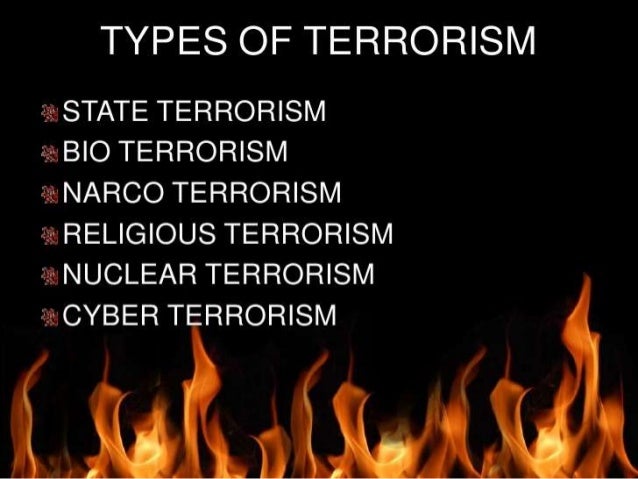
        Image result for categories of terrorists 


        Categories of Terrorist Groups

        There are many different categories of terrorism and terrorist groups that are currently in use. These categories serve to differentiate terrorist organizations according to specific criteria, which are usually related to the field or specialty of whoever is selecting the categories. Also, some categories are simply labels appended arbitrarily or redundantly, often by the media. For example, every terrorist organization is by definition "radical", as terror tactics are not the norm for the mainstream of any group. 

        Separatist. Separatist groups are those with the goal of separation from existing entities through independence, political autonomy, or religious freedom or domination. The ideologies separatists subscribe to include social justice or equity, anti-imperialism, as well as the resistance to conquest or occupation by a foreign power. 

        Ethnocentric. Groups of this persuasion see race as the defining characteristic of a society, and therefore a basis of cohesion. There is usually the attitude that a particular group is superior because of their inherent racial characteristics. 

        Nationalistic. The loyalty and devotion to a nation, and the national consciousness derived from placing one nation's culture and interests above those of other nations or groups. This can find expression in the creation of a new nation, or in splitting away part of an existing state to join with another that shares the perceived "national" identity. 

        Revolutionary. Dedicated to the overthrow of an established order and replacing it with a new political or social structure. Although often associated with communist political ideologies, this is not always the case, and other political movements can advocate revolutionary methods to achieve their goals. 

        Political. Political ideologies are concerned with the structure and organization of the forms of government and communities. While observers outside terrorist organizations may stress differences in political ideology, the activities of groups that are diametrically opposed on the political spectrum are similar to each other in practice. 

        Religious. Religiously inspired terrorism is on the rise, with a forty-three percent increase of total international terror groups espousing religious motivation between 1980 and 1995. While Islamic terrorists and organizations have been the most active, and the greatest recent threat to the United States, all of the major world religions have extremists that have taken up violence to further their perceived religious goals. Religiously motivated terrorists see their objectives as holy writ, and therefore infallible and non-negotiable 

        Social. Often particular social policies or issues will be so contentious that they will incite extremist behavior and terrorism. Frequently this is referred to as "single issue" or "special interest" terrorism. Some issues that have produced terrorist activities in the United States and other countries include animal rights, abortion, ecology/environment, and minority rights. 

        Domestic. These terrorists are "home-grown" and operate within and against their home country. They are frequently tied to extreme social or political factions within a particular society, and focus their efforts specifically on their nation's socio-political arena. 

        International or Transnational. Often describing the support and operational reach of a group, these terms are often loosely defined, and can be applied to widely different capabilities. International groups typically operate in multiple countries, but retain a geographic focus for their activities. Hezbollah has cells worldwide, and has conducted operations in multiple countries, but is primarily concerned with events in Lebanon and Israel. 

        Transnational groups operate internationally, but are not tied to a particular country, or even region. Al Qaeda is transnational; being made up of many nationalities, having been based out of multiple countries simultaneously, and conducting operations throughout the world. Their objectives affect dozens of countries with differing political systems, religions, ethnic compositions, and national interests:


        ایک دلچسپ مثال کے ذریعے شدت پسندوں کی تقسیم سمجھنے کی کوشش کریں۔

        فرض کر لیں کہ ہم ایک خاندان کے بارے میں بات کر رہے ہیں، ان میں ایک نوجوان ایسا ہے جوجانوروں کے حقوق کا پرزورعلمبردارہے اور ان پر ظلم کرنے والوں کے خلاف ذہن رکھتا ہے۔یہ ایک معتدل طرز فکر ہے ۔
        اس نوجوان کا بڑا بھائی بھی بالکل وہی خیالات رکھتا ہے، مگر وہ حیوانات کے ساتھ بے رحمی برتنے والوں کے خلاف تحریک چلا رہا ہے۔ وہ پمفلٹس لکھتا اور لومڑیوں کی دم سے فر کوٹ بنانے والی فیکٹریوں کے باہر مفت بانٹتا ہے ، ان فرکوٹس ، جانوروں کی کھال سے بنائے جانے والے پرس وغیرہ کے بائیکاٹ کی اپیل کرتا ہے وغیرہ ۔ اسے ہم ایکٹو نوجوان سمجھتے ہیں،جو اپنے خیالات کا پرچار کرتا اور اس کے لئے رائے عامہ ہموار کرنے میں جتا رہتا ہے۔
        اسی خاندان کا ایک اور نوجوان اس حوالے سے زیادہ تیز اور جارحانہ خیالات کا حامل ہے۔ اس کے خیال میں جانوروں پر ظلم کرنے والے ظالم اور گناہ گار ہیں، ایسے لوگوں کا ایمان بھی خطرے میں ہے اور ان کی شدید مذمت ہونی چاہیے۔ یہ نوجوان سخت گیر فکر کا حامل ہے۔
        اس کا ایک بڑا بھائی بھی ویسے سخت گیر خیالات رکھنے کے ساتھ زیادہ سرگرم اور منہ پھٹ ہے۔ وہ جانوروں کی کھالوں کا کاروبار کرنے والے اداروں کے خلاف ریلیاں نکالتا، ان کے دفاتر کے باہر نعرے لگاتا اور برا بھلا کہنے سے بھی گریز نہیں کرتا۔ کیٹیگریز کے مطابق یہ نوجوان ریڈیکل ہے۔
        اسی خاندان کا ایک اور شخص ایک قدم آگے بڑھ کر مزاحمت کرتااوربے رحمی حیوانات کا ارتکاب کرنے والوں سے بھڑ جانے سے بھی گریز نہیں کرتا۔ کسی کو تھپڑ مکہ مار دیا ، گالیاں نکالیں اور ہنگامہ کھڑا کر دیا۔ یہ ایک شدت پسند ہے ۔
        اس خاندان میں ایک ایسا جوشیلا نوجوان بھی ہے جس نے ایک فیکٹر ی پر گھریلو ساختہ بم سے حملہ کر دیا اور فائرنگ کر کے فیکٹری مالک کو قتل کر دیا۔ یہ دہشت گردہے۔
        اب یہ ساری مختلف کیٹیگریز ہیں۔ سخت گیر فکر سے شدت پسندی، ریڈیکل سے دہشت گردی تک ارتکاب کرنے والے مختلف حلقے۔ ان تمام کو ایک ہی طرح سے ڈیل نہیں کیا جا سکتانہ کرنا چاہیے۔ برطانیہ میں سیون سیون کے دھماکوں کے بعد شروع میں شدت پسند ذہن رکھنے والے مسلمانوں پر کریک ڈائون ہوا اور سب کو ایک ہی آنکھ سے دیکھا گیا۔ بعد میں ماہرین نے ریسرچ کر کے یہ نتائج نکالے کہ ان کی الگ الگ کیٹیگری بنا کر الگ الگ ڈیل کیا جائے۔
        ریسرچ کے مطابق اس کے امکانات موجود رہتے ہیںکہ کوئی سخت گیر فکر رکھنے والا نوجوان اپنی سوچ کے ارتقائی مراحل میں دہشت گردی تک پہنچ جائے، مگر اس کے بھی قوی امکانات ہیں کہ وہ صرف اپنی اسی کیٹیگری تک ہی محدود رہ جائے بلکہ اسے مکالمہ اورگفتگو سے مزید نرم کر کے ماڈریٹ بنایا جا سکے۔
        ایسا ایک تجربہ چند سال پہلے مصر میں کیا گیا۔ حسنی مبارک کے دور میں جیل میں بندمذہبی قیدیوں کے ساتھ ایک مکالمے کے عمل کا آغاز ہوا۔ ان دنوں جیل میں حزب التحریر، اخوان المسلمون، القاعدہ اور بعض شدت پسند تنظیموں کے لوگ قید تھے، ان میںاسامہ بن لادن کے نائب اور آج کل القاعدہ کے سربراہ ایمن الظواہری کی سابقہ تنظیم کے جنگجو بھی شامل تھے۔ انہیں جیل میں کتابیں فراہم کی گئیں۔

        اس وقت کے مفتی اعظم مصر شیخ علی جمعہ نے اس مکالمہ میں دلچسپی لی اور قیدیوں کے لئے سہولت کار کے فرائض انجام دئیے۔ کئی ماہ تک یہ مکالمہ چلتا رہا۔ اخوان المسلمون تو خیر ایک جمہوری جماعت ہے جس نے مسلح جدوجہد سے انتہائی مشکل وقت میں بھی گریز کیا ،مگر وہ شدت پسند جنگجو جو پہلے مسلح جدوجہد سے کم کسی بات پر راضی نہیں ہوتے تھے، ان میں بنیادی نوعیت کی تبدیلی آئی اور ایک بڑے حلقے نے آئندہ کے لئے 

        پرامن جدوجہد کرنے کا اعلان کیا۔
        حزب التحریر کے کئی ممتاز لوگوں نے اپنی جماعت چھوڑ دی ، القاعدہ کا ایک حصہ الگ ہوگیا۔ یہ تبدیلی اس قدر بڑی اور نمایاں تھی کہ ایمن الزویری کو خود اس کے خلاف ایک کتاب لکھنی پڑی۔
        شیخ الازہر علی جمعہ کا کہنا تھا کہ مکالمہ کے ذریعے ہی ہم تبدیلی لاسکتے ہیں اور یہ ممکن نہیں کہ ایک انتہا پسند اچانک ماڈریٹ ہوجائے ۔ اس میں تبدیلی مرحلہ وار آئے گی۔ شدت پسندی ترک کر نے کے باوجود وہ ایک سخت گیر فکر کا حامل تو رہے گا۔ اسے برداشت کرنا پڑے گا۔ جب سخت گیر فکر کاحامل سسٹم کا حصہ بن جائے تو بتدریج وہ نرم ہوتا جائے گا۔
        ہمارے ہاںکالعدم تنظیموں کی اصطلاح وسیع معنوں میں استعمال ہوتی ہے۔ ہر وہ تنظیم جس پر حکومت پابندی لگا دے، وہ کالعدم کہلاتی ہے، مگر یاد رہے کہ ہر کالعدم تنظیم ضروری نہیں کہ ایک ہی سطح کی دہشت گرد تنظیم ہو۔ 

        ان میں سے کچھ سخت گیر فکر رکھنے والی تنظیمیں اور بعض مختلف مسالک کی گمراہی یا تکفیر کی قائل ہیں۔ اب جہاں تک دہشت گرد تنظیموں کا معاملہ ہے، تحریک طالبان پاکستان، لشکر جھنگوی یا وہ مختلف سپلنٹر گروپ جو ریاست اور ریاستی اداروں، شہریوں پر حملہ آور ہوتے ، بے گناہ افراد کی ہلاکت کے خواہاں ہیں، ان کے ساتھ تو کسی قسم کی رعایت نہیں ہونی چاہیے۔ دہشت گرد کسی قسم کی رعایت کے مستحق نہیں ۔ تاہم بعض ایسی کالعدم تنظیمیں ہیں جن کی سخت گیر فکر اور دوسرے مسالک کے لئے ان کے تکفیری رویے کو دیکھتے ہوئے ان پر پابندی لگائی گئی۔ یہ پابندی لگانا درست تھا کہ اس سے ریاست کے عزم اور سخت گیر فکر کے لئے زیرو ٹالرنس کا پتہ چلتا ہے ۔تاہم اس حوالے سے معاملات کو سلیقے سے ہینڈل کرنے کی ضرورت ہے۔

        سخت گیر فکر والے لوگ لاکھوں میں ہوسکتے ہیں۔ ان سب کو اٹھا کر سمندر میں نہیں پھینکا جا سکتا۔ ان سب کو جیلوں میں بند کرنا بھی ممکن نہیں۔ اس کے لئے طریقہ کار یہی ہے کہ اہل علم ان کے ساتھ مکالمہ کا آغاز کر یں اور سوچ کی تبدیلی کی کوشش کریں۔
        دوسری طرف ان کالعدم تنظیموں میںسے جو لوگ سسٹم کا حصہ بننے کو تیار ہیں، وہ پرامن سیاسی جدوجہد کرنا چاہتے اور الیکشن، جمہوریت، آئین کو تسلیم کر رہے ہیں، ان کی حوصلہ افزائی ہونی چاہیے۔
        امریکہ میں ٹرمپ جیسے لوگ اور یورپ میںتارکین وطن کے لئے نفرت آمیز سوچ رکھنے والی انتہائی رائٹ کی سیاسی جماعتوں کو نہ صرف برداشت کیا گیابلکہ اب کئی جگہوں پر اقتدار میں آ رہی ہیں۔
        ہمارے ہاں مولانا صوفی محمد اور ان جیسے بے لچک لوگوں پر سب سے بڑا اعتراض بھی یہی تھا کہ یہ ریاست کے آئین ، جمہوری سسٹم اور انتخابات وغیرہ ہی کو نہیں مان رہے تو انہیں کس طرح قبول کیا جائے ؟ یہ اعتراض درست تھا، مگر اب جو لوگ سسٹم کو تسلیم کر کے ، الیکشن لڑنے پر آمادہ ہیں، سیاسی عملیت پسندی انہیں اپنے ماضی کے شدت پسندانہ موقف کو چھوڑ دینے پر مجبور کر رہی ہے، انہیں آنے دینا چاہیے۔

        جھنگ سے مولانا حق نواز جھنگوی کے بیٹے کا ایم پی اے بننا خوش آئند ہے، جمعیت علما ئے اسلام جیسی مین سٹریم جماعت کے وہ حصے بنے ہیں، یہ بھی مثبت علامت ہے۔ اسے نیشنل ایکشن پلان کی ناکامی نہیں سمجھنا چاہیے۔

        سانحہ کوئٹہ کی تحقیقات کرنے والے کمیشن نے اسلام آباد میں مولانا لدھیانوی کے جلسے کے حوالے سے غیر ضروری حساسیت کا مظاہرہ کیا۔ مولانا لدھیانوی سمیت ایسے بہت سے لوگ ہیں جو سسٹم کا حصہ بن چکے ہیں ۔ ان کے سابق شدت پسند ساتھی اس پر انہیں مطعون کررہے ہیں۔ شدت پسندی سے گریز کرنے والوں کی حوصلہ شکنی کر کے ہم انتہا پسندوں کے ہاتھ مضبوط کریں گے۔
        (عامر ہاشم خاکوانی، دنیا ڈاٹ کام)

        http://m.dunya.com.pk/index.php/author/amir-khakwani/2017-01-05/18115/52573841

        Terrorism and solution? دہشت گردی اور اس کا حل ؟

        دہشت گردی ایک اختلافی نظریہ ہے جس کی بہترین وضاحت اس قدیم کہاوت سے ہوتی ہے؛ “ایک شخص کا دہشت گرد دوسرے کے نزدیک آزادی کا مجاہد ہے”...

        Saturday, October 1, 2016

        اَہْلُ السُّنَّۃ وَالْجَمَاعَۃ‘‘ کون؟ Who are real Sunni Muslim? Salafi, Wahabi, ISIS, Daesh Excluded

        اہل  سنت  والجماعت انٹرنیشنل  کانفرنس  چیچنیا گروزنی  میں  داعیش ، اور اس طرح کے دشت گرد  جتھوں  سے  لا تعلقی  کا  اعلان  کر دیا -
        Image result for SUNNI CONFERENCE IN GROZNY:

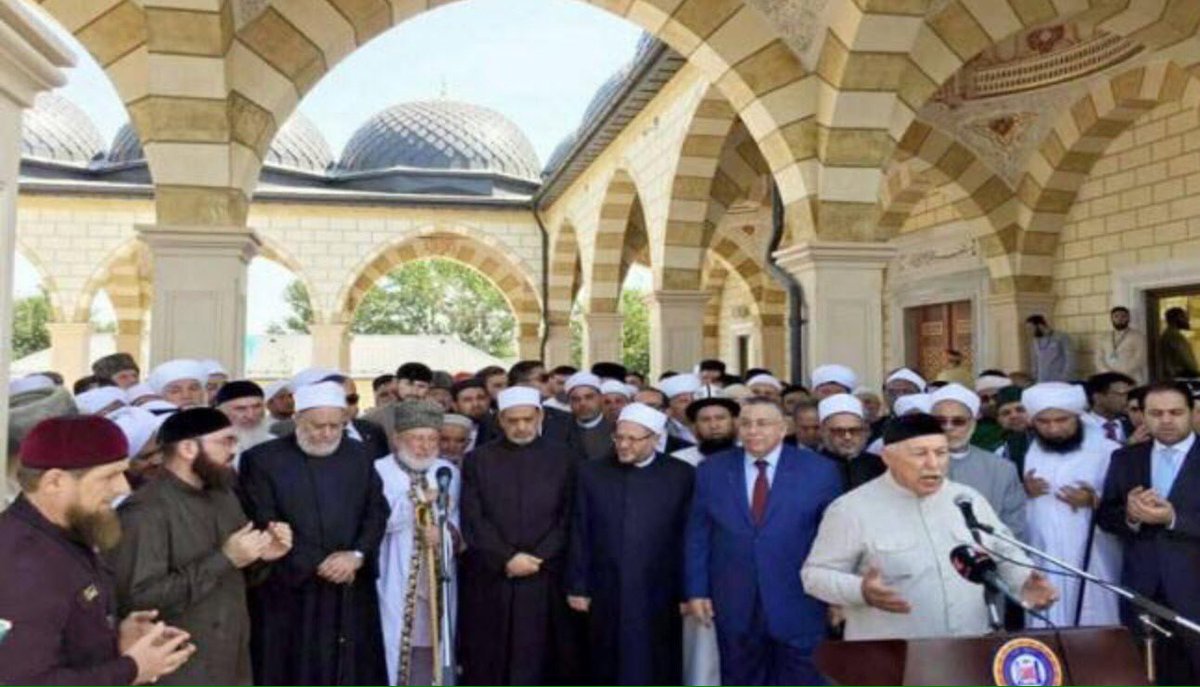
        Over 200 Sunni scholars from around the world accepted the invitation of Yemeni Sufi preacher, Alhabib Ali al-Jafri, to attend a conference in Grozny, the capital city of the Chechen Republic, Russia on 25-27 August 2016. The aim of the conference was to define the term “Ahl al-Sunna wa’l-Jama‘ah”, which is often used to describe an umbrella under which an assortment of Muslim sects stand and each claims a legitimacy to represent the true interpretation of Islam via the following of the sunna (tradition) of Prophet Muhammad. Among the notable personalities in the conference was a very high level delegation from Egypt, headed by the Grand Imam of al-Azher, Dr. Ahmed al-Tayyib, who gave a speech on the first day of the conference. The Egyptian delegation also included the former Grand Mufti of Egypt, Shaykh Ali Gum‘a, The current Grand Mufti, Shaykh Shawqi Allam, and, to make it even more official, a high government religious affairs representative, Shaykh Ousama al-Azhari. There was also the Grand Mufti of Syria, and a number of popular intellectuals such as Dr. Adnan Ibrahim.  Important was deliberate exclusion of Saudi Arabia from the conference. The conveners of the conference on identifying who the true Sunnis are made it clear that Saudi scholars and their Wahhabi version of Islam were not invited and not welcome to attend. Also excluded were all Salafis, the Muslim Brotherhood, and all terrorist groups that use violence in the name of Islam. To add insult to the injury, the conference, having excluded the Wahhabis and Salafis from the Sunni community, declared in its final communiqué the inclusion of Sufis, Ash‘aris and Maturidis – all of whom are disputed by Wahhabis and Salafis as true Sunnis. They disassociated from ISIS, DAesh and militant terrorist groups using nam of Sunnis falsely.....
         The agenda was to take an uncompromising stand against the growing Takfiri terrorism that is playing havoc across the world. The globally renowned Sunni Islamic scholars and clergy unanimously took a stand that the Takfiri terrorists, who loudly claim to belong to 'Sunni' Islam, are not from among the Ahlus Sunnah (the Islamic terminology for the mainstream Sunni Muslims in the world). Keep reading >>>>

        Image result for SUNNI CONFERENCE IN GROZNY:
        انحرافی فکر کا فتنہ ہر دور میں سر اٹھاتا رہا ہے ،یہ لوگ ہردور میں اپنی فکر کو قرآن وسنت کی طرف منسوب کرکے صحیح مَنہَجِ علمی کو مٹانے کی کوشش کرتے رہے ہیں- ان کی وجہ سے عام لوگوں کا امن وسکون غارت ہوجاتا ہے ،ایسی ہی گمراہ فکر کے حاملین قدیم دور کے خوارج تھے جن کاتسلسل ہمارے عہد کے وہ خوارج ہیں جو اپنے آپ کو سَلَفیت کی طرف منسوب کرتے ہیں اور مسلمانوں کی تکفیر کرتے ہیں ۔ داعش اور اُن کی انتہا پسندانہ فکر کی حامل ساری تنظیموں میں یہ چیز بھی مشترک ہے کہ وہ دین کی مُسَلَّمہ اور مُتفقہ تعلیمات میں تحریف کرتے ہیں ، انتہا پسند ہیں ،جہالت پر مبنی باطل تاویلات کو دین سے منسوب کرتے ہیں ،اس کے نتیجے میں مسلمانوں میں فکری انتشار پیدا ہوتا ہے۔ اِن باطل تاویلات کے بَطن سے تکفیری اور تباہ کُن فکر،خوں ریزی اور تخریب وفساد جنم لیتا ہے اور اسلام کا نام بدنام ہوتا ہے۔اِن کی برپاکردہ جنگوںاور حق سے تجاوز کا تقاضا ہے کہ دینِ حنیف کے حاملین برملا اِن سے برائت کا اعلان کریں اور یہ رسول اللہﷺ کی اس حدیث کا مصداق ہوگا:''بعد میں آنے والوں میں سے اس دین کے حامل وہ انتہائی منصف مزاج علماء ہوں گے، جواِس دین کو انتہا پسندوں کی تحریف ، باطل پرستوں کی بے اصل باتوں اور جاہلوں کی تاویلوں سے پاک کریں گے،(شرح مشکل الآثار:3884) ‘‘۔
        اللہ تعالیٰ کے فضل وکرم سے یہ کانفرنس ایسا سنگِ میل ثابت ہوگی جو اِلحادی فکر کی اصلاح کرے گی اور انتہا پسندوں کے باطل اجتہاد ات وتاویلات کے ذریعے اھل السّنّۃ والجماعۃ کے لیے جو خطرات پیدا ہوچکے ہیں ،اُن سے نجات کا باعث ہوگی۔اس کا احسن طریقہ یہ ہے کہ ہماری بڑی درس گاہوں میں اس اِنحرافی فکر کو رد کرنے کے لیے مضبوط علمی استدلال کا طریقہ اختیار کیا جائے اورتکفیر اور انتہاپسندی سے نجات پانے کے لیے امن وسلامتی کے اسلامی پیغام کو پورے عالَمِ انسانیت کے لیے عام کیا جائے تاکہ ہمارے ممالک سب کے سب ہدایت کے سرچشمے اور مَنارۂ نور بنیں -

        --------------------------------------

        ’’اَہْلُ السُّنَّۃ وَالْجَمَاعَۃ‘‘ کون؟

        25تا27اگست 2016ء کو ریاستِ چیچنیا کے دارالحکومت ''گروزنی‘‘میں علمائے اسلام کی ایک عالمی کانفرنس''اَلْمُؤْتَمَرُ الْعَالَمِی لِعُلَمَائِ الْمُسْلِمِیْن‘‘ منعقد ہوئی۔اس کانفرنس کاموضوع تھا:''مَنْ ھُمْ اَھْلُ السُّنَّۃ وَالْجَمَاعَۃ ؟‘‘،یعنی ''اَہلُ السُّنَّۃ والجماعۃکون ہیں؟‘‘،بالفاظِ دیگر اہلُ السُّنَّۃ والجماعۃ کی متفقہ تعریف مقصود تھی۔اس کانفرنس میں شیخ الازہر ڈاکٹر محمد احمد الطیب ، جامعہ الازہر کے ریکٹر شیخ ابراہیم،مفتی اعظم چیچنیا شوکی الیَم،ڈاکٹر شیخ سعید عبداللطیف فُودہ (اردن)، شیخ الحبیب علی الجُفری (یمن)، شیخ ابوبکر (کیرالہ،انڈیا) اور دیگر علمائے کِبار شریک تھے۔چیچنیا کے صدر رمضان قدیروف نے اس کانفرنس کی صدارت کی ۔ کانفرنس کی قرارداد اور اعلامیہ حسبِ ذیل ہے :
        اہل السنۃ والجماعۃ اعتقادی یعنی کلامی مسائل میں اَشاعِرہ (جو امام ابوالحسن الاشعری کی طرف منسوب ہیں)،ماتُریدیہ (جو امام ابومنصور ماتریدی کی طرف منسوب ہیں)اور ''اَھْلُ الْحَدِیْثِ الْمُفَوِّضَہ‘‘شامل ہیں (یعنی وہ اہلِ حدیث جو اعتقادی مسائل میں صفاتِ الٰہی سے متعلق آیاتِ متشابہات پر ایمان لاتے ہیں اور اُن کے مرادی یا حقیقی معنی کو اللہ تعالیٰ کے علم کی طرف تفویض کردیتے ہیں،یعنی وہ ان الفاظ کے ظاہری معنی مراد نہیں لیتے ۔ان آیاتِ متشابہات میں اللہ تعالیٰ کے لیے ''یَدْ،وَجْہ،ساق، نفس، عَین اور جہت وغیرہا‘‘ کلمات آئے ہیں ۔پس جن اہلِ حدیث نے اِن کلمات کو اعضاء وجوارح (Organs)کے معنی میں لیا ہے، اس کانفرنس کی قرارداد کی رُو سے انہیں ''اہلُ السُّنَّۃ والجماعۃ‘‘ سے خارج قرار دیا گیا ہے، اس فکر کے حاملین کو علمائے علم الکلام نے ''مُجَسِّمین‘‘ سے تعبیر کیا 
        ہے)۔ ان میں چار فقہی مذاہب کے ماننے والے حنفیہ ،مالکیہ، شافعیہ اور حنابلَہ شامل ہیںاور ان کے علاوہ سید الطائفہ امام جُنید اورعلم ،اَخلاق اور تزکیہ میں اُن کے طریقِ اصلاح کے حامل ائمّہ ھُدیٰ شامل ہیں۔یہ علمی مَنہَج اُن علوم کا احترام کرتا ہے جو، وحیِ ربّانی کو سمجھنے کے لیے خادم کا درجہ رکھتے ہیں اور نفس وفکر کی اصلاح ،دین کو تحریف اور بے مقصد باتوں سے محفوظ رکھنے اور اموال اور آبرو کی حفاظت اور نظامِ اخلاق کی حفاظت کرنے میں ،اس دین کی اَقدار اور مقاصد کو واضح کرتے ہیں۔
        قرآنِ کریم کی حدود ہیںاور یہ تمام دینی علوم اس معنی میں بطورِ خادم اُس کا احاطہ کیے ہوئے ہیںکہ جو اُس کے معنی ومراد کو سمجھنے میں مددگار ہوتے ہیں اورحیات ،تمدُّن ،آداب واخلاق ،رحمت وراحت ،ایمان وعرفان اور دنیا میں امن وسلامتی کے فروغ سے متعلق قرآن میں ودیعت کیے ہوئے اِن علوم کا استخراج (Deduction) کرتے ہیں اور اِس کے سبب اقوامِ عالَم ،مختلف طرزِ بودوباش رکھنے والوں اورمختلف تہذیب وتمدُّن کے حاملین پر یہ واضح ہوتا ہے کہ یہ دین تمام جہانوں کے لیے رحمت ہے اور دنیا اور آخرت کی سعادت کا باعث ہے ۔
        اَھْلُ السنّۃ والجماعۃ کامَنْہَج تمام مَناہِجِ اسلام میں سے زیادہ جامع ،زیادہ ثِقہ ،زیادہ مضبوط ، علمی کُتب اور تدریس کے اعتبار سے شرعِ شریف کے مقاصدکے ادراک اور عقلِ سلیم کے لیے صحیح تعبیر کا حامل ہے اور تمام علوم اورحیاتِ انسانی کے تمام شعبوں میں بہترین ربط اور حسنِ تعلق کا آئینہ دار ہے۔اَہل السّنّہ والجماعہ کی علمی درس گاہوں نے صدیوں سے ہزاروں عُلَماء اورفُضَلاء پیدا کیے ہیں جو سائبیریا سے نائجیریا تک اور طنجہ(جبرالٹر کے بالمقابل مراکش کاساحلی شہر) سے جکارتا تک پھیلے ہوئے ہیں اور اِفتاء، قَضاء، تدریس اورخطابت کے شعبوں میں اعلیٰ ترین مناصب پر فائز رہے ہیں ۔اِن کی برکت سے انسانی معاشرت کو امان ملی ،فتنوں اور جنگوں کی آگ بجھی ،ممالک میں قرار وسکون آیا اور علم وعلوم کی اشاعت ہوئی۔
        اَھل السنّۃ والجماعۃ اپنی پوری تاریخ میں اسلام کی صحیح تعبیر کر کے انحرافی فکر سے اِس کی حفاظت کرتے رہے ہیں ،وہ مختلف فرقوں کے نظریات اور مفاہیم کا جائزہ لیتے ہیں اور اُن کے لیے علم، نقد وجرح اورثبوت کے معیارات مقرر کرتے ہیں ،اِلحاد وانحراف کی کوششوں کا سدِّ باب کرتے ہیں ،تحقیق وتنقیح کے شِعار کے ذریعے خطا وصواب میں امتیاز کرنے کے لیے علوم کی ترویج کرتے ہیں ۔انہی کے منہَجِ علمی کے فروغ کے باعث انتہا پسندی کا سدِّ باب ہوااور امتِ محمدیہ کے تمدُّن کو فروغ ملا ۔اسی طبقے میں اسلام کے وہ عَبقری علماء پیدا ہوئے، جنہوںنے الجبرا،ریاضی، جیومیٹری، لوگارتھم، انجینئرنگ ،طب و جراحت، فارمیسی، حیاتیات، ارضیات، کیمیا، طبیعیات، فلکیات ،صوتیات وبصریات اور دیگر علوم میں کارہائے نمایاں انجام دیے ہیں ۔
        انحرافی فکر کا فتنہ ہر دور میں سر اٹھاتا رہا ہے ،یہ لوگ ہردور میں اپنی فکر کو قرآن وسنت کی طرف منسوب کرکے صحیح مَنہَجِ علمی کو مٹانے کی کوشش کرتے رہے ہیں،ان کی وجہ سے عام لوگوں کا امن وسکون غارت ہوجاتا ہے ،ایسی ہی گمراہ فکر کے حاملین قدیم دور کے خوارج تھے جن کاتسلسل ہمارے عہد کے وہ خوارج ہیں جو اپنے آپ کو سَلَفیت کی طرف منسوب کرتے ہیں اور مسلمانوں کی تکفیر کرتے ہیں ۔ داعش اور اُن کی انتہا پسندانہ فکر کی حامل ساری تنظیموں میں یہ چیز بھی مشترک ہے کہ وہ دین کی مُسَلَّمہ اور مُتفقہ تعلیمات میں تحریف کرتے ہیں ، انتہا پسند ہیں ،جہالت پر مبنی باطل تاویلات کو دین سے منسوب کرتے ہیں ،اس کے نتیجے میں مسلمانوں میں فکری انتشار پیدا ہوتا ہے۔ اِن باطل تاویلات کے بَطن سے تکفیری اور تباہ کُن فکر،خوں ریزی اور تخریب وفساد جنم لیتا ہے اور اسلام کا نام بدنام ہوتا ہے۔اِن کی برپاکردہ جنگوںاور حق سے تجاوز کا تقاضا ہے کہ دینِ حنیف کے حاملین برملا اِن سے برائت کا اعلان کریں اور یہ رسول اللہﷺ کی اس حدیث کا مصداق ہوگا:''بعد میں آنے والوں میں سے اس دین کے حامل وہ انتہائی منصف مزاج علماء ہوں گے، جواِس دین کو انتہا پسندوں کی تحریف ، باطل پرستوں کی بے اصل باتوں اور جاہلوں کی تاویلوں سے پاک کریں گے،(شرح مشکل الآثار:3884) ‘‘۔
        اللہ تعالیٰ کے فضل وکرم سے یہ کانفرنس ایسا سنگِ میل ثابت ہوگی جو اِلحادی فکر کی اصلاح کرے گی اور انتہا پسندوں کے باطل اجتہاد ات وتاویلات کے ذریعے اھل السّنّۃ والجماعۃ کے لیے جو خطرات پیدا ہوچکے ہیں ،اُن سے نجات کا باعث ہوگی۔اس کا احسن طریقہ یہ ہے کہ ہماری بڑی درس گاہوں میں اس اِنحرافی فکر کو رد کرنے کے لیے مضبوط علمی استدلال کا طریقہ اختیار کیا جائے اورتکفیر اور انتہاپسندی سے نجات پانے کے لیے امن وسلامتی کے اسلامی پیغام کو پورے عالَمِ انسانیت کے لیے عام کیا جائے تاکہ ہمارے ممالک سب کے سب ہدایت کے سرچشمے اور مَنارۂ نور بنیں ۔
        یہ تفصیلات میں نے سہل انداز میں بیان کرنے کی کوشش کی ہے تاکہ امتِ مسلمہ میں عالَمی سطح پر جو اضطراب ہے ، تمام مذہبی طبقات کو اس کا صحیح ادراک ہوجائے ۔میری دانست میں اِس کی ضرورت، دورِ حاضر میں بعض لوگوں کے خود وضع کیے ہوئے جہادی اور تکفیری کلچر کے نتیجے میں، محسوس کی گئی ہے ،کیونکہ اس تخریب وفساد کا نشانہ سب سے زیادہ خود مسلم ممالک بن رہے ہیں ۔اس کانفرنس کے اعلامیے سے روس اور ایران کی دلچسپی شام کے حالات کے تناظر میں واضح ہے اور چیچنیا میں بھی کسی نہ کسی سطح پر جہادی فکر موجود ہے،اگرچہ جوہر دودائیف کے زوال کے بعد اسے دبادیا گیا ہے۔حال ہی میں ایک امریکی پروفیسر عمر نے بتایا کہ خلیفہ کے لیے قرشی ہونے کی شرط کے سبب داعش کے لوگ افغان طالبان کے امیر کی بیعت سے کنارہ کش ہوگئے ہیں۔سعودی عرب کے علماء جو ایک وقت میں اس تصورِ جہاد کے حامی تھے اور وہاں سے اِن گروہوں کو اعانت بھی مل رہی تھی ،اب وہ برملا اِس سے برائت کا اعلان کر رہے ہیں اوراس طبقے کوتکفیری اور خارجی قرار دے رہے ہیں۔ضرورت اس امر کی ہے کہ گروزنی کی اس عالمی کانفرنس کو اختلاف کی خلیج کو وسیع کرنے کے لیے استعمال نہ کیا جائے بلکہ سعودی عرب سمیت تمام علمائے امت کو اِس سے استفادہ کرتے ہوئے دین کے مُسلَّمہ اور مُشتَرکہ اصولوں پر اجماع کے قیام کے لیے استعمال کیا جائے۔سعودی عرب جو اپنے دینی نظریات کے فروغ کے لیے بے پناہ سرمایہ خرچ کرتا تھا،اب وہ خود اِن فسادیوں کے نشانے پر ہے ۔لہٰذا انہیں اب یہ مصارف دین اور امت کی وحدت کے لیے استعمال کرنے چاہییں اور امت میں تفریق کے اسباب کو دور کرنے کی کوشش کرنی چاہیے تاکہ حقیقی معنی میں اتحادِ امت کا خواب اپنی تعبیر کو پاسکے ۔
        See more at: 
        1. http://m.dunya.com.pk/index.php/author/mufti-muneeb-ul-rehman/2016-10-01/17013/43489424#sthash.076RTipP.dpuf
        2. http://m.huffingtonpost.in/entry/the-sunni-conference-at-grozny-muslim-intra-sectarian_us_57d2fa63e4b0f831f7071c1a
        3. http://www.firstpost.com/world/islamic-conference-in-chechnya-why-sunnis-are-disassociating-themselves-from-salafists-2998018.html

        Related 

        Jihad, Extremism