
شدت پسندی کی مختلف سطحیں ہوتی ہیں اور ان سے مختلف طرح سے ڈیل کرنا پڑتا ہے۔ ہمارے ہاں اور بہت سی چیزوں کی طرح عسکریت پسندی اور کالعدم تنظیموں کے حوالے سے بھی سوئپنگ سٹیٹمنٹس سے کام لیا جاتا ہے۔ اس ایشو کو زیادہ گہرائی میں جا کر سمجھنے کی ضرورت ہے۔
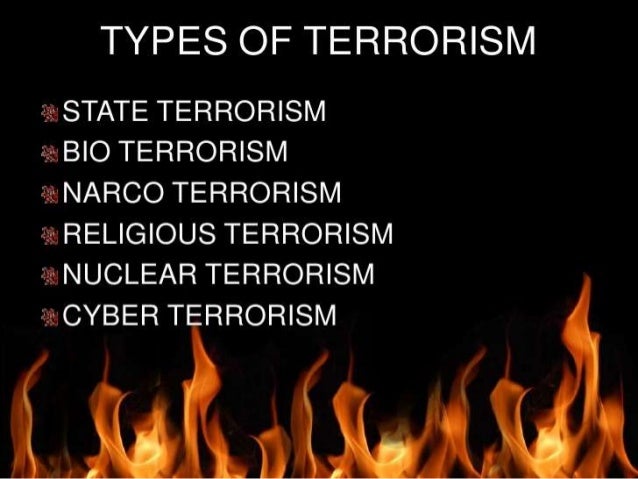
Categories of Terrorist Groups
There are many different categories of terrorism and terrorist groups that are currently in use. These categories serve to differentiate terrorist organizations according to specific criteria, which are usually related to the field or specialty of whoever is selecting the categories. Also, some categories are simply labels appended arbitrarily or redundantly, often by the media. For example, every terrorist organization is by definition "radical", as terror tactics are not the norm for the mainstream of any group.
Separatist. Separatist groups are those with the goal of separation from existing entities through independence, political autonomy, or religious freedom or domination. The ideologies separatists subscribe to include social justice or equity, anti-imperialism, as well as the resistance to conquest or occupation by a foreign power.
Ethnocentric. Groups of this persuasion see race as the defining characteristic of a society, and therefore a basis of cohesion. There is usually the attitude that a particular group is superior because of their inherent racial characteristics.
Nationalistic. The loyalty and devotion to a nation, and the national consciousness derived from placing one nation's culture and interests above those of other nations or groups. This can find expression in the creation of a new nation, or in splitting away part of an existing state to join with another that shares the perceived "national" identity.
Revolutionary. Dedicated to the overthrow of an established order and replacing it with a new political or social structure. Although often associated with communist political ideologies, this is not always the case, and other political movements can advocate revolutionary methods to achieve their goals.
Political. Political ideologies are concerned with the structure and organization of the forms of government and communities. While observers outside terrorist organizations may stress differences in political ideology, the activities of groups that are diametrically opposed on the political spectrum are similar to each other in practice.
Religious. Religiously inspired terrorism is on the rise, with a forty-three percent increase of total international terror groups espousing religious motivation between 1980 and 1995. While Islamic terrorists and organizations have been the most active, and the greatest recent threat to the United States, all of the major world religions have extremists that have taken up violence to further their perceived religious goals. Religiously motivated terrorists see their objectives as holy writ, and therefore infallible and non-negotiable
Social. Often particular social policies or issues will be so contentious that they will incite extremist behavior and terrorism. Frequently this is referred to as "single issue" or "special interest" terrorism. Some issues that have produced terrorist activities in the United States and other countries include animal rights, abortion, ecology/environment, and minority rights.
Domestic. These terrorists are "home-grown" and operate within and against their home country. They are frequently tied to extreme social or political factions within a particular society, and focus their efforts specifically on their nation's socio-political arena.
International or Transnational. Often describing the support and operational reach of a group, these terms are often loosely defined, and can be applied to widely different capabilities. International groups typically operate in multiple countries, but retain a geographic focus for their activities. Hezbollah has cells worldwide, and has conducted operations in multiple countries, but is primarily concerned with events in Lebanon and Israel.
Transnational groups operate internationally, but are not tied to a particular country, or even region. Al Qaeda is transnational; being made up of many nationalities, having been based out of multiple countries simultaneously, and conducting operations throughout the world. Their objectives affect dozens of countries with differing political systems, religions, ethnic compositions, and national interests:
ایک دلچسپ مثال کے ذریعے شدت پسندوں کی تقسیم سمجھنے کی کوشش کریں۔
فرض کر لیں کہ ہم ایک خاندان کے بارے میں بات کر رہے ہیں، ان میں ایک نوجوان ایسا ہے جوجانوروں کے حقوق کا پرزورعلمبردارہے اور ان پر ظلم کرنے والوں کے خلاف ذہن رکھتا ہے۔یہ ایک معتدل طرز فکر ہے ۔
اس نوجوان کا بڑا بھائی بھی بالکل وہی خیالات رکھتا ہے، مگر وہ حیوانات کے ساتھ بے رحمی برتنے والوں کے خلاف تحریک چلا رہا ہے۔ وہ پمفلٹس لکھتا اور لومڑیوں کی دم سے فر کوٹ بنانے والی فیکٹریوں کے باہر مفت بانٹتا ہے ، ان فرکوٹس ، جانوروں کی کھال سے بنائے جانے والے پرس وغیرہ کے بائیکاٹ کی اپیل کرتا ہے وغیرہ ۔ اسے ہم ایکٹو نوجوان سمجھتے ہیں،جو اپنے خیالات کا پرچار کرتا اور اس کے لئے رائے عامہ ہموار کرنے میں جتا رہتا ہے۔
اسی خاندان کا ایک اور نوجوان اس حوالے سے زیادہ تیز اور جارحانہ خیالات کا حامل ہے۔ اس کے خیال میں جانوروں پر ظلم کرنے والے ظالم اور گناہ گار ہیں، ایسے لوگوں کا ایمان بھی خطرے میں ہے اور ان کی شدید مذمت ہونی چاہیے۔ یہ نوجوان سخت گیر فکر کا حامل ہے۔
اس کا ایک بڑا بھائی بھی ویسے سخت گیر خیالات رکھنے کے ساتھ زیادہ سرگرم اور منہ پھٹ ہے۔ وہ جانوروں کی کھالوں کا کاروبار کرنے والے اداروں کے خلاف ریلیاں نکالتا، ان کے دفاتر کے باہر نعرے لگاتا اور برا بھلا کہنے سے بھی گریز نہیں کرتا۔ کیٹیگریز کے مطابق یہ نوجوان ریڈیکل ہے۔
اسی خاندان کا ایک اور شخص ایک قدم آگے بڑھ کر مزاحمت کرتااوربے رحمی حیوانات کا ارتکاب کرنے والوں سے بھڑ جانے سے بھی گریز نہیں کرتا۔ کسی کو تھپڑ مکہ مار دیا ، گالیاں نکالیں اور ہنگامہ کھڑا کر دیا۔ یہ ایک شدت پسند ہے ۔
اس خاندان میں ایک ایسا جوشیلا نوجوان بھی ہے جس نے ایک فیکٹر ی پر گھریلو ساختہ بم سے حملہ کر دیا اور فائرنگ کر کے فیکٹری مالک کو قتل کر دیا۔ یہ دہشت گردہے۔
اب یہ ساری مختلف کیٹیگریز ہیں۔ سخت گیر فکر سے شدت پسندی، ریڈیکل سے دہشت گردی تک ارتکاب کرنے والے مختلف حلقے۔ ان تمام کو ایک ہی طرح سے ڈیل نہیں کیا جا سکتانہ کرنا چاہیے۔ برطانیہ میں سیون سیون کے دھماکوں کے بعد شروع میں شدت پسند ذہن رکھنے والے مسلمانوں پر کریک ڈائون ہوا اور سب کو ایک ہی آنکھ سے دیکھا گیا۔ بعد میں ماہرین نے ریسرچ کر کے یہ نتائج نکالے کہ ان کی الگ الگ کیٹیگری بنا کر الگ الگ ڈیل کیا جائے۔
ریسرچ کے مطابق اس کے امکانات موجود رہتے ہیںکہ کوئی سخت گیر فکر رکھنے والا نوجوان اپنی سوچ کے ارتقائی مراحل میں دہشت گردی تک پہنچ جائے، مگر اس کے بھی قوی امکانات ہیں کہ وہ صرف اپنی اسی کیٹیگری تک ہی محدود رہ جائے بلکہ اسے مکالمہ اورگفتگو سے مزید نرم کر کے ماڈریٹ بنایا جا سکے۔
ایسا ایک تجربہ چند سال پہلے مصر میں کیا گیا۔ حسنی مبارک کے دور میں جیل میں بندمذہبی قیدیوں کے ساتھ ایک مکالمے کے عمل کا آغاز ہوا۔ ان دنوں جیل میں حزب التحریر، اخوان المسلمون، القاعدہ اور بعض شدت پسند تنظیموں کے لوگ قید تھے، ان میںاسامہ بن لادن کے نائب اور آج کل القاعدہ کے سربراہ ایمن الظواہری کی سابقہ تنظیم کے جنگجو بھی شامل تھے۔ انہیں جیل میں کتابیں فراہم کی گئیں۔
اس وقت کے مفتی اعظم مصر شیخ علی جمعہ نے اس مکالمہ میں دلچسپی لی اور قیدیوں کے لئے سہولت کار کے فرائض انجام دئیے۔ کئی ماہ تک یہ مکالمہ چلتا رہا۔ اخوان المسلمون تو خیر ایک جمہوری جماعت ہے جس نے مسلح جدوجہد سے انتہائی مشکل وقت میں بھی گریز کیا ،مگر وہ شدت پسند جنگجو جو پہلے مسلح جدوجہد سے کم کسی بات پر راضی نہیں ہوتے تھے، ان میں بنیادی نوعیت کی تبدیلی آئی اور ایک بڑے حلقے نے آئندہ کے لئے
پرامن جدوجہد کرنے کا اعلان کیا۔
حزب التحریر کے کئی ممتاز لوگوں نے اپنی جماعت چھوڑ دی ، القاعدہ کا ایک حصہ الگ ہوگیا۔ یہ تبدیلی اس قدر بڑی اور نمایاں تھی کہ ایمن الزویری کو خود اس کے خلاف ایک کتاب لکھنی پڑی۔
شیخ الازہر علی جمعہ کا کہنا تھا کہ مکالمہ کے ذریعے ہی ہم تبدیلی لاسکتے ہیں اور یہ ممکن نہیں کہ ایک انتہا پسند اچانک ماڈریٹ ہوجائے ۔ اس میں تبدیلی مرحلہ وار آئے گی۔ شدت پسندی ترک کر نے کے باوجود وہ ایک سخت گیر فکر کا حامل تو رہے گا۔ اسے برداشت کرنا پڑے گا۔ جب سخت گیر فکر کاحامل سسٹم کا حصہ بن جائے تو بتدریج وہ نرم ہوتا جائے گا۔
ہمارے ہاںکالعدم تنظیموں کی اصطلاح وسیع معنوں میں استعمال ہوتی ہے۔ ہر وہ تنظیم جس پر حکومت پابندی لگا دے، وہ کالعدم کہلاتی ہے، مگر یاد رہے کہ ہر کالعدم تنظیم ضروری نہیں کہ ایک ہی سطح کی دہشت گرد تنظیم ہو۔
ان میں سے کچھ سخت گیر فکر رکھنے والی تنظیمیں اور بعض مختلف مسالک کی گمراہی یا تکفیر کی قائل ہیں۔ اب جہاں تک دہشت گرد تنظیموں کا معاملہ ہے، تحریک طالبان پاکستان، لشکر جھنگوی یا وہ مختلف سپلنٹر گروپ جو ریاست اور ریاستی اداروں، شہریوں پر حملہ آور ہوتے ، بے گناہ افراد کی ہلاکت کے خواہاں ہیں، ان کے ساتھ تو کسی قسم کی رعایت نہیں ہونی چاہیے۔ دہشت گرد کسی قسم کی رعایت کے مستحق نہیں ۔ تاہم بعض ایسی کالعدم تنظیمیں ہیں جن کی سخت گیر فکر اور دوسرے مسالک کے لئے ان کے تکفیری رویے کو دیکھتے ہوئے ان پر پابندی لگائی گئی۔ یہ پابندی لگانا درست تھا کہ اس سے ریاست کے عزم اور سخت گیر فکر کے لئے زیرو ٹالرنس کا پتہ چلتا ہے ۔تاہم اس حوالے سے معاملات کو سلیقے سے ہینڈل کرنے کی ضرورت ہے۔
سخت گیر فکر والے لوگ لاکھوں میں ہوسکتے ہیں۔ ان سب کو اٹھا کر سمندر میں نہیں پھینکا جا سکتا۔ ان سب کو جیلوں میں بند کرنا بھی ممکن نہیں۔ اس کے لئے طریقہ کار یہی ہے کہ اہل علم ان کے ساتھ مکالمہ کا آغاز کر یں اور سوچ کی تبدیلی کی کوشش کریں۔
دوسری طرف ان کالعدم تنظیموں میںسے جو لوگ سسٹم کا حصہ بننے کو تیار ہیں، وہ پرامن سیاسی جدوجہد کرنا چاہتے اور الیکشن، جمہوریت، آئین کو تسلیم کر رہے ہیں، ان کی حوصلہ افزائی ہونی چاہیے۔
امریکہ میں ٹرمپ جیسے لوگ اور یورپ میںتارکین وطن کے لئے نفرت آمیز سوچ رکھنے والی انتہائی رائٹ کی سیاسی جماعتوں کو نہ صرف برداشت کیا گیابلکہ اب کئی جگہوں پر اقتدار میں آ رہی ہیں۔
ہمارے ہاں مولانا صوفی محمد اور ان جیسے بے لچک لوگوں پر سب سے بڑا اعتراض بھی یہی تھا کہ یہ ریاست کے آئین ، جمہوری سسٹم اور انتخابات وغیرہ ہی کو نہیں مان رہے تو انہیں کس طرح قبول کیا جائے ؟ یہ اعتراض درست تھا، مگر اب جو لوگ سسٹم کو تسلیم کر کے ، الیکشن لڑنے پر آمادہ ہیں، سیاسی عملیت پسندی انہیں اپنے ماضی کے شدت پسندانہ موقف کو چھوڑ دینے پر مجبور کر رہی ہے، انہیں آنے دینا چاہیے۔
جھنگ سے مولانا حق نواز جھنگوی کے بیٹے کا ایم پی اے بننا خوش آئند ہے، جمعیت علما ئے اسلام جیسی مین سٹریم جماعت کے وہ حصے بنے ہیں، یہ بھی مثبت علامت ہے۔ اسے نیشنل ایکشن پلان کی ناکامی نہیں سمجھنا چاہیے۔
سانحہ کوئٹہ کی تحقیقات کرنے والے کمیشن نے اسلام آباد میں مولانا لدھیانوی کے جلسے کے حوالے سے غیر ضروری حساسیت کا مظاہرہ کیا۔ مولانا لدھیانوی سمیت ایسے بہت سے لوگ ہیں جو سسٹم کا حصہ بن چکے ہیں ۔ ان کے سابق شدت پسند ساتھی اس پر انہیں مطعون کررہے ہیں۔ شدت پسندی سے گریز کرنے والوں کی حوصلہ شکنی کر کے ہم انتہا پسندوں کے ہاتھ مضبوط کریں گے۔
(عامر ہاشم خاکوانی، دنیا ڈاٹ کام)
http://m.dunya.com.pk/index.php/author/amir-khakwani/2017-01-05/18115/52573841
Terrorism and solution? دہشت گردی اور اس کا حل ؟
دہشت گردی ایک اختلافی نظریہ ہے جس کی بہترین وضاحت اس قدیم کہاوت سے ہوتی ہے؛ “ایک شخص کا دہشت گرد دوسرے کے نزدیک آزادی کا مجاہد ہے”...


