Featured Post

National Narrative Against Terrorism دہشت گردی کے خلاف قومی بیانیہ تاریخی فتویٰ ’’پیغام پاکستان‘‘

National Narrative Against Terrorism دہشت گردی کے خلاف قومی بیانیہ تاریخی فتویٰ ’’پیغام پاکستان‘‘ تمام مسالک ک...

Wednesday, October 5, 2016

Radical Salafism: Osama's ideology By Bernard Haykel


Image result for radical salafist ideology

Radical Salafism is the ideology of Osama bin Laden's al-Qaeda organization. Its particular world view can be understood by looking at the roots of this ideology in Islamic intellectual history and by realizing that its teachings have been marginal to and opposed by mainstream Islamic thought.

Muslims in the modern period are either Sunni (90%) or Shi'iah (10%). The distinction pertains to a dispute over the spiritual and political leadership of the Muslim community after the death of Prophet Mohammad (PBUH). In matters of politics, two principles are strongly identified with the Sunnis:

1) they are loath to declare fellow Muslims infidels, a practice called takfir;

2) they prohibit war against Muslim rulers, however tyrannical these may be, so long as Islam remains the religion of state and Islamic law is enforced. Sunnis argue that adherence to these two principles is crucial in order to maintain social order and to avoid warfare amongst Muslims which might lead to the demise of Islam itself.

Osama bin Laden and his followers are Sunni Muslims of the Salafi branch. Salafism is a minoritarian tendency within Islam that dates back to the 9th century - under the name of Ahl al-Hadith - and whose central features were crystallized in the teachings of a 14th century Islamic scholar, Taqi al-Din Ahmad Ibn Taymiyya (d. 1328). Ibn Taymiyya's importance lies in that he was willing to hereticize fellow Muslims who did not share his views and, more important, he declared permissible war against Muslims rulers who did not apply the Shari'ah (he advocated war against the Mongols who had declared themselves to be Muslims but did not apply Islamic law).

Salafism's hallmark is a call to modern Muslims to revert to the pure Islam of the Prophet Muhammad's generation and the two generations that followed his. Muslims of this early period are referred to as al-Salaf al-Salih (the pious forefathers) whence the name Salafi. Salafism's message is utopian, its adherents seeking to transform completely the Muslim community and to ensure that Islam, as a system of belief and governance, should eventually dominate the globe.

Salafis are not against technological progress nor its fruits; they do, however, abhor all innovations in belief and practice that are not anchored in their conception of the pristine Islamic age. They refer to such reprehensible innovations as Bid'a, a term of deligitimization in Islamic law or the Shari'ah.

According to the Salafis, Muslims can only be certain that they are not practising reprehensible innovations if they adhere to a strictly literal interpretation of the sources of revelation, and those are the Qur'an and the Sunna (the Sunna is the practice of Prophet Mohammad and can be found exclusively in the canonical collections of accounts of his sayings and doings (hadith)). Salafis claim to be the only Muslims capable of providing this literal interpretation; all other Muslims would therefore be - to a lesser or greater extent - deviant innovators.

Another salient feature of Salafism is an obsession with God's oneness while condemning all forms of polytheism (shirk) and unbelief (kufr). Certain Sufi practices (Sufis are mystics of Islam), such as visiting the graves of great Sufi masters, are condemned by the Salafis as diminishing true belief in Allah. The world, according to the Salafis, is unequivocally divided between the domains of belief (iman) and unbelief, and it is incumbent on Muslims to be certain that they remain in the domain of belief.

This they can do only if they are Salafis. Nothing less than eternal salvation is at stake. The Salafi world view is rigid and Manichaean. In its radical form Salafism leads to the practice of takfir. This is exactly what Osama bin Laden did in his November 4 statement: Muslims who are not with him are, by definition, infidels.

The mantle of Ibn Taymiyya's teachings was most famously taken up by a movement in central Arabia in the 18th century. Known to its enemies as the Wahhabi movement,  whose adherents called themselves the Muwahhidun (The believers in the oneness of God). The Wahhabi's had a powerful reformist message and were able to galvanize the tribes of central Arabia into a powerful military period.

So great was their zeal to focus all the belief and religious practices of fellow Muslims on God alone, that the Wahhabis destroyed in 1805 tombs in Medina, including a failed attempt at destroying the cupola over the tomb of Prophet Muhammad.

Such excesses, including the declaration of fellow Muslims to be infidels whose blood could be shed, horrified the wider Muslim world leading the Ottoman Sultan to send an Egyptian military force and destroy the fledgling Wahhabi state. This was accomplished in 1818. The example the Wahhabi sect, however, left an indelible mark on the world of Islam and the like-minded would look to their experience as a model to be emulated.

King Abd al-Aziz ibn Sa'ud, commonly known as Ibn Sa'ud, the founder of the present Saudi kingdom, based his rule and conquests on Salafi doctrine, and this remains the ideology of Saudi Arabia today. But Ibn Sa'ud realized quickly that embedded in this ideology was the potential for radical extremism and he vanquished militarily his own radicals, otherwise known as the Ikhwan, in 1930.

The radical Salafis raised their heads again in November 1979 when one of their leaders, Juhayman al-Utaybi, led a revolt in Makkah that seized control of the Great Mosque for two weeks. As they had done in 1930, the Saudi authorities attacked al-Utaybi and his followers, killing every last one in a bloody battle in the Makkan sanctuary.

However, it is important to know two features that distinguish the official Salafism of the Saudi kingdom from the teachings of these radical Salafis. The Saudis believe that: 1) war against an Islamic ruler is not permitted, and 2) declaring fellow Muslims to be infidels is also not permitted. For this reason, the Saudi minister of Islamic Affairs stated on October 19, in the aftermath of the WTC attacks, that "obedience to Islamic rulers is obligatory for Muslims."

A principal reason radical Salafis like Osama bin Laden advocate violence against the Saudi state and the United States relates to the presence of US troops on Saudi soil. By permitting this, Osama says the Saudis are no longer adhering to Islamic law and consequently war against them is permissible. Osama bin Laden bases his claim about the illegality of the presence of US troops on a statement of Prophet Mohammad in which the Prophet says: "Expel the polytheists from the Arabian peninsula."

Literally understood, the injunction is clear. Non-Salafis, i.e., the vast majority of Muslims, disagree with Osama's judgement. The non-Salafis counter with another statement of the Prophet in which he says: "Expel the Jews of Hijaz from the peninsula of the Arabs." The reference to the Jews is to be read as a synecdoche  (for non-Muslims: Hijaz is a region of Arabia and this second Prophetic statement narrows the more general first statement. In other words, non-Muslims are permitted to reside in Arabia, but not in Hijaz, the region of the twin sanctuaries of Makkah and Medina.)

Such differences in abstruse legal opinions, however, do not explain Osama bin Laden's massive appeal among Muslims today. It is his genius at manipulating images and symbols, as well as his ability to tap into a wellspring of legitimate Muslim and Arab resentment of US foreign policies, that explains his success. Muslims live under the yoke of authoritarian regimes - regimes that have succeeded in destroying the fabric of traditional Muslim education and networks of knowledge and socialization.

Most Muslims therefore do not appreciate or understand legal arguments like the one stated above. What Muslims react to enthusiastically is Osama's role as a leader and symbol of Muslim resistance to domestic and western oppression. This reaction is fuelled by a century of arguments promoted by the Arab regimes that all the problems of the Arab and Muslim worlds are due to foreign intrigue, and are not because of any policies or actions of the Arab and Muslim leaders themselves. This reasoning explains, for example, the eagerness with which so many Arabs and Muslims have accepted the conspiratorial theories that the attacks of September 11 were the work of Jews and Zionists.

Thus far, moderate Sunni Muslims have been reluctant to condemn Osama bin Laden in light of the events of September 11. This is a consequence of the quiescent political culture Sunnis subscribe to: pointing fingers at fellow believers might lead to a state of chaotic disorder they fear most. Moreover, the present conflict involves unbelievers and Muslims prefer not to air their differences in public. Another reason for this conspicuous silence is that moderates feel the evidence Osama bin Laden in the attacks has not been provided by the US government.

Finally, the fear of violent retaliation by the radical Salafis has kept many silent. Moderate Muslims, many of whom have been and continue to be oppressed by Arab and Muslim governments, do exist and must be encouraged to take centre stage. We can take heart from the fact that most Muslims have not heeded Osama's call to kill innocent Americans wherever and whenever they find them.

In short, the battle being waged today is at heart an internal Islamic one and may take a very long time to end. It is part of a larger battle about the very nature of Islamic society and politics, and one in which there are many sides (moderate Muslims, state-sponsored Muslims, radical and moderate Salafis, secular nationalists, and Shi'ah

The writer teaches Islamic law at New York University
  
Copyright Notice
This article is copyright 2001 DAWN, and may be redistributed provided that the article remains intact, with this copyright message clearly visible. This article may not under any circumstances be resold or redistributed for compensation of any kind without prior written permission from DAWN. If you have any questions about these terms, or would like information about licensing materials from DAWN, please contact us via telephone: +92 (21) 111-444-777, +92 (21) 567-0001 or email: webmaster@dawn.com

DAWN is located on the World Wide Web at http://dawn.com

This entire Website including all its contents, graphical images and other elements are the intellectual property of the Pakistan Herald Publications Ltd. (P.H.P.L.) - publishers of the DAWN newspaper.

This site is for use by individuals and may not be used for any commercial purposes. No part of this site may be redistributed or otherwise published without written consent of P.H.P.L.


Manichaen: a believer in religious or philosophical dualism
the vast majority: i.e. of the entire Muslim population, Salafi's comprise less than 1% of them

synecdoche: a figure of speech by which a part is put for the whole (as fifty sail for fifty ships), the whole for a part (as society for high society), the species for the genus (as cutthroat for assassin), the genus for the species (as a creature for a man), or the name of the material for the thing made (as boards for stage)

"massive" (sic). We hardly think bin Laden has "massive" appeal. We disagree with the author here. 

Related :

Jihad, Extremism

    Saturday, October 1, 2016

    اَہْلُ السُّنَّۃ وَالْجَمَاعَۃ‘‘ کون؟ Who are real Sunni Muslim? Salafi, Wahabi, ISIS, Daesh Excluded

    اہل  سنت  والجماعت انٹرنیشنل  کانفرنس  چیچنیا گروزنی  میں  داعیش ، اور اس طرح کے دشت گرد  جتھوں  سے  لا تعلقی  کا  اعلان  کر دیا -
    Image result for SUNNI CONFERENCE IN GROZNY:

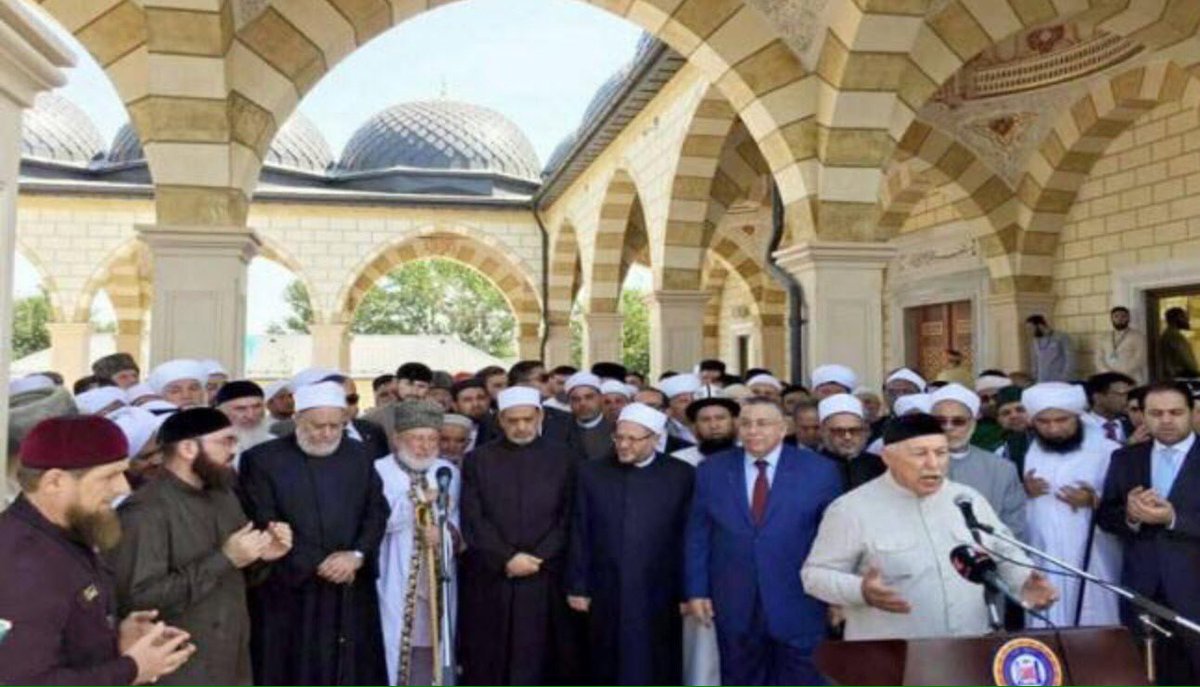
    Over 200 Sunni scholars from around the world accepted the invitation of Yemeni Sufi preacher, Alhabib Ali al-Jafri, to attend a conference in Grozny, the capital city of the Chechen Republic, Russia on 25-27 August 2016. The aim of the conference was to define the term “Ahl al-Sunna wa’l-Jama‘ah”, which is often used to describe an umbrella under which an assortment of Muslim sects stand and each claims a legitimacy to represent the true interpretation of Islam via the following of the sunna (tradition) of Prophet Muhammad. Among the notable personalities in the conference was a very high level delegation from Egypt, headed by the Grand Imam of al-Azher, Dr. Ahmed al-Tayyib, who gave a speech on the first day of the conference. The Egyptian delegation also included the former Grand Mufti of Egypt, Shaykh Ali Gum‘a, The current Grand Mufti, Shaykh Shawqi Allam, and, to make it even more official, a high government religious affairs representative, Shaykh Ousama al-Azhari. There was also the Grand Mufti of Syria, and a number of popular intellectuals such as Dr. Adnan Ibrahim.  Important was deliberate exclusion of Saudi Arabia from the conference. The conveners of the conference on identifying who the true Sunnis are made it clear that Saudi scholars and their Wahhabi version of Islam were not invited and not welcome to attend. Also excluded were all Salafis, the Muslim Brotherhood, and all terrorist groups that use violence in the name of Islam. To add insult to the injury, the conference, having excluded the Wahhabis and Salafis from the Sunni community, declared in its final communiqué the inclusion of Sufis, Ash‘aris and Maturidis – all of whom are disputed by Wahhabis and Salafis as true Sunnis. They disassociated from ISIS, DAesh and militant terrorist groups using nam of Sunnis falsely.....
     The agenda was to take an uncompromising stand against the growing Takfiri terrorism that is playing havoc across the world. The globally renowned Sunni Islamic scholars and clergy unanimously took a stand that the Takfiri terrorists, who loudly claim to belong to 'Sunni' Islam, are not from among the Ahlus Sunnah (the Islamic terminology for the mainstream Sunni Muslims in the world). Keep reading >>>>

    Image result for SUNNI CONFERENCE IN GROZNY:
    انحرافی فکر کا فتنہ ہر دور میں سر اٹھاتا رہا ہے ،یہ لوگ ہردور میں اپنی فکر کو قرآن وسنت کی طرف منسوب کرکے صحیح مَنہَجِ علمی کو مٹانے کی کوشش کرتے رہے ہیں- ان کی وجہ سے عام لوگوں کا امن وسکون غارت ہوجاتا ہے ،ایسی ہی گمراہ فکر کے حاملین قدیم دور کے خوارج تھے جن کاتسلسل ہمارے عہد کے وہ خوارج ہیں جو اپنے آپ کو سَلَفیت کی طرف منسوب کرتے ہیں اور مسلمانوں کی تکفیر کرتے ہیں ۔ داعش اور اُن کی انتہا پسندانہ فکر کی حامل ساری تنظیموں میں یہ چیز بھی مشترک ہے کہ وہ دین کی مُسَلَّمہ اور مُتفقہ تعلیمات میں تحریف کرتے ہیں ، انتہا پسند ہیں ،جہالت پر مبنی باطل تاویلات کو دین سے منسوب کرتے ہیں ،اس کے نتیجے میں مسلمانوں میں فکری انتشار پیدا ہوتا ہے۔ اِن باطل تاویلات کے بَطن سے تکفیری اور تباہ کُن فکر،خوں ریزی اور تخریب وفساد جنم لیتا ہے اور اسلام کا نام بدنام ہوتا ہے۔اِن کی برپاکردہ جنگوںاور حق سے تجاوز کا تقاضا ہے کہ دینِ حنیف کے حاملین برملا اِن سے برائت کا اعلان کریں اور یہ رسول اللہﷺ کی اس حدیث کا مصداق ہوگا:''بعد میں آنے والوں میں سے اس دین کے حامل وہ انتہائی منصف مزاج علماء ہوں گے، جواِس دین کو انتہا پسندوں کی تحریف ، باطل پرستوں کی بے اصل باتوں اور جاہلوں کی تاویلوں سے پاک کریں گے،(شرح مشکل الآثار:3884) ‘‘۔
    اللہ تعالیٰ کے فضل وکرم سے یہ کانفرنس ایسا سنگِ میل ثابت ہوگی جو اِلحادی فکر کی اصلاح کرے گی اور انتہا پسندوں کے باطل اجتہاد ات وتاویلات کے ذریعے اھل السّنّۃ والجماعۃ کے لیے جو خطرات پیدا ہوچکے ہیں ،اُن سے نجات کا باعث ہوگی۔اس کا احسن طریقہ یہ ہے کہ ہماری بڑی درس گاہوں میں اس اِنحرافی فکر کو رد کرنے کے لیے مضبوط علمی استدلال کا طریقہ اختیار کیا جائے اورتکفیر اور انتہاپسندی سے نجات پانے کے لیے امن وسلامتی کے اسلامی پیغام کو پورے عالَمِ انسانیت کے لیے عام کیا جائے تاکہ ہمارے ممالک سب کے سب ہدایت کے سرچشمے اور مَنارۂ نور بنیں -

    --------------------------------------

    ’’اَہْلُ السُّنَّۃ وَالْجَمَاعَۃ‘‘ کون؟

    25تا27اگست 2016ء کو ریاستِ چیچنیا کے دارالحکومت ''گروزنی‘‘میں علمائے اسلام کی ایک عالمی کانفرنس''اَلْمُؤْتَمَرُ الْعَالَمِی لِعُلَمَائِ الْمُسْلِمِیْن‘‘ منعقد ہوئی۔اس کانفرنس کاموضوع تھا:''مَنْ ھُمْ اَھْلُ السُّنَّۃ وَالْجَمَاعَۃ ؟‘‘،یعنی ''اَہلُ السُّنَّۃ والجماعۃکون ہیں؟‘‘،بالفاظِ دیگر اہلُ السُّنَّۃ والجماعۃ کی متفقہ تعریف مقصود تھی۔اس کانفرنس میں شیخ الازہر ڈاکٹر محمد احمد الطیب ، جامعہ الازہر کے ریکٹر شیخ ابراہیم،مفتی اعظم چیچنیا شوکی الیَم،ڈاکٹر شیخ سعید عبداللطیف فُودہ (اردن)، شیخ الحبیب علی الجُفری (یمن)، شیخ ابوبکر (کیرالہ،انڈیا) اور دیگر علمائے کِبار شریک تھے۔چیچنیا کے صدر رمضان قدیروف نے اس کانفرنس کی صدارت کی ۔ کانفرنس کی قرارداد اور اعلامیہ حسبِ ذیل ہے :
    اہل السنۃ والجماعۃ اعتقادی یعنی کلامی مسائل میں اَشاعِرہ (جو امام ابوالحسن الاشعری کی طرف منسوب ہیں)،ماتُریدیہ (جو امام ابومنصور ماتریدی کی طرف منسوب ہیں)اور ''اَھْلُ الْحَدِیْثِ الْمُفَوِّضَہ‘‘شامل ہیں (یعنی وہ اہلِ حدیث جو اعتقادی مسائل میں صفاتِ الٰہی سے متعلق آیاتِ متشابہات پر ایمان لاتے ہیں اور اُن کے مرادی یا حقیقی معنی کو اللہ تعالیٰ کے علم کی طرف تفویض کردیتے ہیں،یعنی وہ ان الفاظ کے ظاہری معنی مراد نہیں لیتے ۔ان آیاتِ متشابہات میں اللہ تعالیٰ کے لیے ''یَدْ،وَجْہ،ساق، نفس، عَین اور جہت وغیرہا‘‘ کلمات آئے ہیں ۔پس جن اہلِ حدیث نے اِن کلمات کو اعضاء وجوارح (Organs)کے معنی میں لیا ہے، اس کانفرنس کی قرارداد کی رُو سے انہیں ''اہلُ السُّنَّۃ والجماعۃ‘‘ سے خارج قرار دیا گیا ہے، اس فکر کے حاملین کو علمائے علم الکلام نے ''مُجَسِّمین‘‘ سے تعبیر کیا 
    ہے)۔ ان میں چار فقہی مذاہب کے ماننے والے حنفیہ ،مالکیہ، شافعیہ اور حنابلَہ شامل ہیںاور ان کے علاوہ سید الطائفہ امام جُنید اورعلم ،اَخلاق اور تزکیہ میں اُن کے طریقِ اصلاح کے حامل ائمّہ ھُدیٰ شامل ہیں۔یہ علمی مَنہَج اُن علوم کا احترام کرتا ہے جو، وحیِ ربّانی کو سمجھنے کے لیے خادم کا درجہ رکھتے ہیں اور نفس وفکر کی اصلاح ،دین کو تحریف اور بے مقصد باتوں سے محفوظ رکھنے اور اموال اور آبرو کی حفاظت اور نظامِ اخلاق کی حفاظت کرنے میں ،اس دین کی اَقدار اور مقاصد کو واضح کرتے ہیں۔
    قرآنِ کریم کی حدود ہیںاور یہ تمام دینی علوم اس معنی میں بطورِ خادم اُس کا احاطہ کیے ہوئے ہیںکہ جو اُس کے معنی ومراد کو سمجھنے میں مددگار ہوتے ہیں اورحیات ،تمدُّن ،آداب واخلاق ،رحمت وراحت ،ایمان وعرفان اور دنیا میں امن وسلامتی کے فروغ سے متعلق قرآن میں ودیعت کیے ہوئے اِن علوم کا استخراج (Deduction) کرتے ہیں اور اِس کے سبب اقوامِ عالَم ،مختلف طرزِ بودوباش رکھنے والوں اورمختلف تہذیب وتمدُّن کے حاملین پر یہ واضح ہوتا ہے کہ یہ دین تمام جہانوں کے لیے رحمت ہے اور دنیا اور آخرت کی سعادت کا باعث ہے ۔
    اَھْلُ السنّۃ والجماعۃ کامَنْہَج تمام مَناہِجِ اسلام میں سے زیادہ جامع ،زیادہ ثِقہ ،زیادہ مضبوط ، علمی کُتب اور تدریس کے اعتبار سے شرعِ شریف کے مقاصدکے ادراک اور عقلِ سلیم کے لیے صحیح تعبیر کا حامل ہے اور تمام علوم اورحیاتِ انسانی کے تمام شعبوں میں بہترین ربط اور حسنِ تعلق کا آئینہ دار ہے۔اَہل السّنّہ والجماعہ کی علمی درس گاہوں نے صدیوں سے ہزاروں عُلَماء اورفُضَلاء پیدا کیے ہیں جو سائبیریا سے نائجیریا تک اور طنجہ(جبرالٹر کے بالمقابل مراکش کاساحلی شہر) سے جکارتا تک پھیلے ہوئے ہیں اور اِفتاء، قَضاء، تدریس اورخطابت کے شعبوں میں اعلیٰ ترین مناصب پر فائز رہے ہیں ۔اِن کی برکت سے انسانی معاشرت کو امان ملی ،فتنوں اور جنگوں کی آگ بجھی ،ممالک میں قرار وسکون آیا اور علم وعلوم کی اشاعت ہوئی۔
    اَھل السنّۃ والجماعۃ اپنی پوری تاریخ میں اسلام کی صحیح تعبیر کر کے انحرافی فکر سے اِس کی حفاظت کرتے رہے ہیں ،وہ مختلف فرقوں کے نظریات اور مفاہیم کا جائزہ لیتے ہیں اور اُن کے لیے علم، نقد وجرح اورثبوت کے معیارات مقرر کرتے ہیں ،اِلحاد وانحراف کی کوششوں کا سدِّ باب کرتے ہیں ،تحقیق وتنقیح کے شِعار کے ذریعے خطا وصواب میں امتیاز کرنے کے لیے علوم کی ترویج کرتے ہیں ۔انہی کے منہَجِ علمی کے فروغ کے باعث انتہا پسندی کا سدِّ باب ہوااور امتِ محمدیہ کے تمدُّن کو فروغ ملا ۔اسی طبقے میں اسلام کے وہ عَبقری علماء پیدا ہوئے، جنہوںنے الجبرا،ریاضی، جیومیٹری، لوگارتھم، انجینئرنگ ،طب و جراحت، فارمیسی، حیاتیات، ارضیات، کیمیا، طبیعیات، فلکیات ،صوتیات وبصریات اور دیگر علوم میں کارہائے نمایاں انجام دیے ہیں ۔
    انحرافی فکر کا فتنہ ہر دور میں سر اٹھاتا رہا ہے ،یہ لوگ ہردور میں اپنی فکر کو قرآن وسنت کی طرف منسوب کرکے صحیح مَنہَجِ علمی کو مٹانے کی کوشش کرتے رہے ہیں،ان کی وجہ سے عام لوگوں کا امن وسکون غارت ہوجاتا ہے ،ایسی ہی گمراہ فکر کے حاملین قدیم دور کے خوارج تھے جن کاتسلسل ہمارے عہد کے وہ خوارج ہیں جو اپنے آپ کو سَلَفیت کی طرف منسوب کرتے ہیں اور مسلمانوں کی تکفیر کرتے ہیں ۔ داعش اور اُن کی انتہا پسندانہ فکر کی حامل ساری تنظیموں میں یہ چیز بھی مشترک ہے کہ وہ دین کی مُسَلَّمہ اور مُتفقہ تعلیمات میں تحریف کرتے ہیں ، انتہا پسند ہیں ،جہالت پر مبنی باطل تاویلات کو دین سے منسوب کرتے ہیں ،اس کے نتیجے میں مسلمانوں میں فکری انتشار پیدا ہوتا ہے۔ اِن باطل تاویلات کے بَطن سے تکفیری اور تباہ کُن فکر،خوں ریزی اور تخریب وفساد جنم لیتا ہے اور اسلام کا نام بدنام ہوتا ہے۔اِن کی برپاکردہ جنگوںاور حق سے تجاوز کا تقاضا ہے کہ دینِ حنیف کے حاملین برملا اِن سے برائت کا اعلان کریں اور یہ رسول اللہﷺ کی اس حدیث کا مصداق ہوگا:''بعد میں آنے والوں میں سے اس دین کے حامل وہ انتہائی منصف مزاج علماء ہوں گے، جواِس دین کو انتہا پسندوں کی تحریف ، باطل پرستوں کی بے اصل باتوں اور جاہلوں کی تاویلوں سے پاک کریں گے،(شرح مشکل الآثار:3884) ‘‘۔
    اللہ تعالیٰ کے فضل وکرم سے یہ کانفرنس ایسا سنگِ میل ثابت ہوگی جو اِلحادی فکر کی اصلاح کرے گی اور انتہا پسندوں کے باطل اجتہاد ات وتاویلات کے ذریعے اھل السّنّۃ والجماعۃ کے لیے جو خطرات پیدا ہوچکے ہیں ،اُن سے نجات کا باعث ہوگی۔اس کا احسن طریقہ یہ ہے کہ ہماری بڑی درس گاہوں میں اس اِنحرافی فکر کو رد کرنے کے لیے مضبوط علمی استدلال کا طریقہ اختیار کیا جائے اورتکفیر اور انتہاپسندی سے نجات پانے کے لیے امن وسلامتی کے اسلامی پیغام کو پورے عالَمِ انسانیت کے لیے عام کیا جائے تاکہ ہمارے ممالک سب کے سب ہدایت کے سرچشمے اور مَنارۂ نور بنیں ۔
    یہ تفصیلات میں نے سہل انداز میں بیان کرنے کی کوشش کی ہے تاکہ امتِ مسلمہ میں عالَمی سطح پر جو اضطراب ہے ، تمام مذہبی طبقات کو اس کا صحیح ادراک ہوجائے ۔میری دانست میں اِس کی ضرورت، دورِ حاضر میں بعض لوگوں کے خود وضع کیے ہوئے جہادی اور تکفیری کلچر کے نتیجے میں، محسوس کی گئی ہے ،کیونکہ اس تخریب وفساد کا نشانہ سب سے زیادہ خود مسلم ممالک بن رہے ہیں ۔اس کانفرنس کے اعلامیے سے روس اور ایران کی دلچسپی شام کے حالات کے تناظر میں واضح ہے اور چیچنیا میں بھی کسی نہ کسی سطح پر جہادی فکر موجود ہے،اگرچہ جوہر دودائیف کے زوال کے بعد اسے دبادیا گیا ہے۔حال ہی میں ایک امریکی پروفیسر عمر نے بتایا کہ خلیفہ کے لیے قرشی ہونے کی شرط کے سبب داعش کے لوگ افغان طالبان کے امیر کی بیعت سے کنارہ کش ہوگئے ہیں۔سعودی عرب کے علماء جو ایک وقت میں اس تصورِ جہاد کے حامی تھے اور وہاں سے اِن گروہوں کو اعانت بھی مل رہی تھی ،اب وہ برملا اِس سے برائت کا اعلان کر رہے ہیں اوراس طبقے کوتکفیری اور خارجی قرار دے رہے ہیں۔ضرورت اس امر کی ہے کہ گروزنی کی اس عالمی کانفرنس کو اختلاف کی خلیج کو وسیع کرنے کے لیے استعمال نہ کیا جائے بلکہ سعودی عرب سمیت تمام علمائے امت کو اِس سے استفادہ کرتے ہوئے دین کے مُسلَّمہ اور مُشتَرکہ اصولوں پر اجماع کے قیام کے لیے استعمال کیا جائے۔سعودی عرب جو اپنے دینی نظریات کے فروغ کے لیے بے پناہ سرمایہ خرچ کرتا تھا،اب وہ خود اِن فسادیوں کے نشانے پر ہے ۔لہٰذا انہیں اب یہ مصارف دین اور امت کی وحدت کے لیے استعمال کرنے چاہییں اور امت میں تفریق کے اسباب کو دور کرنے کی کوشش کرنی چاہیے تاکہ حقیقی معنی میں اتحادِ امت کا خواب اپنی تعبیر کو پاسکے ۔
    See more at: 
    1. http://m.dunya.com.pk/index.php/author/mufti-muneeb-ul-rehman/2016-10-01/17013/43489424#sthash.076RTipP.dpuf
    2. http://m.huffingtonpost.in/entry/the-sunni-conference-at-grozny-muslim-intra-sectarian_us_57d2fa63e4b0f831f7071c1a
    3. http://www.firstpost.com/world/islamic-conference-in-chechnya-why-sunnis-are-disassociating-themselves-from-salafists-2998018.html

    Related 

    Jihad, Extremism

      Sunday, August 7, 2016

      What are terrorists made of?


      According to a recent feature in Scientific America, the US Homeland Department has dished out $12 million to a research facility which investigates the origins, dynamics and psychological impact of terrorism.

      The facility, staffed by more than 30 experienced scientists, is called Study of Terrorism & Response to Terrorism (START).

      According to Scientific America: “Whereas earlier researchers focused on the political roots of terrorism, many of today’s investigators are probing the psychological factors that drive adherents to commit deadly deeds …”

      START is now concentrating on trying to figure out the minds of persons who are willing to cause indiscriminate carnage and maximum deaths (including their own) for what they believe is a cause close to their faith. Such a person does not see it as an act of terror, but, rather, an expression of their theological conviction.

      In the past, a majority of studies in this context have been more inclined to treat such men and women as consequences of systematic brainwashing and even mental illness.

      Recent studies suggest that terrorist outfits usually tend to screen out mentally unstable recruits and volunteers because their instability is likely to compromise the mission and expose their handlers.
      Even though these two factors are still being investigated, the most recent studies on the issue emanating from research facilities such as START suggest that most of the terrorists might actually be mentally stable; even rational.

      Summarising the results of the recent studies, Scientific America informs that “the vast majority of terrorists are not mentally ill but are essentially rational people who weigh the costs and benefits of terrorist acts, concluding that terrorism is profitable.”

      By profitable they mean an act of terror which, in addition to being financially favourable to the perpetrator (or to his or her family which gets looked after if the person is killed); is also an act which is perceived by the person to be beneficial to his or her sense and perception of their spiritual disposition.

      What’s more, recent studies suggest that terrorist outfits usually tend to screen out mentally unstable recruits and volunteers because their instability is likely to compromise the mission and expose their handlers.

      The studies also propose that even though economic disadvantages do play a role in pushing a person to join a terror outfit out of anger or desperation, this is not always the case.

      Forensic psychiatrist Marc Sageman of the University of Pennsylvania, carried out an extensive survey of media reports and court records on 400 ‘extremists.’ He determined that “these individuals were far from being brainwashed, socially isolated, hopeless fighters; 90 per cent of them actually came from caring, intact families; and 63 per cent of these had gone to college.”

      There is another interesting query that the researchers are trying to investigate: why were terrorists during the Cold War more constrained in their acts than the ones which emerged after the end of that conflict?

      Studies suggest that a majority of significant terror groups during the Cold War were driven by nationalistic or communist impulses. Modern religious terrorism largely emerged from the 1990s onward.

      Interestingly, despite the fact that Cold War terrorists did not hesitate to kill perceived enemies, they were, however, overtly conscious of how their acts would be perceived by popular opinion and the media.

      For example, militant left-wing outfits in Europe, and even some factions of Palestinian guerrilla organisations (in the late 1960s and 1970s), would often abort attacks in which they feared casualties of innocent bystanders could mount.

      This is not the case anymore. It seems, today, the old concern of being perceived as an indiscriminately brutal outfit has actually become the purpose. Terrorists now actually want to be perceived in this manner.

       What are terrorists made of?
      by Nadeem F. Paracha, dawn.com

      Related :

      Jihad, Extremism

        Saturday, July 9, 2016

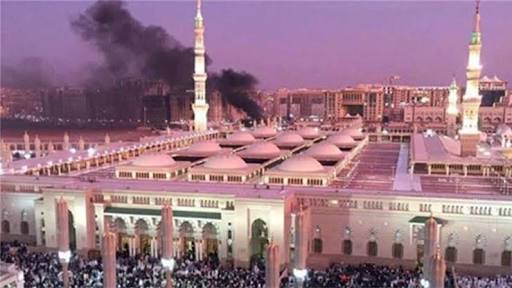
        Takfiri Khwarij Terror Attack Holy Prphet's Mosque خارجی حرم رسولؐ میں بھی

        بِسْمِ اللَّـهِ الرَّحْمَـٰنِ الرَّحِيمِ
        يَا أَيُّهَا الَّذِينَ آمَنُوا لَا تُقَدِّمُوا بَيْنَ يَدَيِ اللَّـهِ وَرَسُولِهِ ۖ وَاتَّقُوا اللَّـهَ ۚ إِنَّ اللَّـهَ سَمِيعٌ عَلِيمٌ ﴿١ يَا أَيُّهَا الَّذِينَ آمَنُوا لَا تَرْفَعُوا أَصْوَاتَكُمْ فَوْقَ صَوْتِ النَّبِيِّ وَلَا تَجْهَرُوا لَهُ بِالْقَوْلِ كَجَهْرِ بَعْضِكُمْ لِبَعْضٍ أَن تَحْبَطَ أَعْمَالُكُمْ وَأَنتُمْ لَا تَشْعُرُونَ ﴿٢ إِنَّ الَّذِينَ يَغُضُّونَ أَصْوَاتَهُمْ عِندَ رَسُولِ اللَّـهِ أُولَـٰئِكَ الَّذِينَ امْتَحَنَ اللَّـهُ قُلُوبَهُمْ لِلتَّقْوَىٰ ۚ لَهُم مَّغْفِرَةٌ وَأَجْرٌ عَظِيمٌ ﴿٣ إِنَّ الَّذِينَ يُنَادُونَكَ مِن وَرَاءِ الْحُجُرَاتِ أَكْثَرُهُمْ لَا يَعْقِلُونَ ﴿٤الحجرات

        اے لوگو جو ایمان لائے ہو، اللہ اور اس کے رسول کے آگے پیش قدمی نہ کرو اور اللہ سے ڈرو، اللہ سب کچھ سننے اور جاننے والا ہے (1) اے لوگو جو ایمان لائے ہو، اپنی آواز نبیؐ کی آواز سے بلند نہ کرو، اور نہ نبیؐ کے ساتھ اونچی آواز سے بات کیا کرو جس طرح تم آپس میں ایک دوسرے سے کرتے ہو، کہیں ایسا نہ ہو کہ تمہارا کیا کرایا سب غارت ہو جائے اور تمہیں خبر بھی نہ ہو (2)جو لوگ رسول خدا کے حضور بات کرتے ہوئے اپنی آواز پست رکھتے ہیں وہ در حقیقت وہی لوگ ہیں جن کے دلوں کو اللہ نے تقویٰ کے لیے جانچ لیا ہے، اُن کے لیے مغفرت ہے اور اجر عظیم (3)اے نبیؐ، جو لوگ تمہیں حجروں کے باہر سے پکارتے ہیں ان میں سے اکثر بے عقل ہیں(49:4 )

        لوگو! سارا قرآن پڑھ جائو۔ احادیث کی کتابیں مطالعہ میں لے آئو۔ اسلام مخالف گروہوں کو جہنم سے ڈرایا گیا‘ مکہ کے بُت پرست مشرکوں کو جہنمی بتلایا گیا۔ فرعون‘ ابوجہل اور ابولہب بھی جہنم میں جائیں گے مگر یہ سب انسان تھے، اپنی انسانی شکلوں کے ساتھ جہنم میں جائیں گے۔ 
        ان انسانوں کے درمیان جہنم میں جانے والا ایک ایسا گروہ بھی ہے جو مسلمانوں کے اندر سے برآمد ہوا ہے۔ اس گروہ کے لوگ داڑھیاں رکھتے ہیں‘ نمازیں پڑھتے ہیں‘ قرآن کی تلاوت خوب کرتے ہیں‘ اللہ پر توکل بہت کرتے ہیں مگر یہ ہیں جہنمی...اللہ اللہ! یہ ایسے جہنمی ہیں جو فرعون‘ ابوجہل اور ابولہب کی طرح اپنی انسانی شکلوں کے ساتھ جہنم میں نہیں جائیں گے۔کیوں؟ اس لیے کہ یہ خارجی اور تکفیری ہیں‘ یہ کلمہ پڑھنے والے مسلمانوں کو غیر مسلم نہیں بلکہ مرتد قرار دیتے ہیں۔ اگر یہ غیر مسلم قرار دیتے‘ کافر کہنے تک ہی محدود رہتے تو مسلمانوں کا قتل نہ کرتے۔ انہوں نے مسلمان حکمرانوں اور ان کی رعایا کو مرتد قرار دیا اور پھر ان کو قتل کرنے لگ گئے۔ 
        ایسے لوگوں کو اللہ کے رسولؐ نے ''خوارج‘‘ قرار دیا ہے اور ان کے بارے میں واضح کر دیا کہ ''خارجی لوگ جہنم کے کتّے ہیں‘ (ابن ماجہ۔ صحیح۔)
         یعنی یہ جہنم میں جائیں گے تو کتّے کی شکل میں بھونکتے ہوئے جہنم میں جائیںگے۔ ان بدبختوں کے لیے میرے پُر رحمت رسولؐ گرامی کا سخت ترین انتباہ اس لیے ہے کہ یہ بے گناہ انسانوں پر بھونکتے ہیں‘ کلمہ پڑھنے والے مسلمانوں کو کاٹ کھاتے ہیں۔
         جس طرح ان کے بڑے عبدالرحمان ابن ملجم ملعون نے حضرت علیؓ پر مسجد میں حملہ کیا تھا‘ اسی طرح یہ آج بھی مسجدوں کو نشانہ بناتے ہیں۔ کوفہ کی مسجد کے امام حضرت علیؓ پر حملہ کرنے والے مسجدوں‘ عید گاہوں اور سکولوں پر حملے کرنے کے بعد اب میرے حضورؐکی مسجد کی جانب چل کھڑے ہوئے ہیں۔ جو بدبخت حرم نبویؐ میں‘ میرے حضورؐ کے حرم مدینہ میں بھونکنے کا ارادہ کر لے اس کے کتّا ہونے میں کیا شک رہ گیا! کتّے کی شکل میں جہنمی بننے میں کیا شبہ رہ گیا! 

        میرے حضورؐ نے اپنی اُمت کو آگاہ کرتے ہوئے فرمایا تھا: ''حضرت ابراہیمؑ نے مکہ کو حرم قرار دیا تھا پھر مکہ کے لیے برکت کی دعا بھی کی تھی۔ اب میں نے بھی مدینہ کو اسی طرح حرم قرار دے دیا ہے جس طرح حضرت ابراہیمؑ نے مکہ کو حرم قرار دیا تھا‘‘۔ (بخاری و مسلم۔) اب یہاں کی گیلی گھاس جڑ سے نہ اکھاڑی جائے‘ نہ اس کے درخت ہی کاٹے جائیں۔ یہاں شکار کے جو جانور ہیں ان کو بھگایا نہ جائے...اسی طرح اس شہر میں لڑائی لڑنے کو کوئی شخص ہتھیار مت اٹھائے۔ (بخاری و مسلم۔) مدینہ امن دینے والا حرم ہے (مسلم)، میں مدینہ کے دو سیاہ پتھریلے علاقوںکے درمیانی رقبے کو حرم قرار دے رہا ہوں (مسلم)، عیر اور ثور پہاڑ کے درمیان والا علاقہ مدینے کا حرم ہے (بخاری و مسلم۔)

         مزید فرمایا: انسانوں میں سب سے زیادہ جن پر اللہ کا غضب بھڑک اٹھتا ہے وہ حرم میں خرابی پیدا کرنے والا ہے (طبرانی‘ صحیحہ۔) 

        جی ہاں! جو شخص صرف خرابی پیدا کرے وہ اللہ کے غضب کا شکار ہو جاتا ہے اور جو اس سے کہیں آگے بڑھ کر شہر مدینہ کے دل میں میرے حضورؐ کی مسجد کے پاس آ جائے اور روضہ رسولؐ کہ جو جنت کا حصہ ہے وہاں دہشت گردی کرنے کا ارادہ کر لے‘ خارجیو! اس کے جہنمی کتّا ہونے میں ابھی بھی کوئی شک ہے! اللہ کی قسم! ایسا بدبخت تو کتّے سے بھی بدتر ہے کہ اللہ تعالیٰ نے قرآن میں ایسے ابوجہلوں کو جانوروں سے بھی بدتر قرار دیا ہے۔ یااللہ! آپ کی پناہ۔ آپ کے حبیب اور خلیل حضرت محمد کریمؐ کا شہر کہ جہاں جانوروں کو بھی امن دیا گیا‘ جانوروں کی خوراک گھاس کو بھی امن دیا گیا، جہاں کے درخت کہ جن کی ٹہنیوں پر پرندے گھونسلے بناتے ہیں ان درختوں کو بھی امن دیا گیا...ان خارجی کتّوں نے وہاں تیرے حبیبؐ کی مسجد کی زیارت کرنے والوں کا خون بہانے کا پروگرام بنا لیا۔ ہتھیار چلانے کا ارادہ کر لیا۔ بارود پھاڑنے کا گندہ ترین منصوبہ بنا لیا اور پھر زائرین کی حفاظت پر مامور سعودی سکیورٹی کے جوانوں کو شہید کر دیا۔ میرے مولا کریم! آپ بھی کریم ہیں‘ آپ کے رسولؐ بھی کریم ہیں۔ آپ نے اپنے حبیبؐ کی مبارک زبان سے کیا خوب جملہ نکلوا کر حدیث رسول بنا دیا کہ ایسے لوگ جہنم کے کتّے ہیں۔ ان 
        کا مقدر یہی ہے کہ جہنم میں جائیں تو کتّے کی شکل میں جائیں۔ جنت کے لالچ میں یہ بدبخت جہنم میں جائیں تو بھونکتے ہوئے جائیں۔ جو میرے حضورؐ کے اُمتیوں پر اور مدینے جیسے شہر میں بھونکنے کا پروگرام بنائیں‘ وہ بارود سے ٹکڑے ہونے کے بعد جہنم میں بھونکتے ہوئے ہی جائیں گے۔ جہنم والے پوچھتے ہوںگے‘ قرآن نے بتلایا ہے کہ جہنم میں جو جاتے ہیں‘ پہلے سے موجود جہنمی ان کا جرم پوچھتے ہیں۔ ارے بھائی! کس جرم میں ہمارے پاس آنا ہوا ہے؟ تو پھر وہ اپنے جرائم بتلاتے نہیں۔ جی ہاں! پاکستان‘ ترکی‘ بنگلہ دیش وغیرہ...اور سعودی عرب اور پھر اب مدینہ منورہ جو طابہ بھی ہے اور طیبہ بھی ہے‘ اس پاک شہر کی مسجد رسولؐ کے پاس جو بدبخت جہنم واصل ہوئے‘ جہنمیوں نے پوچھا ہو گا ارے تم! کتّے کی شکل میں کتّے کی طرح بھونک کر ہمارے پاس آ رہے ہو! ہم تو اللہ کی پناہ تم سے مانگتے ہیں۔ ارے تم کون ہو؟ اور یہ اپنا جرم بتلائیں گے کہ ہم نے سعودی عرب کی مسجدوں کو نشانہ بنایا۔ حتیٰ کہ اللہ کے آخری رسول حضرت محمد کریمﷺ کی مسجد کو بھی نشانہ بنانے چل کھڑے ہوئے۔ وہاں بارود پھاڑنے کا ارادہ کر لیا اور پھر پھاڑ بھی دیا‘ یہ ہے ہمارا جرم...اب جہنم والے بھی پناہ مانگیں گے۔ فرعون اور اس کی آل بھی جو جہنم میں اپنی اصل شکلوں کے ساتھ آباد ہیں‘ پناہ مانگیں گے۔ ابوجہل جیسا دشمن اور ابولہب جیسا کمینہ بھی پناہ مانگیں گے ۔ ابولہب بڑا خوبصورت تھا‘ گورا اور سرخی مائل رخساروں والا تھا۔ ایسا گورا کہ اس کا چہرہ آگ کی طرح سرخی مائل تھا۔ وہ بھی اپنی اصل شکل کے ساتھ خارجی کتّوں کو دیکھے گا تو کانوں کو ہاتھ لگا اٹھا ہو گا۔
        کتّا عرب کا ہو یا عجم کا‘ کتّا کتّا ہی ہوتا ہے۔ ہمیں اپنی سوچ اور نظر کو سیدھا اور مستقیم رکھنا ہوگا۔ خوش آئند بات یہ ہے کہ ساری کلمہ گو اُمت ان کتّوں کو جان گئی ہے۔ میں خراج تحسین پیش کرتا ہوں ان علماء اور اسکالرز کو‘ ان اہل علم صحافیوں اور لکھاریوں کو جنہوں نے خارجی فتنے کو احادیث کی روشنی میں اُمت کے سامنے پیش کیا۔ انسانیت کو اس کی حقیقت سے آگاہ کیا اور سلام پیش کرتا ہوں سعودی عرب کے ان سکیورٹی جوانوں کو جنہوں نے خارجی کتّوں کو راستے میں روک کر میرے حضورؐ کی مسجد کے تقدس کو اپنے خون سے تحفظ دیا۔ جنرل راحیل شریف نے حالیہ عید ایسے ہی شیروں کے درمیان گزاری۔ میں شاہ سلمان اور وزیر دفاع شہزادہ محمد بن سلمان کی خدمت میں عرض کروں گا کہ پورا عالم اسلام اور پاکستان آپ کے ساتھ ہے۔ ہمارے شیر دلیر جنرل راحیل شریف کو دنیا خراج تحسین پیش کر رہی ہے کہ کیسے ان کی کمان میں خارجی ملعون ناکام ہوئے ہیں۔ وہ طیب رجب اردوان‘ نوازشریف اور سب کو ساتھ ملا کر عالم اسلام کی ایک فورس بنائیں جس کا ہیڈ کوارٹر سعودی عرب ہو اور جنرل راحیل پورے عالم اسلام کو خارجی ناسور سے پاک کر دیں۔ اللہ تعالیٰ حرمین شریفین اور ان کے خادموں کی حفاظت فرمائے۔ پورے عالم اسلام اور انسانیت کو 
        اس ناسور سے محفوظ فرمائے۔ (آمین)
            امیر حمزہ
        - See more at:
         http://m.dunya.com.pk/index.php/author/ameer-hamza/2016-07-09/16046/40369956#sthash.SZlGYISx.dpuf

        Related :

        Jihad, Extremism

          Wednesday, March 2, 2016

          Actors of instability

          Image result for ttp pakistan
          PAKISTAN’S security indicators have been improving lately, mainly due to the state’s enhanced counterterrorism efforts. Government and security officials highlight gains on the counterterrorism front; statistics support their claims. However, that does not mean we have won the war. We still need to develop effective ideological and political responses to broaden and strengthen the ongoing counterterrorism campaign.

          During the last two weeks, the security and law-enforcement agencies claimed some significant successes. ISPR chief Lt Gen Asim Bajwa revealed that a network of Al Qaeda in the Indian Subcontinent (AQIS) and the Lashkar-i-Jhangvi (LJ) had been busted in Karachi.

          Karachi police and the Sindh Counterterrorism Department claimed the killing of some wanted terrorists and the arrest of Asif Chotu, head of the Lashkar-i-Jhangvi Al Almi, who reorganised the violent sectarian group, from Dera Ghazi Khan. Several other alleged terrorists have been either killed or arrested across the country in recent weeks. That indicates that the law-enforcement agencies have stepped up their campaign to dismantle terror networks in urban areas.
          Image result for lashkar e jhangvi

          Sectarian groups are only one pillar of the existing terrorism infrastructure.
          Most of the militants arrested in recent weeks and months belong to the LeJ. It seems that the law enforcers are focusing more on sectarian terrorist outfits and their allies. Definitely, it will contribute to further decreasing sectarian-related terrorist attacks in Pakistan. The year 2015 saw a 60pc decrease in such attacks compared with 2014. These efforts will also weaken sectarian groups’ nexus with different Tehreek-i-Taliban Pakistan (TTP) factions and the latter’s support networks in Pakistan.

          However, Pakistan’s militant landscape is very diverse with multiple actors of instability at work. Sectarian terrorist groups are only one pillar of the existing terrorism infrastructure, which will take time to perish. Though a few other groups have also been weakened, their support bases and operational capabilities remain intact.

          A review of the statistics of 2015 suggests that the TTP remained the major actor of instability, carrying out 212 terrorist attacks across the country. The group also managed to carry out 12 cross-border attacks from Afghanistan. The TTP splinter group Jamaatul Ahrar further fuelled instability by carrying out 28 terrorist attacks.

          Another tribal areas-based group, the Lashkar-i-Islam, was involved in 27 attacks in Khyber Agency and the suburbs of Peshawar. The small militant groups in Khyber Pakhtunkhwa and Fata, described as the local Taliban, carried out 56 terrorist attacks in 2015. Meanwhile, while LJ was involved in 33 attacks in 2015; the Shia sectarian group Sipah-i-Mohammad Pakistan also remained active during the year, mainly in Karachi, Quetta and Islamabad-Rawalpindi, and carried out 19 targeted killings. Baloch separatist groups were another key actor of instability, mainly in Balochistan.

          In recent years, new actors have been emerging and some old groups are taking advantage of the changes. Affiliates of the militant Islamic State (IS) group accepted responsibility for three attacks, while Jundullah managed four high-intensity attacks in different parts of the country. AQIS also absorbed the human resource of weakening militant groups; it was involved in abduction cases in Pakistan.

          In this context, the responses of the law-enforcement agencies need a dedicated platform to scientifically monitor the changing behaviours, trends, and emerging operational patterns of groups involved in terrorism. This initiative will help them broaden their threat perception and evolve effective responses.

          So far, it has been difficult for the security and law-enforcement agencies to think beyond established threats. Pakistan is a frontline state in the war against terrorism, but Al Qaeda has never been on its threat-perception radar. Instead, the group was always considered part of a global problem, which resulted in the emerging threats being deemed insignificant.

          The same is proving true for the IS, which is now transforming local terrorist groups. It is a real and emerging threat for Pakistan. Understanding the dynamics, including the erosion of conventional militant groups like the Jamaatud Dawa (JuD) and the banned Jaish-e-Mohammad is also a difficult task.

          Interestingly, Interior Minister Chaudhry Nisar Ali Khan, while denying the presence of IS in Pakistan, has claimed that banned groups like JuD are using the name of Daesh (Arabic acronym of IS) to mask their activities. The minister has always been reluctant to include the group on the list of banned outfits and his new statement indicates the confusion which persists within the security establishment about the status of certain militant groups. The problem with the government is that it does not consider a group a threat unless it is involved in terrorist activities inside the country.

          But at least it has been acknowledged that banned militant groups have become recruiting bases for international terrorist organisations, including Al Qaeda and the IS.

          The successes of law-enforcement agencies deserve commendation, but it has been seen in the past that the elimination of a terrorist group’s leadership did not completely crush the group. After a while, the group reorganised and nurtured a new leadership. It happened more than twice in the case of the LJ. The killing of LJ leaders, including its founder Riaz Basra in 2002, provided a brief lull in sectarian killings. But in 2004, a new wave started which receded in 2008 when its new leaders were killed.

          Yet again, a sudden rise in sectarian killings was observed in 2010 when a new leadership, including Asif Chotu and Naeem Bukhari, took over the group. This leadership proved more lethal, as it had not only expanded the group’s geographical outreach to interior Sindh but also found new targets, including the Hazara and Ismaili communities, and the Bohra community in Karachi.

          The relief in statistics provides an opportunity to the government and law-enforcement agencies to review their responses and recompose their operational strategies. The most important aspect is linked to how to intervene in the spaces that continue breeding new generations of terrorists. Both the politico-ideological and operational perspectives are important and need collaborative efforts.

          The actors of instability use ideological and political spaces to survive, which automatically create the spaces for their operational activities.
          By Muhammad Amir Rana, a security analyst. He is the Director of Pak Institute for Peace Studies (PIPS), Islamabad, Pakistan.
          http://www.dawn.com/news/1242368


          Related :

          Jihad, Extremism