Featured Post

National Narrative Against Terrorism دہشت گردی کے خلاف قومی بیانیہ تاریخی فتویٰ ’’پیغام پاکستان‘‘

National Narrative Against Terrorism دہشت گردی کے خلاف قومی بیانیہ تاریخی فتویٰ ’’پیغام پاکستان‘‘ تمام مسالک ک...

Showing posts with label Salafi. Show all posts

Monday, March 6, 2017

Salfi-Takfiri- Khawaraj خوارج،سلفی اور تکفیری فکر کیا ایک ہیں ؟

 سعودی عرب میں اس وقت محمد بن عبدالوہاب کے پیروکاروں کی حکومت ہے۔ محمد بن عبدالوہاب کے نظریات اس وقت زیر بحث نہیں ہیں۔ ایک نکتہ مگر واضح کرنے کا ہے کہ ان کی تحریک کا زور شرک کا خاتمے پر زیادہ تھا۔یہ احباب، پیر، فقیر، تعویذ اور مزار کو شرک کی بنیاد سمجھتے ہیں۔کسی فنی بحث سے احتراز کرتے ہوئے سادہ الفاظ میں اگر بیان کیا جائے تومذہبی پیراڈائم کے اس فکر میں شرک کے خاتمے کا جو نکتہ نظر ہے، وہ مذہب کے نظریہ علم ( epistemology ) میں احکام و روایات کو سطحی انداز( superficially ) سے دیکھنے سے وجود میں آیا ہے۔ اس فکر نے شرک اور تہذیبی روایات کو خلط ملط کر دیا۔اس کا سب سے بڑا نقصان یہ ہوا کہ یہ ذہنیت تہذیبی اور ثقافتی اقدار سمجھنے کی صلاحیت سے محروم ہوتی چلی گئی۔ انہوں نے شرک و بدعت کے نام پر تمام ثقافتی اور تہذیبی روایات کو رد کر دیا۔


 ایک خون آشام تاریخ ہے جس کی ابتدا ضیاءالحق کے دور سے ہوتی ہے۔ کہانی کی بنت میں تار ایسے پروئے گئے کہ سوویت یونین کا اصل ہدف صرف افغانستان نہیں ہے بلکہ اس کا اصل ہدف گرم پانیوں کا حصول ہے۔ امریکہ کی ایما پر پاکستان نے مذہبی بنیادوں پر نجی جنگجوؤں کو منظم کر کے نجی جہاد کی داغ بیل ڈال دی ۔ اس کارخیر میں سعودی عرب نے بھی دنیا بھر سے جنگجو جمع کر کے افغانستان میں جھونک دیئے۔ امریکی ڈالر اور اسلحہ ، سعودی مجاہد اور ریال ، پاکستانی مذہبی جماعتوں کے کارکن اور نجی طور پر بھرتی کئے گئے جنگجوؤں سے جنگ کا آغاز کیا گیا۔ افغانستان سے مذہبی اور نیم مذہبی قبائلی اور سیاسی عمائدین اور جنگی سرداروں کو اسلام آباد، ریاض اور واشنگٹن میں اہمیت حاصل ہو گئی۔ روپیہ، ڈالر اور ریال کے بوریوں کا منہ کھولا گیا اور یوں اس جنگ کے نتیجے میں سویت یونین تاراج ہوا۔

جس طرح ہر جنگ کے کچھ نتائج نکلتے ہیں ویسے ہی اس جنگ کے بھی کچھ نتائج نکلے۔مجاہدین کے نزدیک یہ کفر کی شکست تھی۔ پاکستان کے نزدیک یہ سرخ پانیوں تک بڑھنے والے ٹاپوں کی شکست تھی۔ جبکہ امریکہ نے اپنے سب سے بڑے حلیف سویت یونین کو شکست دے دی اور اب دنیا کی واحد سپر پاور ہے۔ اس جنگ کے کچھ نتائج مگراور بھی نکلے تھے ۔ افغانستان کھنڈر میں تبدیل ہو گیا۔بیس لاکھ انسان لقمہ اجل بن گئے۔ تیس لاکھ لوگ ہجرت کرنے پر مجبور ہو گئے اور پرائے ممالک میں کسمپرسی کی زندگی گزارنے پر مجبور ہو گئے۔ ہزاروںا پاہج ہو گئے۔ تخت کابل کے لئے ایک نہ ختم ہونے لڑائی شروع ہو گئی۔ حتی کہ کعبے میں قرآن پر حلف اٹھا کر امن کی ضمانت دینے والے افغانستان پہنچ کر ایک دوسرے کے گلے کاٹتے رہے۔چار عشرے ہونے کو آئے مگرافغانستان کی زمین پرخون کے دریا ابھی تک بہنے بند نہ ہوئے۔ پاکستان میں گلی گلی کلاشنکوف سرکنڈوں کی طرح اگ آئے۔جن نجی جنگجوؤں کو پاکستان سے بھیجا گیا تھا وہ بیکار ہو گئے۔ اسلحہ، ڈالر اور ریال کی آمد ختم ہو گئی۔ اس بیکاری نے ان جنگجوﺅں کو افغانستان میں جاری خانہ جنگی کا حصہ بنا دیا کہ ان کو کرنے کا یہی کام آتا تھا۔ ازبک، چیچن اور القاعدہ کے جنگجوؤں نے قبائلی علاقوں میں محفوظ پناگاہیں بنا لیں۔ پھر افغانستان میں طالبان کا ظہور کا ہواتو یہی لوگ اب مجاہد کے بجائے طالب کہلائے جانے لگے۔ ان طالبان کی بھی پاکستان اور سعودی عرب نے امداد جاری رکھی۔ ان کی حکومت تسلیم کرنے والے بھی پہلے یہی دو ممالک تھے۔طالبان کے پانچ سالہ دور کی تاریخ تو ابھی کل کی تاریخ ہے۔ انہی طالبان کے بطن سے تحریک طالبان پاکستان نے جنم لیا۔


 احباب جتنا بھی اچھے اور برے طالبان کو الگ کر لیں مگر حقیقت یہی ہے کہ ٹی ٹی پی کے ڈانڈے افغان طالبان سے ہی ملتے ہیں۔ مالاکنڈ میں تحریک نفاذ شریعت محمدی کا آغاز کرنے والے صوفی محمد سے لے کر نیک محمد وزیر تک ابتدائی لوگوں نے افغان جہاد میں بھرپور حصہ لیا تھا۔ 2004 میں نیک محمد کے ڈرون حملے میں مارے جانے کے بعد بیت اللہ محسود کو افغان طالبان نے محسود علاقے کے لئے ملا عمر کا گورنر نامزد کر دیا۔ دسمبر 2007 میں مجاہدین یا طالبان کے 13 مختلف تنظیموں نے بیت اللہ محسود کی سربراہی میں ٹی ٹی پی کی بنیاد رکھی توبیت اللہ محسود نے سب سے پہلے ملا عمر کی امارت تسلیم کر لی۔ بیت اللہ محسود کے نائب امیر منتخب کئے جانے والے حافظ گل بہادر بھی پہلے روس کے خلاف مجاہدین کے ساتھ رہے تھے۔ اس کے بعد افغان طالبان کے ساتھ جنگ میں شامل تھے۔2006 میں جنوبی وزیرستان میں شریعت کے نفاذ کا اعلان کرنے والے مولوی نذیر احمد جب تک افغانی شہری تھے تو گلبدین کے حزب اسلامی کے ممبر تھے۔ پھر افغانی طالبان کا حصہ بنے۔ طالبان کی حکومت کے خاتمے پر وزیرستان میں آباد ہو گئے۔ جنوبی وزیرستان میں نفاذ شریعت کا اعلان مولوی نذیر نے افغان کمانڈروں ملا داد اللہ اور سراج الدین حقانی کی منظوری سے کیا تھا۔ولی الرحمن اور فضل اللہ بھی افغان طالبان کا حصہ رہے ۔ان کی فکر ایک ہے۔ ان کا بیانیہ ایک ہے۔

 مدعا یہ ہے کہ افغان طالبان کی جنگ ہویا پاکستانی طالبان کی جنگ، یہ دراصل ایک مذہبی بیانیے کی بنیاد پر لڑی جا رہی ہے۔ کچھ نظریات ہیں جو انہوں نے قائم کئے ہیں اور جن کو یہ نہ صرف درست سمجھتے ہیں بلکہ خدائی حکم سمجھتے ہیں۔ سب سے پہلے ان کے سامنے نظام کا معاملہ ہے۔ ان نزدیک کسی مسلم ملک کا نظام مملکت صرف شریعت ہو سکتی ہے۔ شریعت نافذ کرنا یہ اپنا فرض سمجھتے ہیں اور اس کے لئے جہاد و قتال لازم سمجھتے ہیں۔ اب شریعت کے مقابلے میں جو بھی نظام کھڑا ہے چاہے وہ جمہوریت ہو یا سوشلزم، یہ باطل اور کفری نظام قرار پاتا ہے۔ اس نظام کے چلانے والے، اس کی حفاظت کرنے والے اور اس کی حمایت کرنے والے ان کے نزدیک باطل کے ساتھی اور آلہ کار ہیں۔ اس لئے ان کے خلاف بھی جہاد جائز ہے۔ ان کے سامنے دوسرا کام کرنے کا یہ ہے کہ سماج سے کفر، شرک اور ارتداد کا خاتمہ کریں۔مسلم سماج میں کفر، شرک اور ارتداد میں جو بھی لوگ ملوث ہوں گے ان کا خاتمہ ضروری ہے۔ ان کے نزدیک مسلم ملک میں کافر کی حیثیت ذمی کی ہو گی۔ ارتداد کی سزا قتل ہے اور شرک کا خاتمہ لازم ہے۔اس طویل کج بیانی کا مقصد دراصل’ شرک کے خاتمے‘ کے موضوع تک پہنچنا تھا۔

 سعودی عرب میں اس وقت محمد بن عبدالوہاب کے پیروکاروں کی حکومت ہے۔ محمد بن عبدالوہاب کے نظریات اس وقت زیر بحث نہیں ہیں۔ ایک نکتہ مگر واضح کرنے کا ہے کہ ان کی تحریک کا زور شرک کا خاتمے پر زیادہ تھا۔یہ احباب، پیر، فقیر، تعویذ اور مزار کو شرک کی بنیاد سمجھتے ہیں۔کسی فنی بحث سے احتراز کرتے ہوئے سادہ الفاظ میں اگر بیان کیا جائے تومذہبی پیراڈائم کے اس فکر میں شرک کے خاتمے کا جو نکتہ نظر ہے، وہ مذہب کے نظریہ علم ( epistemology ) میں احکام و روایات کو سطحی انداز( superficially ) سے دیکھنے سے وجود میں آیا ہے۔  <<< مزید پڑھیں >>>>

اس فکر نے شرک اور تہذیبی روایات کو خلط ملط کر دیا۔اس کا سب سے بڑا نقصان یہ ہوا کہ یہ ذہنیت تہذیبی اور ثقافتی اقدار سمجھنے کی صلاحیت سے محروم ہوتی چلی گئی۔ انہوں نے شرک و بدعت کے نام پر تمام ثقافتی اور تہذیبی روایات کو رد کر دیا۔
اس سے زیادہ بدقسمتی کیا ہو گی کہ اس ذہنیت نے مکہ اور مدینہ کے تمام تہذیبی ورثے کو بھی مکمل طور پر تباہ کر دیا جو تمام مسلم امہ کا مشترکہ تہذیبی ورثہ تھا۔ آپ کو مکہ اور مدینہ میں صحابہ کرام کے دور کا کوئی تاریخی ورثہ نظر نہیں آئے گا۔ 
اس بات کی وضاحت کسی عالم نے ایک مشہور جملے سے کی تھی کہ، ’اس فکر نے عرب سے شرک مٹاتے مٹاتے پوری تاریخ مٹا دی‘۔ جن لوگوں نے جلیل القدر صحابہ کرام کے مزارات کے نشان مٹادیئے ، ان کے گھر، محلے اور سامان مٹا دیئے وہ ہمارے مزاروں کو کیسے بخش سکتے ہیں۔

عرب جنگجووں کے افغانستان آمد کے ساتھ اس خطے میں عربی ریال بھی آنے لگے اور کثیر تعداد میں عربی امداد سے مدارس قائم ہونے لگے۔ یہی ذہنیت ہمارے یہاں بھی مختلف فرقوں نے درآمد کر لی۔ اسی فکر کی بنیاد پر افغانستان میں بدھا کے مجسمے مسمار کئے گئے۔ اسی فکر کی بنیاد پر داعش نے عراق میں مزارات مسمار کیے۔ اسی فکر کی بنیاد پر رحمان بابا کے مزار کو گرایا گیا۔ اسی فکر کی بنیاد پر عبداللہ شاہ غازی کے مزار پر دھماکے کئے گئے۔اور اب لال شہباز قلندر کے مزار پر دھماکہ کیا گیا۔

 ادھرہند آریائی سماج میں دھمال، قوالی اور درگارہ، مزار پر پھول اور چادر چڑھانا مذہبی سے زیادہ تہذیبی روایتیں ہیں۔ ہند آریائی سماج میں دس محرم کے جلوس کے راستے میں ہندو، سکھ اور مسلمان  سبیلیں لگاتے رہے ہیں۔ خواجہ نظام الدین اولیا کے مزار پر ہندو، سکھ اور مسیحی پھول اور چادر آج تک چڑھاتے ہیں۔ ننکانہ صاحب میں گرو نانک کے عرس میں مسلمان آج بھی شرکت کرتے ہیں۔ یہ مذہبی نہیں ہماری تہذیبی روایتیں ہیں۔ دہشت گردوں نے ہماری تہذیبی روایات پر وار کیا ہے۔ اس سے پہلے دہشت گرد ہمارے ملک، نظام ، سماجی ڈھانچے اور عقیدے کے خلاف لڑتے رہے ۔ ان انہوں نے تہذیب و ثقافت کے خلاف جنگ کا آغاز کر دیا۔ یہ جنگ بہت طویل اور صبر آزماہے۔ اس کا خاتمہ کچھ دہشت گرد پکڑنے یامارنے سے نہیں ہو نے والا۔ اس کے لئے سماج میں موجود تمام مذہبی طبقات کو ایک ساتھ بٹھا کر اس بیانیے کا متبادل بیانیہ سامنے لانا ہو گا اور اس کی مدتوں تبلیغ کرنی پڑے گی۔سماج میں موجود اس گروہی جہاد کے ہمدردوں ، ان کے عذرخواہوں اور ان کے استادوں کی جواب دہی کرنی پڑے گی۔مشکل یہ ہے کہ قومی بیانیہ ابھی تک اچھے برے میں پھنسا ہے ۔ آسان حل یہ ہے کہ ہر حملے کے بعد کسی دشمن ملک کی ایجنسی کا نام لیا جائے تاکہ خود کو بری الذمہ کیا جا سکے۔ اس میں کوئی شک نہیں کہ ان دھماکوں میں دشمن ممالک کی ایجنسیاں کسی نہ کسی سطح پر ضرور ملوث ہوں گی مگر جب تک آپ تعین کے ساتھ قوم کو یہ نہیں بتاتے کہ دشمن ممالک نے کن لوگوں کو استعمال کو کیا ہے؟ استعمال ہونے والوں کا اپنا بیانیہ کیا ہے؟ کیا استعمال ہونے والے صرف پیسے کے لئے خودکش حملے کر رہے ہیں یا اس کے پیچھے ایک پورا مذہبی بیانیہ موجود ہے؟ تب تک آپ لکیر پیٹتے رہیں، ہم ماتم مناتے رہیں گے۔

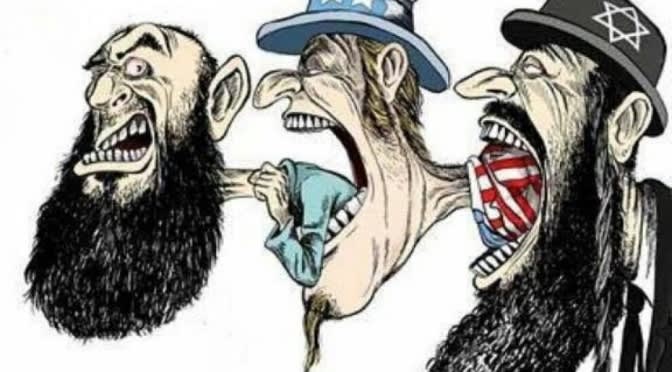
The Dogs of Hell: http://takfiritaliban.blogspot.com/2017/03/dogs-of-hell.html

http://takfiritaliban.blogspot.com/2017/02/terrorism-linked-with-wahabi-salfi.html

Related :

Jihad, Extremism

    Wednesday, October 5, 2016

    Radical Salafism: Osama's ideology By Bernard Haykel


    Image result for radical salafist ideology

    Radical Salafism is the ideology of Osama bin Laden's al-Qaeda organization. Its particular world view can be understood by looking at the roots of this ideology in Islamic intellectual history and by realizing that its teachings have been marginal to and opposed by mainstream Islamic thought.

    Muslims in the modern period are either Sunni (90%) or Shi'iah (10%). The distinction pertains to a dispute over the spiritual and political leadership of the Muslim community after the death of Prophet Mohammad (PBUH). In matters of politics, two principles are strongly identified with the Sunnis:

    1) they are loath to declare fellow Muslims infidels, a practice called takfir;

    2) they prohibit war against Muslim rulers, however tyrannical these may be, so long as Islam remains the religion of state and Islamic law is enforced. Sunnis argue that adherence to these two principles is crucial in order to maintain social order and to avoid warfare amongst Muslims which might lead to the demise of Islam itself.

    Osama bin Laden and his followers are Sunni Muslims of the Salafi branch. Salafism is a minoritarian tendency within Islam that dates back to the 9th century - under the name of Ahl al-Hadith - and whose central features were crystallized in the teachings of a 14th century Islamic scholar, Taqi al-Din Ahmad Ibn Taymiyya (d. 1328). Ibn Taymiyya's importance lies in that he was willing to hereticize fellow Muslims who did not share his views and, more important, he declared permissible war against Muslims rulers who did not apply the Shari'ah (he advocated war against the Mongols who had declared themselves to be Muslims but did not apply Islamic law).

    Salafism's hallmark is a call to modern Muslims to revert to the pure Islam of the Prophet Muhammad's generation and the two generations that followed his. Muslims of this early period are referred to as al-Salaf al-Salih (the pious forefathers) whence the name Salafi. Salafism's message is utopian, its adherents seeking to transform completely the Muslim community and to ensure that Islam, as a system of belief and governance, should eventually dominate the globe.

    Salafis are not against technological progress nor its fruits; they do, however, abhor all innovations in belief and practice that are not anchored in their conception of the pristine Islamic age. They refer to such reprehensible innovations as Bid'a, a term of deligitimization in Islamic law or the Shari'ah.

    According to the Salafis, Muslims can only be certain that they are not practising reprehensible innovations if they adhere to a strictly literal interpretation of the sources of revelation, and those are the Qur'an and the Sunna (the Sunna is the practice of Prophet Mohammad and can be found exclusively in the canonical collections of accounts of his sayings and doings (hadith)). Salafis claim to be the only Muslims capable of providing this literal interpretation; all other Muslims would therefore be - to a lesser or greater extent - deviant innovators.

    Another salient feature of Salafism is an obsession with God's oneness while condemning all forms of polytheism (shirk) and unbelief (kufr). Certain Sufi practices (Sufis are mystics of Islam), such as visiting the graves of great Sufi masters, are condemned by the Salafis as diminishing true belief in Allah. The world, according to the Salafis, is unequivocally divided between the domains of belief (iman) and unbelief, and it is incumbent on Muslims to be certain that they remain in the domain of belief.

    This they can do only if they are Salafis. Nothing less than eternal salvation is at stake. The Salafi world view is rigid and Manichaean. In its radical form Salafism leads to the practice of takfir. This is exactly what Osama bin Laden did in his November 4 statement: Muslims who are not with him are, by definition, infidels.

    The mantle of Ibn Taymiyya's teachings was most famously taken up by a movement in central Arabia in the 18th century. Known to its enemies as the Wahhabi movement,  whose adherents called themselves the Muwahhidun (The believers in the oneness of God). The Wahhabi's had a powerful reformist message and were able to galvanize the tribes of central Arabia into a powerful military period.

    So great was their zeal to focus all the belief and religious practices of fellow Muslims on God alone, that the Wahhabis destroyed in 1805 tombs in Medina, including a failed attempt at destroying the cupola over the tomb of Prophet Muhammad.

    Such excesses, including the declaration of fellow Muslims to be infidels whose blood could be shed, horrified the wider Muslim world leading the Ottoman Sultan to send an Egyptian military force and destroy the fledgling Wahhabi state. This was accomplished in 1818. The example the Wahhabi sect, however, left an indelible mark on the world of Islam and the like-minded would look to their experience as a model to be emulated.

    King Abd al-Aziz ibn Sa'ud, commonly known as Ibn Sa'ud, the founder of the present Saudi kingdom, based his rule and conquests on Salafi doctrine, and this remains the ideology of Saudi Arabia today. But Ibn Sa'ud realized quickly that embedded in this ideology was the potential for radical extremism and he vanquished militarily his own radicals, otherwise known as the Ikhwan, in 1930.

    The radical Salafis raised their heads again in November 1979 when one of their leaders, Juhayman al-Utaybi, led a revolt in Makkah that seized control of the Great Mosque for two weeks. As they had done in 1930, the Saudi authorities attacked al-Utaybi and his followers, killing every last one in a bloody battle in the Makkan sanctuary.

    However, it is important to know two features that distinguish the official Salafism of the Saudi kingdom from the teachings of these radical Salafis. The Saudis believe that: 1) war against an Islamic ruler is not permitted, and 2) declaring fellow Muslims to be infidels is also not permitted. For this reason, the Saudi minister of Islamic Affairs stated on October 19, in the aftermath of the WTC attacks, that "obedience to Islamic rulers is obligatory for Muslims."

    A principal reason radical Salafis like Osama bin Laden advocate violence against the Saudi state and the United States relates to the presence of US troops on Saudi soil. By permitting this, Osama says the Saudis are no longer adhering to Islamic law and consequently war against them is permissible. Osama bin Laden bases his claim about the illegality of the presence of US troops on a statement of Prophet Mohammad in which the Prophet says: "Expel the polytheists from the Arabian peninsula."

    Literally understood, the injunction is clear. Non-Salafis, i.e., the vast majority of Muslims, disagree with Osama's judgement. The non-Salafis counter with another statement of the Prophet in which he says: "Expel the Jews of Hijaz from the peninsula of the Arabs." The reference to the Jews is to be read as a synecdoche  (for non-Muslims: Hijaz is a region of Arabia and this second Prophetic statement narrows the more general first statement. In other words, non-Muslims are permitted to reside in Arabia, but not in Hijaz, the region of the twin sanctuaries of Makkah and Medina.)

    Such differences in abstruse legal opinions, however, do not explain Osama bin Laden's massive appeal among Muslims today. It is his genius at manipulating images and symbols, as well as his ability to tap into a wellspring of legitimate Muslim and Arab resentment of US foreign policies, that explains his success. Muslims live under the yoke of authoritarian regimes - regimes that have succeeded in destroying the fabric of traditional Muslim education and networks of knowledge and socialization.

    Most Muslims therefore do not appreciate or understand legal arguments like the one stated above. What Muslims react to enthusiastically is Osama's role as a leader and symbol of Muslim resistance to domestic and western oppression. This reaction is fuelled by a century of arguments promoted by the Arab regimes that all the problems of the Arab and Muslim worlds are due to foreign intrigue, and are not because of any policies or actions of the Arab and Muslim leaders themselves. This reasoning explains, for example, the eagerness with which so many Arabs and Muslims have accepted the conspiratorial theories that the attacks of September 11 were the work of Jews and Zionists.

    Thus far, moderate Sunni Muslims have been reluctant to condemn Osama bin Laden in light of the events of September 11. This is a consequence of the quiescent political culture Sunnis subscribe to: pointing fingers at fellow believers might lead to a state of chaotic disorder they fear most. Moreover, the present conflict involves unbelievers and Muslims prefer not to air their differences in public. Another reason for this conspicuous silence is that moderates feel the evidence Osama bin Laden in the attacks has not been provided by the US government.

    Finally, the fear of violent retaliation by the radical Salafis has kept many silent. Moderate Muslims, many of whom have been and continue to be oppressed by Arab and Muslim governments, do exist and must be encouraged to take centre stage. We can take heart from the fact that most Muslims have not heeded Osama's call to kill innocent Americans wherever and whenever they find them.

    In short, the battle being waged today is at heart an internal Islamic one and may take a very long time to end. It is part of a larger battle about the very nature of Islamic society and politics, and one in which there are many sides (moderate Muslims, state-sponsored Muslims, radical and moderate Salafis, secular nationalists, and Shi'ah

    The writer teaches Islamic law at New York University
      
    Copyright Notice
    This article is copyright 2001 DAWN, and may be redistributed provided that the article remains intact, with this copyright message clearly visible. This article may not under any circumstances be resold or redistributed for compensation of any kind without prior written permission from DAWN. If you have any questions about these terms, or would like information about licensing materials from DAWN, please contact us via telephone: +92 (21) 111-444-777, +92 (21) 567-0001 or email: webmaster@dawn.com

    DAWN is located on the World Wide Web at http://dawn.com

    This entire Website including all its contents, graphical images and other elements are the intellectual property of the Pakistan Herald Publications Ltd. (P.H.P.L.) - publishers of the DAWN newspaper.

    This site is for use by individuals and may not be used for any commercial purposes. No part of this site may be redistributed or otherwise published without written consent of P.H.P.L.


    Manichaen: a believer in religious or philosophical dualism
    the vast majority: i.e. of the entire Muslim population, Salafi's comprise less than 1% of them

    synecdoche: a figure of speech by which a part is put for the whole (as fifty sail for fifty ships), the whole for a part (as society for high society), the species for the genus (as cutthroat for assassin), the genus for the species (as a creature for a man), or the name of the material for the thing made (as boards for stage)

    "massive" (sic). We hardly think bin Laden has "massive" appeal. We disagree with the author here. 

    Related :

    Jihad, Extremism