Featured Post

National Narrative Against Terrorism دہشت گردی کے خلاف قومی بیانیہ تاریخی فتویٰ ’’پیغام پاکستان‘‘

National Narrative Against Terrorism دہشت گردی کے خلاف قومی بیانیہ تاریخی فتویٰ ’’پیغام پاکستان‘‘ تمام مسالک ک...

Monday, August 27, 2018

Global Terrorism - عالمی دھشتگردی


There is no commonly accepted definition of "terrorism". Being a charged term, with the connotation of something "morally wrong", it is often used, both by governments and non-state groups, to abuse or denounce opposing groups. Broad categories of political organisations have been claimed to have been involved in terrorism to further their objectives, including right-wing and left-wing political organisations, nationalist groups, religious groups, revolutionaries and ruling governments. Terrorism-related legislation has been adopted in various states, regarding "terrorism" as a crime. There is no universal agreement as to whether or not "terrorism", in some definition, should be regarded as a war crime.
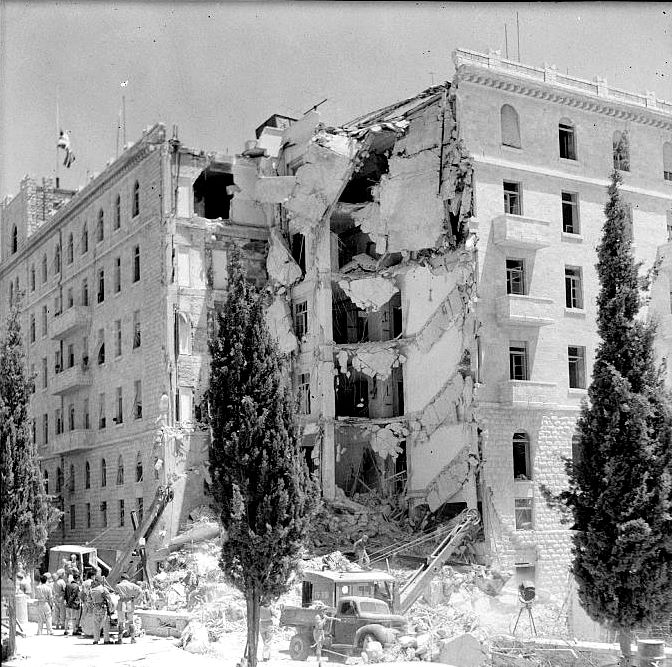


The present wave of terrorism can  be traced form destruction of King David Hotel in Palestine by Zionist terrorists. The King David Hotel bombing was a terrorist attack carried out on Monday, July 22, 1946, by the militant right-wing Zionist underground organization the Irgun on the British administrative headquarters for Palestine, which was housed in the southern wing of the King David Hotel in Jerusalem. 91 people of various nationalities were killed, and 46 were injured. [........]. The Palestine was colonised and they started freedom struggle only to be termed terrorists? Similarly the Kashmiri resistance under Indian occupation, Afghans by Russia and now US are called terrorists. The state terrorism by the occupation forces is ignored.

How Zionist terrorism determined Palestine's fate | The Electronic ...


https://electronicintifada.net/content/how-zionist-terrorism-determined...fate/19871

Mar 15, 2017 - Zionist terrorism aimed to prevent Palestinian Arabs from exercising ... attacks, which escalated following the end of the Second World War, ...

Irgun - Wikipedia


https://en.wikipedia.org/wiki/Irgun


The Irgun was a Zionist paramilitary organization that operated in Mandate Palestine between ... The Irgun has been viewed as a terrorist organization or organization which carried out terrorist acts. ... The Irgun disagreed with the policy of the Yishuv and with the World Zionist Organization, both with regard to strategy and ...
The present wave of terror, dire threat to world peace can be traced to the Zionism and the US imperialism, with the defeat of USSR in Afghanistan through Taliban,[CIA creation] who were abandoned, which resulted in creation of various groups for establishment of Islamic Caliphate in Afghanistan, Pakistan, Middle East [Al-Qaida,ISIS/Daesh, BOKO Haram in Nigeria and elsewhere]. These so called groups help to destroy Iraq and Syria, Libya and thus Israel emerging as sole regional power with no threat.  Millions of people [majority Muslims lost their lives]
Statistics: https://ourworldindata.org/terrorism

A search of terrorist organizations will give a list of Muslim Terrorist Organizations, whereas there are Christian, Zionist, Hindu, Buddhist and others terrorist organizations in large numbers not mentioned. Terrorism is not a Muslim monopoly!

Read: Islamic Extremism is a Product of Western Imperialism


The Zionist movement has maintained a striking continuity in its aims and methods over the past century. From the start, the movement sought to achieve a Jewish majority in Palestine and to establish a Jewish state on as much of the LAND as possible. The methods included promoting both mass Jewish immigration and acquiring tracts of land that would become the inalienable property of the Jewish people. This policy inevitably prevented the indigenous Arab residents from attaining their national goals and establishing a Palestinian state. It also necessitated displacing Palestinians from their lands and jobs when their presence conflicted with Zionist interests.Keep reading [.....]


Terrorism is, in the broadest sense, the use of intentionally indiscriminate violence as a means to create terror among masses of people; or fear to achieve a financial, political, religious or ideological aim. It is used in this regard primarily to refer to violence against peacetime targets or in war against non-combatants. The terms "terrorist" and "terrorism" originated during the French Revolution of the late 18th century but gained mainstream popularity during the U.S. presidency of Ronald Reagan (1981–89) after the 1983 Beirut barracks bombings and again after the 2001 September 11 attacks and the 2002 Bali bombings.

According to the Global Terrorism Database by the University of Maryland, College Park, more than 61,000 incidents of non-state terrorism, resulting in at least 140,000 deaths, have been recorded from 2000 to 2014. [https://en.wikipedia.org/wiki/Terrorism]

In the present environment of universal turmoil especially in the post 911 scenario, the Muslims have become a target of universal hate propaganda. Some verses from Qur’an are mostly misquoted to defend killing of non believers and to project a permanent state of armed conflict (Jihad) between Muslims and non believers. The ignorant terrorists thus facilitate the anti Muslim lobbies to propagate and project all Muslims as intolerant, war mongers and terrorists. Even some ignorant Muslims also fall pray to this fallacy. It is important that the misconceptions are removed by understanding the concept of Jihad in the light of Qur’an and Sunnah. ... Keep reading ... [........]


Indian Muslims are the 3rd largest Muslim population anywhere in the world, after Indonesia and Pakistan. Muslims in India form the largest religious minority in the country. According to the 2011 Census, they comprise 14.4 per cent of India’s total population — roughly 174 million people. . In that sense, then, Indian Muslims certainly are a minority, particularly when one considers the growing influence of Hindu right-wing forces since the 1980s. They are constant target of Hindu Extremists and terrorists .... Keep reading ...[.......]

Kashmir, a Muslim majority state is illegally occupied by India since partition in 1947. They were promised a plebiscite under UN in 1948 but India has denied them this right... they are struggling for freedom and Indian military is committing atrocities against population, the state terrorism .... keep reading .... [........] 

Global Terrorism Database - START.umd.edu - University of Maryland

https://www.start.umd.edu/gtd/

The Global Terrorism Database (GTD) is an open-source database including information on terrorist events around the world from 1970 through 2017 (with ...


National Narrative Against Terrorism دہشت گردی کے خلاف قومی بیانیہ تاریخی فتویٰ ’’پیغام پاکستان‘‘ .......


Related :

Jihad, Extremism.... [........]

Buddhist Terrorism


    The Terror Organizations list include mostly Muslims , whereas there are many Terrorist groups among Christians, Buddhists, Hindus, Jews and others...

    Terrorism can be eliminated by resolving the major world issues like Palestine, Kashmir and others with justice, granting human rights and freedom to the people in Afghanistan, Myanmar (Rohingya) Syria, Yemen etc and stop colonization, exploitation in any shape or form ...
    --------------------

    Pakistan Responds to Terrorism, Through Message of Peace via National Counter Terrorism Narrative: 

    Sunday, August 12, 2018

    The security policy challenge

    To counter terrorism, the PTI promises a four-fold strategy comprising the four ‘E’s’: the first component is ‘exposing’ the links between active and passive terrorists and winning over the latter; the second component is about ‘enforcing’ the National Action Plan (NAP) as well as Pakistan’s international treaty/convention commitments on counterterrorism; the third seeks to ‘eliminate’ hardcore terrorists; and the fourth calls for ‘educating’ people by developing a counter-ideological narrative on terrorism۔۔۔۔keep reading
    https://www.dawn.com/news/1426517

    Friday, February 2, 2018

    کفار کی مدد کی چند صورتیں اور ان کے احکام


      Muslim – Non Muslim Relations – مسلمانوں اور غیر مسلمانوں کے تعلقات

      Tuesday, December 12, 2017

      اسلامی فوجی اتحاد اور دہشت گردی کے خلاف مکمل جنگ کی ضرورت

      مصر کے صوبے شمالی سیناء میں العریش کے نزدیک ایک مسجد پر دہشت گردوں کا حملہ گذشتہ ہفتے الریاض میں دہشت گردی مخالف اسلامی فوجی اتحاد کے وزرائے دفاع کے اجلاس کا سب سے نمایاں موضوع رہا ہے۔
      سعودی ولی عہد شہزادہ محمد بن سلمان نے وزرائے دفاع کے اجلاس سے خطاب کرتےہوئے دو نکات پر زوردیا: اتحاد کے اکتالیس رکن ممالک کے درمیان روابط کا فروغ اور اسلام کے تشخص کو سخت گیروں کے ہاتھوں داغ دار ہونے سے بچانا۔اس اجلاس کا مرکزی موضوع تو دہشت گردی سے نمٹنے کے لیے عسکری اور سراغرسانی کے شعبوں میں تعاون اور ہر جگہ دہشت گردی کا تعاقب تھا۔ سعودی ولی عہد نے اس عزم کا اظہار کیا تھا کہ روئے زمین سے دہشت گردوں کا مکمل استیصال کیا جائے گا۔
      یہ وزارتی اجلاس اپنے نتائج کے اعتبار سے بہت اہمیت کا حامل رہا ہے۔2015ء کے آخر میں تشکیل پانے والے عسکری اتحاد نے باضابطہ طور پر تنظیمی اور عملی بنیادوں پر کام کا آغاز کردیا ہے اور اس کے اثرات ہم آنے والے دنوں میں دیکھیں گے۔
      اس وقت معاشروں کو لاحق مختلف روگوں میں سے دہشت گردی سب سے بد ترین ہے۔اس کے علاوہ غُربت ، قحط اور دیگر مختلف امراض لاحق ہیں لیکن دہشت گردی ایک ایسا بنیادی خطرہ ہے جس طرح کی کوئی اور ہلاکت آفریں آفت ہوسکتی ہے۔ہم کوئی نصف صدی تک خونیں دہشت گردی کی بات کرتے رہے ہیں لیکن اب دانشورانہ ، ثقافتی اور تعلیمی سطح پر حکمت عملیوں پر غور کیا جارہا ہے کہ ہم کیسے دہشت گردی کی اس لعنت کا مقابلہ کرسکتے ہیں اور اس سے بچ سکتے ہیں لیکن اس سمت میں ابھی تک حکومتی اور ادارہ جاتی سطح پر کام نہیں ہوا ہے۔
      دنیا کے ممالک کی حکومتیں برسوں سے دہشت گردی کا مقابلہ سکیورٹی اور سراغرسانی کے شعبوں میں کام کے ذریعے کرتی چلی آرہی ہیں مگر وہ ایک سیل کا قلع قمع کرتی ہیں تو دوسرا دوستانہ ماحول میں سر اٹھا لیتا ہے۔دہشت گردوں کے سیل ختم کرنے والا فوجی ادارہ بھی دراصل وہی فریق ہے جو اُن نرسریوں کا تحفظ کرتا ہے جو سرکاری تعلیمی اداروں اور مذہبی اداروں میں ان سیلوں کی آبیاری کرتی ہیں۔یہ ایک ایسی سچائی ہے جس کا دلیری سے مقابلہ کیا جانا چاہیے تاکہ اسی سوراخ سے بار بار ڈسنے سے بچا جاسکے اور جہاں سے پہلے ڈنک کھایا جاتا ہےوہاں دوبارہ ہاتھ نہ رکھا جائے اور العریش کی طرح کے قتل عام کے واقعے کا دوبارہ اعادہ نہ ہو ۔مصر میں نمازیوں کے قتل عام کے اس ہولناک واقعے نے دہشت گردی سے نمٹنے کے لیے پرانی حکمت عملی سے متعلق بہت سے سوالات کو جنم دیا ہے ۔

      مہلک فتوے

      دہشت گردی کے مہلک فتووں کے ا جرا کا سلسلہ جاری ہے ۔انتہا پسند مفتی مختلف پلیٹ فارمز سے نمودار ہوتے ہیں اور لوگ سے خطاب کرتے ہیں۔مسلم علماء کی بین الاقوامی یونین کو جرائم آلود کیا جانا اس ضمن میں بڑی اہمیت کا حامل ہے۔بعض دانش مند لوگوں نے اس یونین کے خطرناک کردار کا ادراک کر لیا تھا اور انھوں نے قبل ازوقت ہی اس کو خیرباد کہہ دیا تھا۔ان میں شیخ عبداللہ بن بیاہ اور بعض دوسرے علماء شامل ہیں۔
      اس یونین کا کردار ابھی تک مشتبہ ہے۔اس نے تباہ کن فتاویٰ جارے کیے ہیں جن سے دہشت گردوں کو غیر مسلح شہریوں کو موت کی نیند سلانے کے اجازت نامے مل گئے تھے۔جب اس یونین کے سربراہ یوسف القرضاوی سے ایک ٹیلی ویژن انٹرویو کے دوران میں خود کش بم دھماکوں کے بارے میں سوال پوچھا گیا تو انھوں نے اس کا جواب کچھ یوں دیا تھا:’’اس کا انحصار افراد نہیں بلکہ گروپ پر ہے‘‘۔ انھوں نے گروپ کے فیصلے کی اہمیت پر زوردیا تھا اور کہا تھا کہ یہ فیصلہ افراد کے بجائے گروپ کے مفادات پر مبنی ہونا چاہیے۔
      اب سوال یہ ہے کہ کیا یہ فتوے اسی طرح کسی روک ٹوک یا پابندی کے بغیر جاری ہوتے رہیں گے؟
      1951ء میں مفکر ایرک ہوفر نے اپنی مشہور کتاب ’’ حقیقی معتقد‘‘ شائع کی تھی۔مسلح اسلامی گروپوں کے ظہور سے قبل انھوں نے انتہا پسند وں کی نفسیاتی حالت کے بارے میں گفتگو کی تھی اور یہ انتہا پسند اپنے لیے مرنے کی سوچ اور عقیدہ رکھتے تھے۔انھوں نے یوسف القرضاوی کے گروپ اور افراد کے بارے میں بیانات پر بھی گفتگو کی ہے۔
      ہوفر لکھتے ہیں:’’ ایک فرد کو اپنی جان قربان کرنے کے لیے تیار کرنے کی غرض سے اس کو ذاتی شناخت سے محروم کردیا جائے۔اس کو جارج ہانس ، ایفان اور تداؤ بنا دیا جائے ۔ یعنی ایک انسانی ایٹم ، جس کا وجود پیدائش اور موت سے جڑا ہوا ہے۔ اس نتیجے کو حاصل کرنے کا سب سے انتہا پسندانہ طریق یہ ہے کہ فرد کو ایک اجتماعی جسم میں ضم کردیا جائے۔ اس طرح کا مکمل مجذوب شخص خود کو اور دوسروں کو انسان ہی نہیں سمجھتا ہے۔اس سے جب یہ سوال کیا جاتا ہے کہ وہ کون ہے؟ تو اس کا رٹا رٹایا خود کار جواب یہ ہوتا ہے کہ وہ ایک جرمن ، روسی ، جاپانی ، عیسائی اور مسلمان ہے اور وہ ایک خاص قبیلے یا خاندان کا فرد ہے۔اس کا اجتماعی جسم کے سوا کوئی انفرادی مقصد یا منزل نہیں ہوتی ہے۔جب تک یہ جسم زندہ رہتا ہے تو وہ مر نہیں سکتا ہے۔ایک احساس ملکیت سے عاری شخص کے لیے محض سادہ زندگی کوئی قدرو قیمت نہیں رکھتی ہے‘‘۔

      نفسیاتی تجزیہ

      یہی وہ طریقہ ہے جس کے ذریعے افراد ان کے گروپ میں ڈھل جاتے ہیں اور وہ ایک ایسی ڈھال بن جاتے ہیں جس کو دوسرے اپنے طے شدہ مقاصد کے لیے استعمال کرتے ہیں۔حتیٰ کہ وہ خود کو دوسرے لوگوں کے درمیان دھماکوں سے اڑا دیتے ہیں۔انتہا پسندوں کو ایک اہم مسئلہ یہ درپیش ہے کہ ان کی نمائندگی اعتدال پسند کرتے ہیں۔
      قرآن اور تلوار کے موضوع پر جزیرہ نما عرب میں القاعدہ کے لیڈر یوسف العائری کا لیکچر ہوفر کے پیش کردہ نفسیاتی تجزیے کی ایک مثال ہے۔
      ہوفر اپنی کتاب میں مزید لکھتے ہیں :’’ ایک حقیقی پیروکار کی اصل صلاحیت یہ ہے کہ وہ اپنی آنکھیں اور کان بند رکھے تاکہ وہ ان حقائق کو سن اور دیکھ نہ سکے جو اس کی غیر ثانی وفاداری اور مضبوطی کا ذریعہ ہیں۔اس کو خطرے سے ڈرایا جاسکتا ہے اور نہ رکاوٹوں سے اس کا دل چھوٹا کیا جاسکتا ہے اور نہ تضادات سے اس کو مخمصے کا شکار کیا جاسکتا ہے کیونکہ وہ ان کے وجود سے انکاری ہوتا ہے۔عقیدے کی مضبوطی ،جیسا کہ برگساں نے نشان دہی کی ہے،پہاڑ کے حرکت پذیر ہونے سے ظاہر نہیں ہوتی ہے بلکہ پہاڑ کو حرکت کرتا ہوا نہ دیکھنے سے ظاہر ہوتی ہے۔
      اسلامی عسکری اتحاد نے دہشت گردی کے خلاف جنگ کے لیے جو ویژن پیش کیا ہے، وہ امیدافزا ہے۔بالخصوص اس تناظر میں بھی جب ہم دانش ورانہ اور نظری سطحوں پر دہشت گردی کو شکست دینے میں ناکام رہے ہیں۔ہم میں خونریزی اور ہلاکتوں کے بارے میں تو کافی حساسیت پائی جاتی ہے اور ہم تجزیوں اور وضاحتوں سے بھی تھک ہار چکے ہیں۔
      اب وقت آگیا ہے کہ حکومتیں دہشت گردی کو جڑ سے اکھاڑ پھینکیں ، مختلف پلیٹ فارموں اور پوڈیمز کو صاف کریں، دہشت گردوں کی کمین گاہوں اور خفیہ ٹھکانوں کو نشانہ بنائیں اور تعلیم کو ایلیمنٹری سے اعلیٰ سطح تک از سر نو استوار کریں۔اس کے لیے بہت سی کوششیں درکار ہوں گی لیکن اتحاد کے رکن اکتالیس ممالک کے لیے اجتماعی طور پر یہ کوئی مشکل کام نہیں ہے۔ جب یہ سب کام ہوجائے گا تو پھر ہی ہم یہ امید کرسکیں گے کہ اب ایسے قتل عام کا اعادہ نہیں ہوگا جس میں بے گناہ لوگوں کو موت کی نیند سلا دیا جاتا ہے۔ ہمیں دہشت گردی کے خلاف ایک مکمل جنگ کی ضرورت ہے۔
      پال ڈوموشیل اپنی کتاب ’’ دا بیرن سیکریفائس‘‘ ( بنجر قربانی) میں لکھتے ہیں: ’’تشدد کو افراد کی جانب سے بڑھائے جانے والے تنازعات اور مقابلوں میں مدغم کیا جاسکتا ہے۔ یہی وجہ ہے کہ جتنا یہ دوسروں کو اپنی جانب راغب کرتا ہے،اتنا ہی اس کو پیچھے دھکیل دیا جاتا ہے ،جتنی اس میں چکا چوند ہوتی ہے،اتنی اس میں تشویش بھی پنہاں ہوتی ہے‘‘۔
      ۔۔۔۔۔۔۔۔۔۔۔۔۔۔۔۔
      فہد سلیمان الشقیران ایک سعودی لکھاری اور محقق ہیں۔ وہ الریاض فلاسفر گروپ کے بانی سربراہ ہیں۔ان کی تحریریں العربیہ ڈاٹ نیٹ اور پان عرب اخبار الشر ق الاوسط میں شائع ہوتی رہتی ہیں۔

      Related :

      Jihad, Extremism

        Sunday, June 18, 2017

        Conquering minds


        FREED from Al Qaeda in 2001, the Tora Bora caves and the tunnels in Afghanistan have now fallen to violent extremists linked to the militant Islamic State (IS) group. This strategic ‘victory’ for the terrorist group came after the US dropped the so-called mother of all bombs in April on its hideouts, a network of tunnels in Afghanistan.

        The IS march in Afghanistan has once again proved that finding new physical spaces is not a major issue for the terrorists; many conflict-ridden, ungoverned, and poorly administered territories are available — from the sub-Saharan region to the tribal areas in the Arabian Peninsula, from the bordering region between Afghanistan and Pakistan to the Philippines.

        As the terrorists continue to mount threats to physical security, the response is also expected to remain focused on employing greater force. This is also making it more challenging for Muslim power elites to take on the terrorists in their ideological and intellectual spaces. The Trump administration’s renewed focus on hard approaches to countering terrorism could provide these elites with more excuses to continue living in their mental comfort zones.

        Ironically, the claimants of Muslims’ religious leadership, Saudi Arabia and Iran, are accusing each other of supporting terrorism. However, the Saudi and Iranian counterterrorism mantras and alliances are nothing more than efforts to secure their own petty political and strategic interests — at the cost of the lives of those these two countries claim to lead.

        The IS is a manifestation of the intellectual bankruptcy of the Muslim ruling elites.

        Their actions are not only bringing trouble to themselves but are also fuelling sectarian tensions in Muslim societies and polarising Muslim-majority nations by forcing them to choose sides. This is an appalling situation, mainly for many Muslim states including Pakistan, which are struggling to adjust to the strategic and economic meltdown in the Middle East.

        The IS is a manifestation of the intellectual bankruptcy of the Muslim ruling elites. The real challenge thus is not the expansion of the group in physical spaces, but the mindset of the ruling elites and their partners, ie the clergy, which is scared of new ideas. They don’t realise that their traditionalism and orthodoxy are eroding their own foundations.

        The need to evolve intellectual responses for countering extremism notwithstanding, a review of collective wisdom and its expressions is also important, mainly to measure a nation’s level of resilience and maturity. Parliament is the true representative of the collective wisdom of Pakistanis. It has recently suggested a neutral role for Pakistan in the Middle East crisis. Similar parliamentary advice came on the Yemen crisis. The policymakers and media of both Saudi Arabia and UAE criticised this stance.

        A statement circulating on social media, attributed to a top Saudi official, that criticised Pakistani neutrality and parliament, should not be surprising because many believe that our Arab brothers are not interested in Pakistan’s democratic credentials, but in the country’s military power.

        Let’s not forget that when parliament took a neutral position on Yemen, the UAE tried to punish Pakistan through developing a strategic partnership with India, although it knew that India could not support their misadventure in Yemen.

        Many opinion makers in Arab countries also accused Pakistan for ‘using’ parliament as an excuse to not send its troops for military adventures. Though in that case parliament proved a blessing for the establishment, the maturity it has shown over the issue is commendable. However, the actual challenge for parliament is to build intellectual and policy capital.

        One can debate the capacity of parliamentarians and the government’s somewhat indifferent attitude towards parliament, but this is still the institution which is keeping the country cohesive. This is the institution which should address the issue of extremism and the IS in our minds.

        Parliament can take the lead in nurturing the process of inclusive nation-building, by initiating debates on the extent to which diversity has been dissipated by policies of the past and incorporating the voices of different groups in the country. Parliament can draw an outline of a fresh national narrative. It can engage with all departments or institutions of the government, informing them of the consequences of their actions on social diversity.

        An active and effective parliament can fill the spaces which exist in our thoughts and that are exploited by multiple ideological players including the IS. It is recognised that terrorist groups are more afraid of non-violent, soft measures than hard measures. They exploit hard measures by pushing the narrative of the ‘victimhood of Islamic forces’ to justify both their existence and their violent acts. Their reaction is stronger if someone challenges their narrative; be it religious scholars, the media or opinion makers. There are plenty of examples available that they hit hard those who challenge their arguments.

        The content analysis of any militant publication would be helpful to understand the ideological paraphernalia of a terrorist group. For example, an old issue of Ahya-i-Khilafat (Revival of the Caliphate), a mouthpiece of the Tehreek-i-Taliban Pakistan, consisted of 15 articles including an interview with its leader and profile of a leading commander. Four articles were dedicated to their operations and so-called successes, two were against secularism, two detailed articles were meant to elaborate and glorify the caliphate system; but four articles were allocated to build their case against democracy and parliament. One article titled ‘I am a constitutional man’ was a satire on religious political leaders, ie what did it mean (for the militants) in religious terms when these leaders said they believed in a constitutional democracy.

        Parliament is a target of non-state actors and our Arab friends are also not happy with the institution on different grounds. One is not sure whether or not our parliamentarians know their importance and the role they have to play in developing a moderate and inclusive Pakistan. If parliament fails, it will fail the nation.

        Conquering minds: by Muhammad Amir Rana, The writer is a security analyst.
        https://www.dawn.com/news/1340229/conquering-minds
        ..........................................
        Terrorism is, in its broadest sense, the use of intentionally indiscriminate violence (terror or fear) in order to achieve a political, religious, or ideological aim. It is classified as fourth-generation warfare and as a violent crime. In modern times, terrorism is considered a major threat to society and therefore illegal under anti-terrorism laws in most jurisdictions[citation needed]. It is also considered a war crime under the laws of war when used to target non-combatants, such as civilians, neutral military personnel, or enemy prisoners of war. Keep reading >>>.

        This recent tirade of radical 'Islamist violence' (which I define as a hybrid between theological and political aggression by Islamic entities) against a predominantly Muslim target pool, as opposed to 'culturally diametric' Western societies, has baffled many. As always, the counter-narrative on social media has been fierce and relentless, and quite diversified in the least. The last week saw Facebook and Twitter feeds turn into sordid carousels of tummy-tickling memes about fused-out politicians and gut wrenching images of bloodied bodies at the same time.
        Unsurprisingly, the dramatic show of violence against innocents has regurgitated two interlinked pop-culture narratives (or perhaps 'counter-narratives') that have found strong currency in the past as 'valid counters to Islamophobia' – "terrorism has no religion”; and "these are not Muslims, they are psychopaths/criminals”. While they serve to immediately offset wholesale, irrational hatred against the global Muslim community after attacks by Islamist aggressors, the arguments are massively untenable in their own right.
        Islamophobic monologues are generally premised upon a superficial understanding of terrorism, but what worries me is that the above counter-narrative too is a rabbit in rhino's skin. Is this 'pop culture' discourse against Islamist terrorism (and the resultant cultural hatred) a propagation of the same old reductive public discourse that is devoid of nuance and heavy on emotions? >>>>
        http://peace-forum.blogspot.com/2016/07/understanding-terrorism-religion-socio.html


        Counter-terrorism (also spelled counterterrorism) (also called anti-terrorism) incorporates the practice, military tactics, techniques, and strategy that government, military, law enforcement, business, and intelligence agencies use to combat or prevent terrorism. Counter-terrorism strategies include attempts to counter financing of terrorism.

        If terrorism is part of a broader insurgency, counter-terrorism may employ counter-insurgency measures. The United States Armed Forces use the term foreign internal defense for programs that support other countries in attempts to suppress insurgency, lawlessness, or subversion or to reduce the conditions under which these threats to security may develop >>>.

        “THIS is a war of narratives ... there is a dire need to come up with counter-narratives ... the menace of terrorism cannot be dealt with without countering the extremist, militant ideologies.”  >>>>>

        Related :